EN


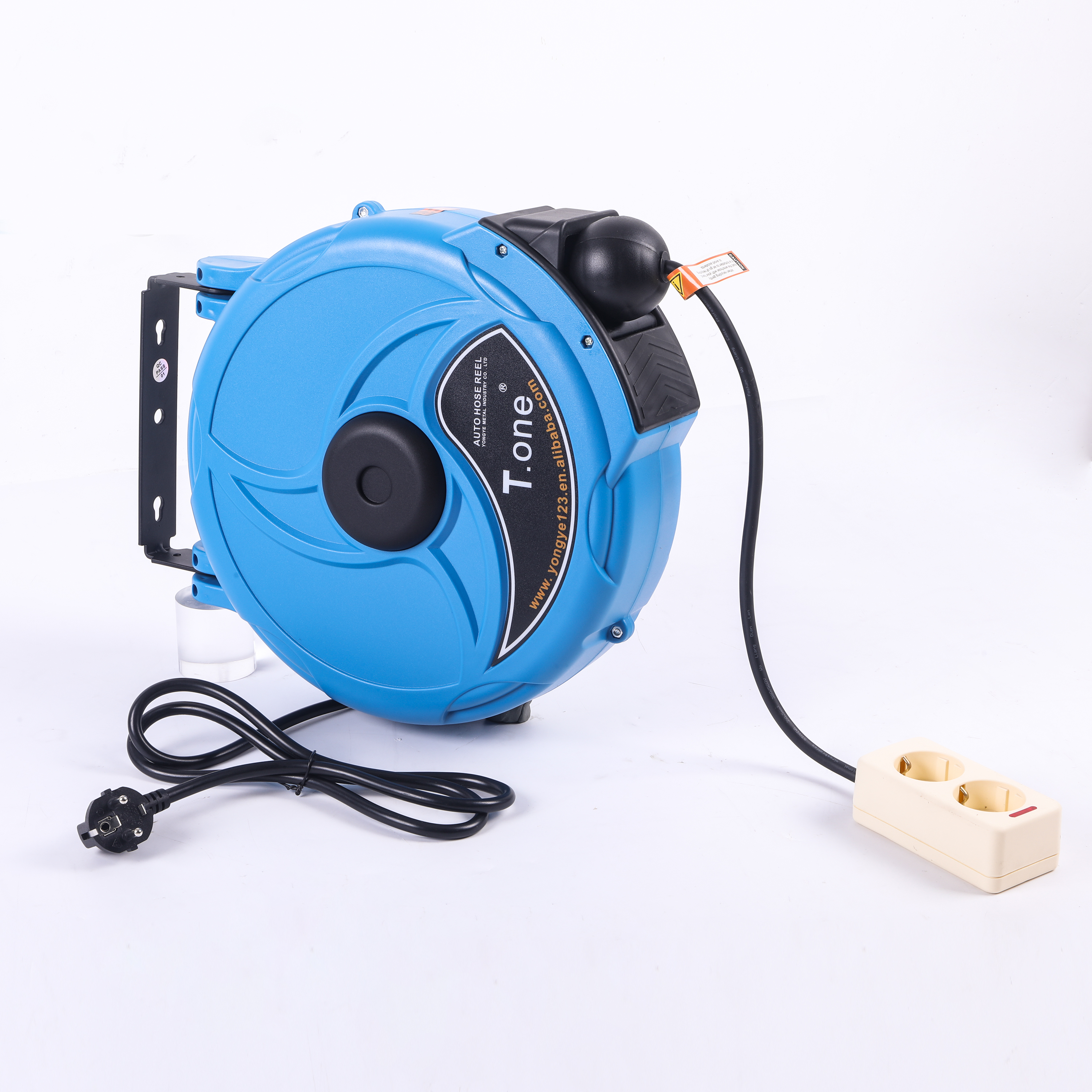
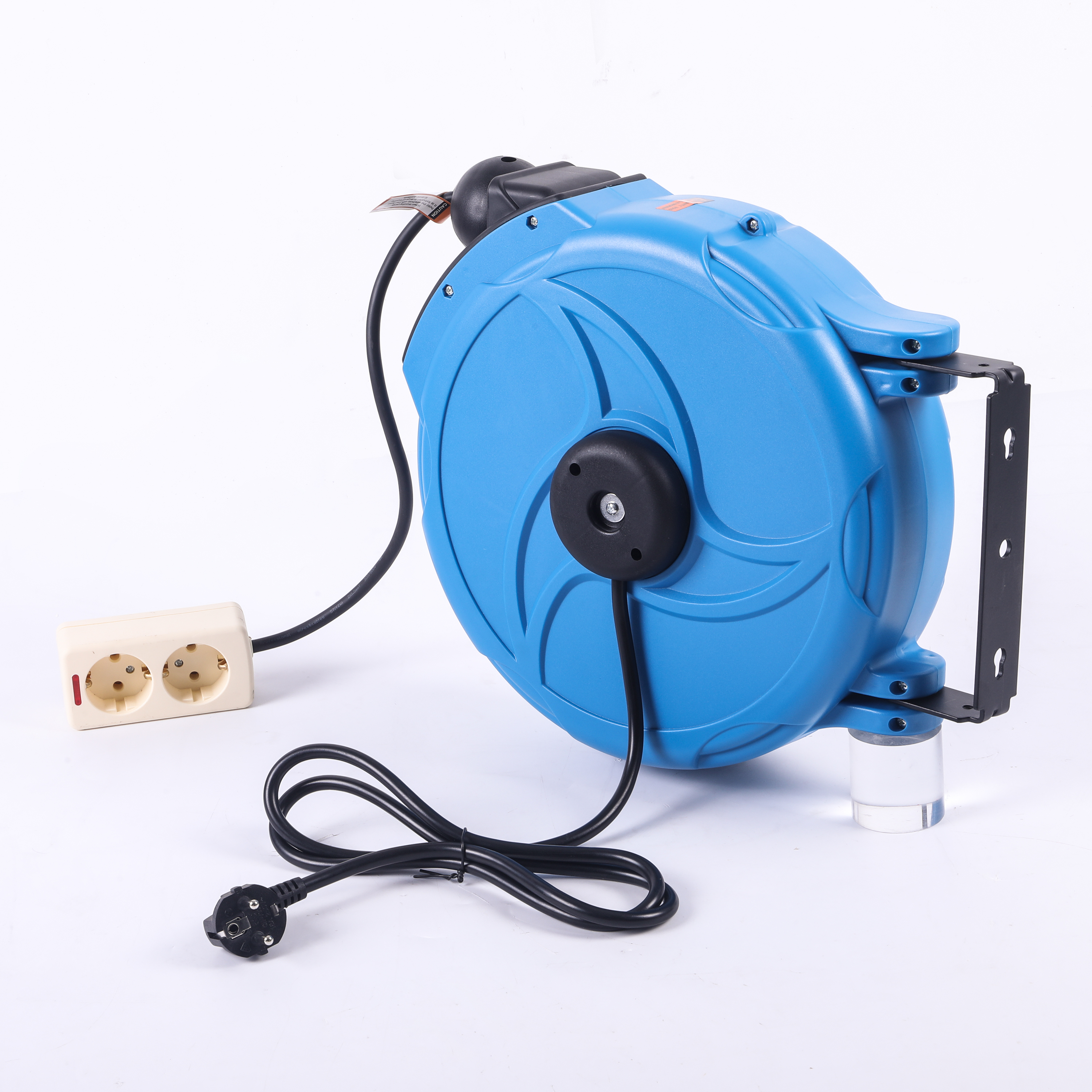
Understanding the reel of cable is crucial for B2B buyers in manufacturing, engineering, and other industrial sectors. This product is essential for various applications, including electrical installation, telecommunications, and automotive systems. As a purchasing manager or engineer, you may have concerns regarding material selection, application suitability, and installation challenges. This article will help you navigate these considerations, ensuring you make informed decisions when sourcing a reel of cable for your specific needs.
Common Installation Issues with Reel of Cable and Their Solutions
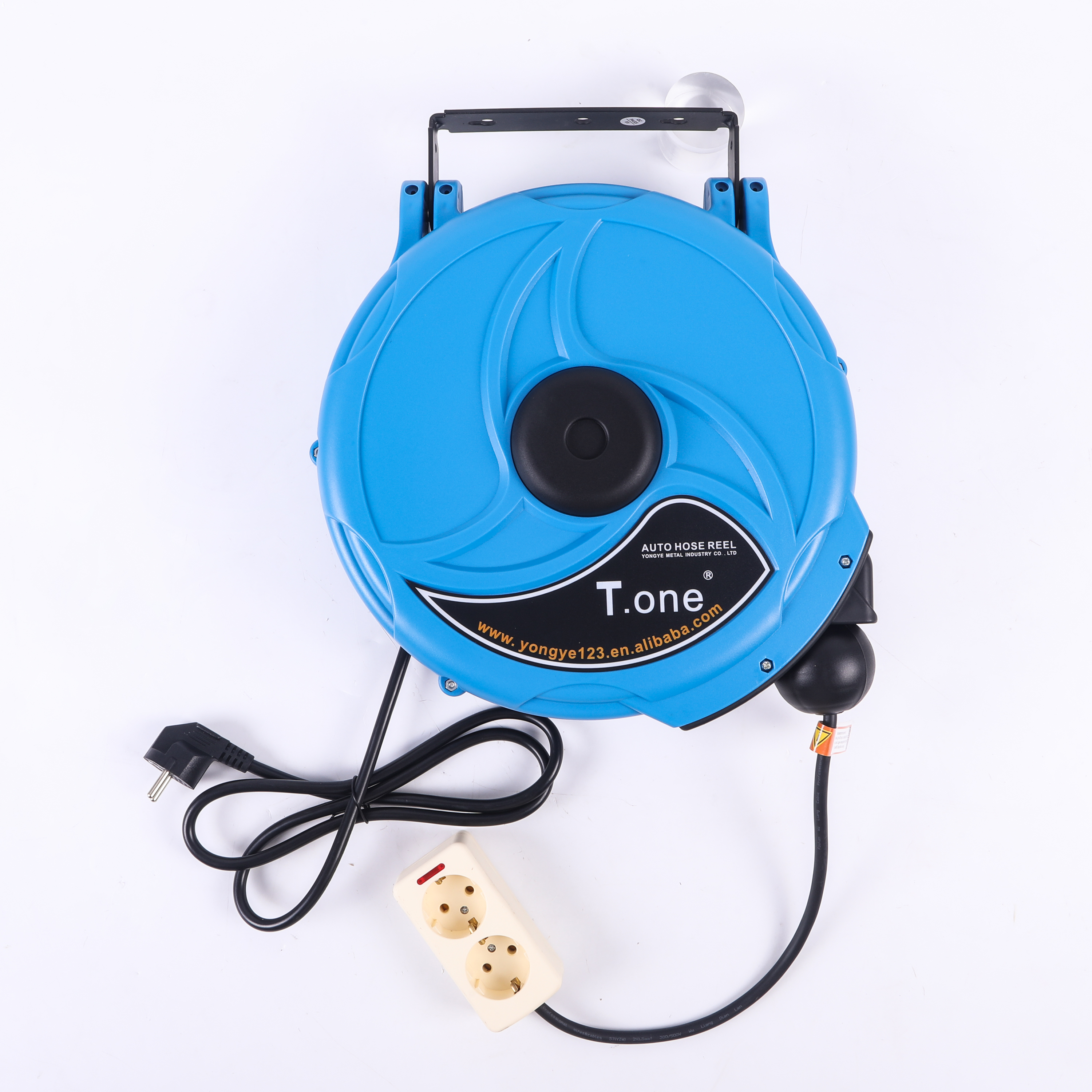
Installation of a reel of cable can present various challenges that, if not addressed, may lead to operational inefficiencies. One common issue is tangling or twisting during installation, which can affect the performance of the cable. To mitigate this, ensure that the cable is properly wound and stored on the reel before transportation.
Another frequent problem is incorrect cable sizing for the application, leading to overheating or failure. It's crucial to assess the current and voltage requirements of your installation before making a purchase. If you're unsure, consult with the manufacturer or a trusted engineer to obtain precise specifications.
Lastly, environmental factors can impact cable performance, particularly in extreme temperatures or humidity. Selecting the right insulation material can help protect against these conditions. For instance, PVC insulation is suitable for general applications, while materials like XLPE offer better thermal stability for high-temperature environments. Alternatively, a High pressure hose reel might be beneficial for certain installations.