EN


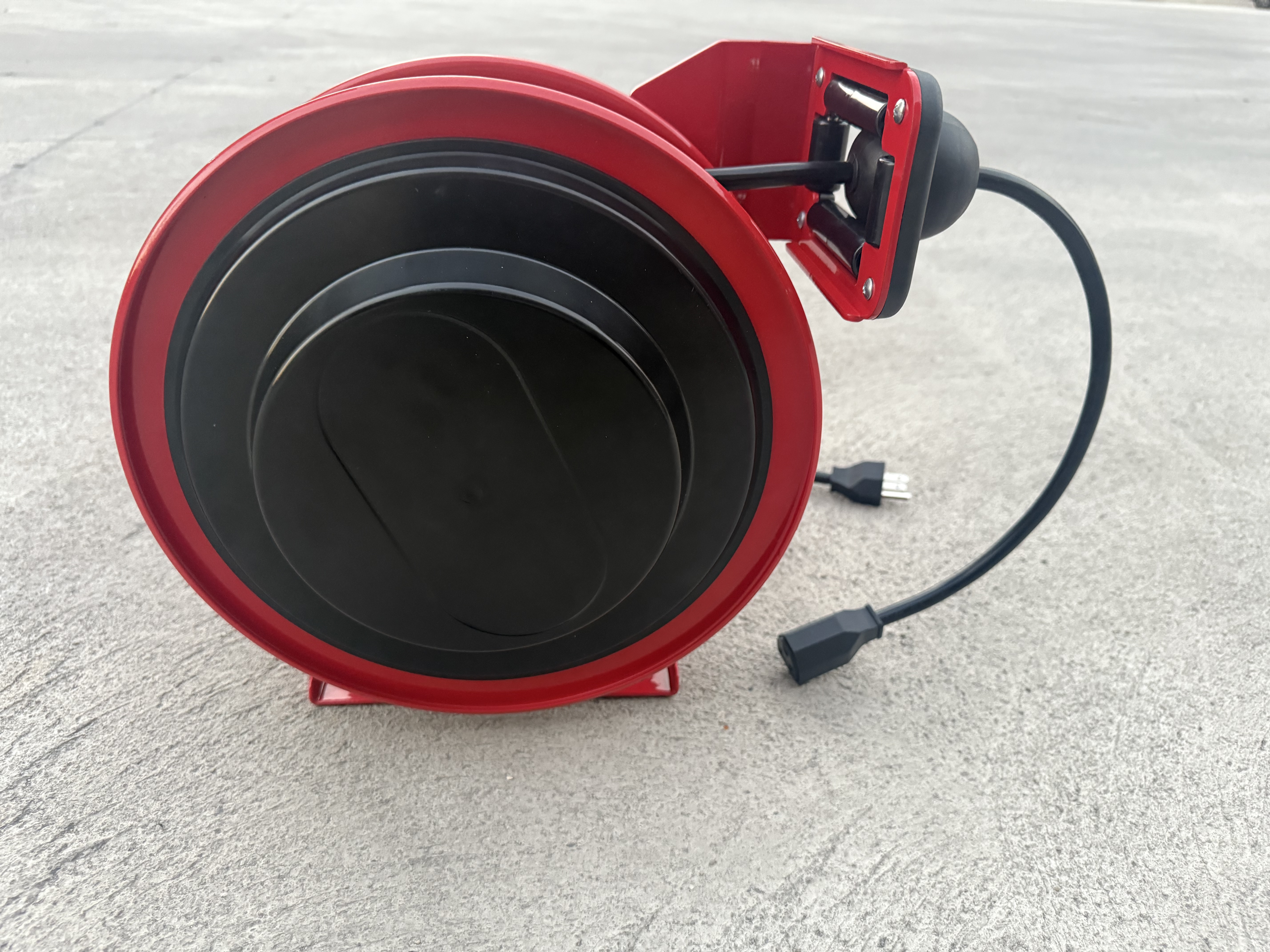
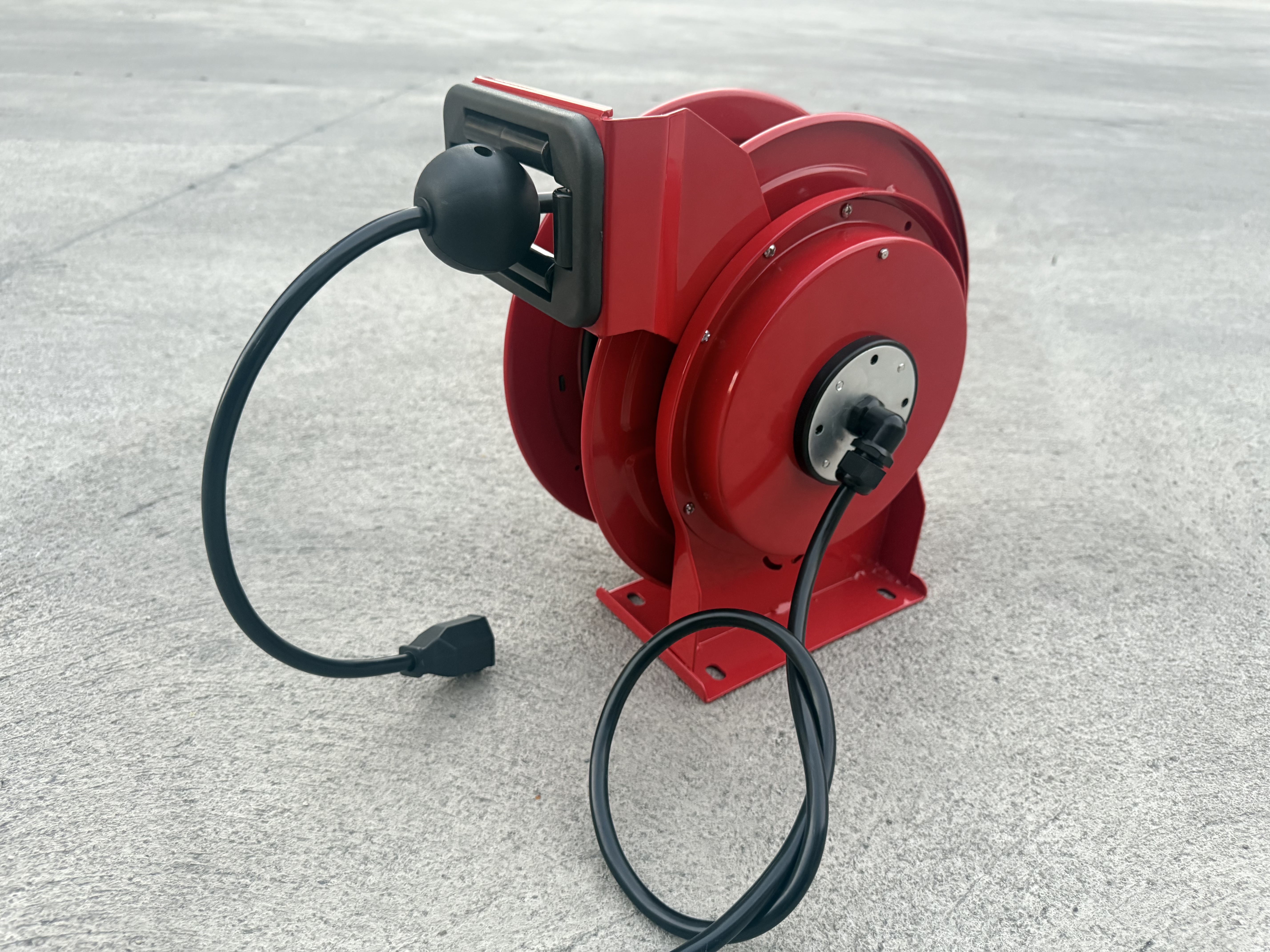
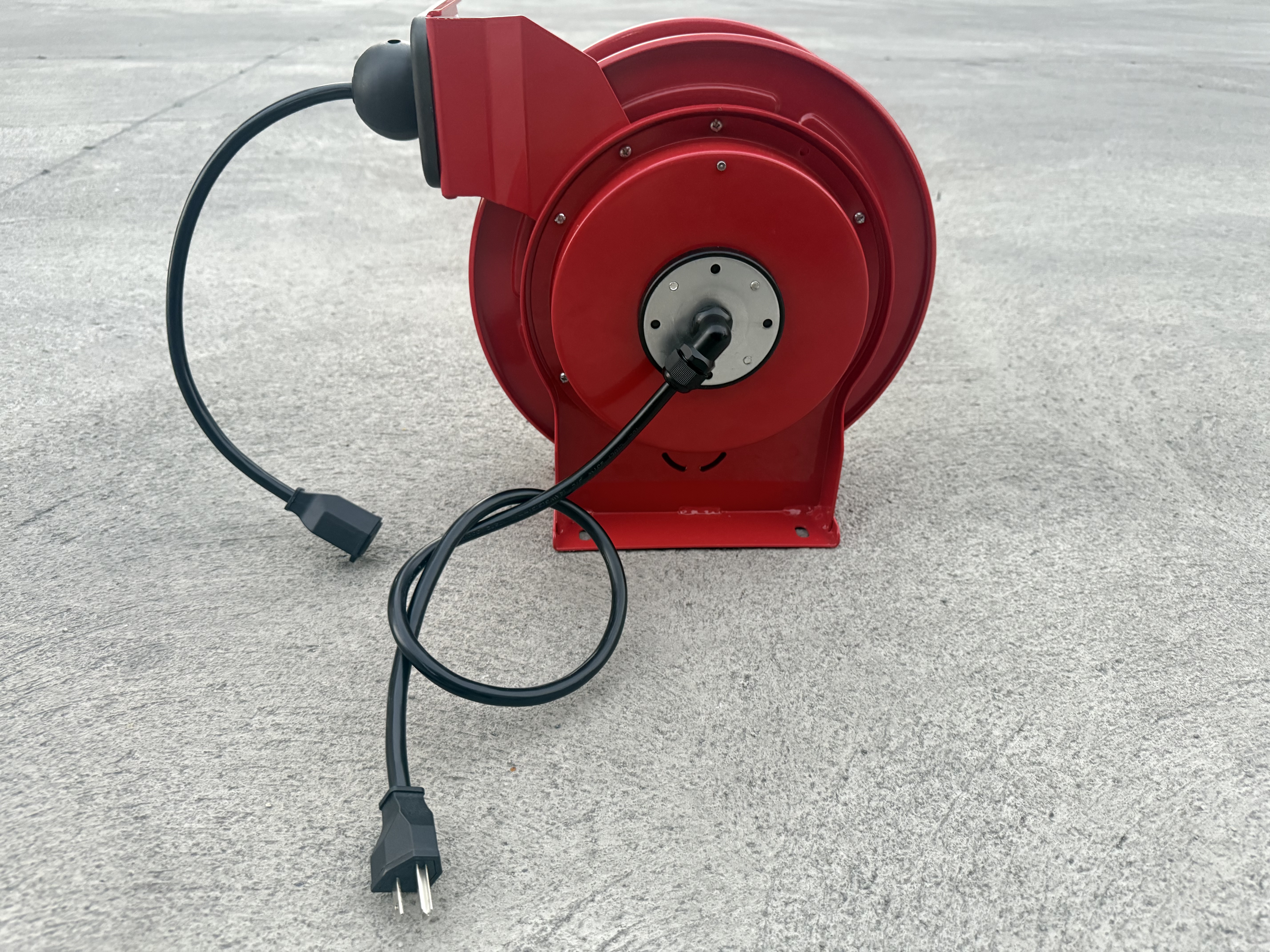
Industrial cable reels are essential components in various industrial settings, designed to manage and dispense cables efficiently. These reels help streamline operations while ensuring safety and organization in workplaces where electrical cables, hoses, or other types of wiring are prevalent. As a purchasing manager or engineer, understanding the different types of industrial cable reels, their durability, sourcing options, and cost factors is crucial for making informed decisions. This article will guide you through selecting the right industrial cable reel for your projects, assessing their durability, sourcing reliable options, and understanding the cost implications when purchasing in bulk.
Assessing Industrial Cable Reels for Durability
Durability is a critical factor when evaluating industrial cable reels, as they often operate in demanding environments. To assess a reel's durability, consider the following aspects:
Material Quality: High-grade plastics or metals should be used in the production of the reel. For instance, aluminum provides a good balance of strength and weight, while steel offers enhanced durability and resistance to impact.
Design Features: Look for reels with reinforced corners and a robust axle system, as these features can significantly improve load-bearing capacity and prevent structural failures during use.
Environmental Resistance: Depending on the application, the reel may need to withstand extreme temperatures, UV exposure, or chemical contact. Ensure that the materials and coatings used can resist these environmental factors.
Testing and Certification: Inquire if the manufacturer conducts rigorous testing to validate the durability of their reels. Certifications can indicate adherence to industry standards, providing an additional layer of assurance about the product's reliability.
User Feedback: Reviews from other buyers can offer insights into the reel's performance in real-world settings. Look for feedback on longevity, maintenance needs, and any issues encountered during use.