EN


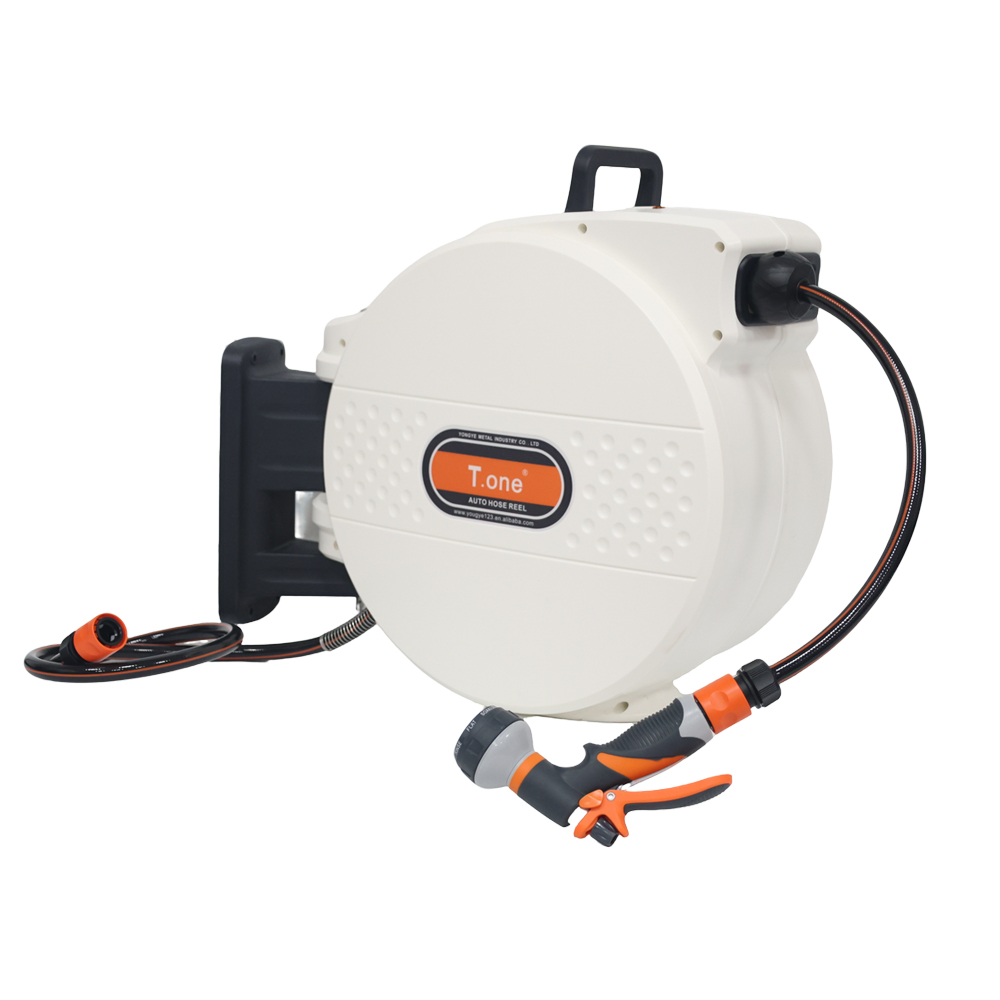
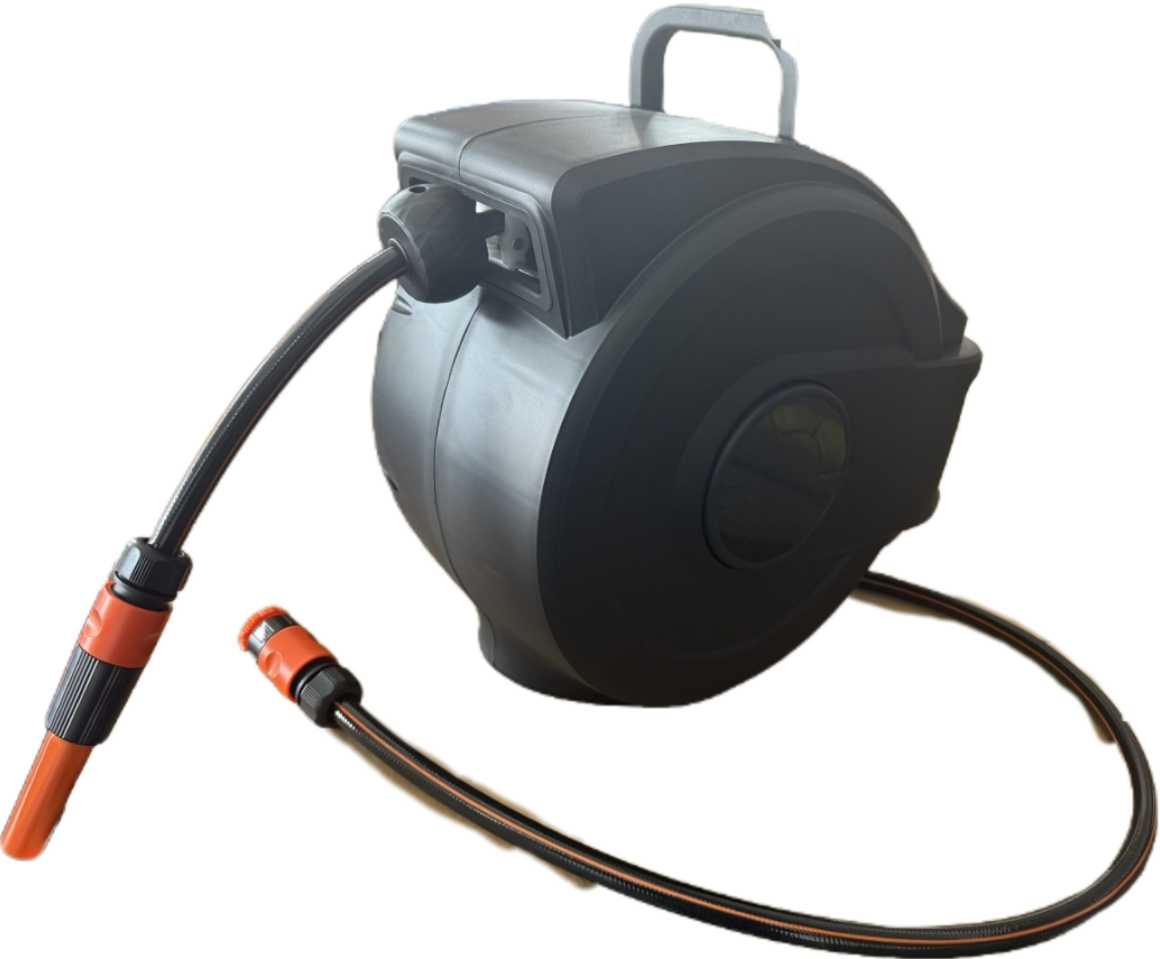
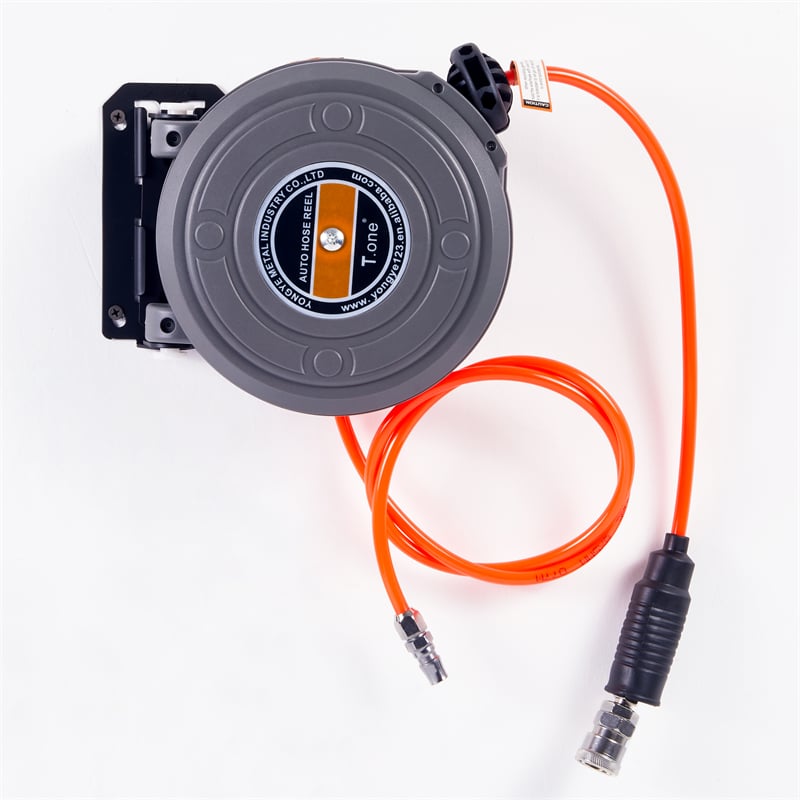
Retractable hose gardens are essential tools for maintaining efficient irrigation and gardening practices in both residential and commercial settings. These devices offer convenience and durability, allowing users to easily store and manage hoses while minimizing wear and tear. For B2B buyers such as purchasing managers, distributors, and engineers, understanding the nuances of retractable hose gardens is critical for making informed purchasing decisions. This article will cover key considerations when selecting a supplier, essential specifications to evaluate, options for bulk orders, performance reliability, and common issues along with their solutions.


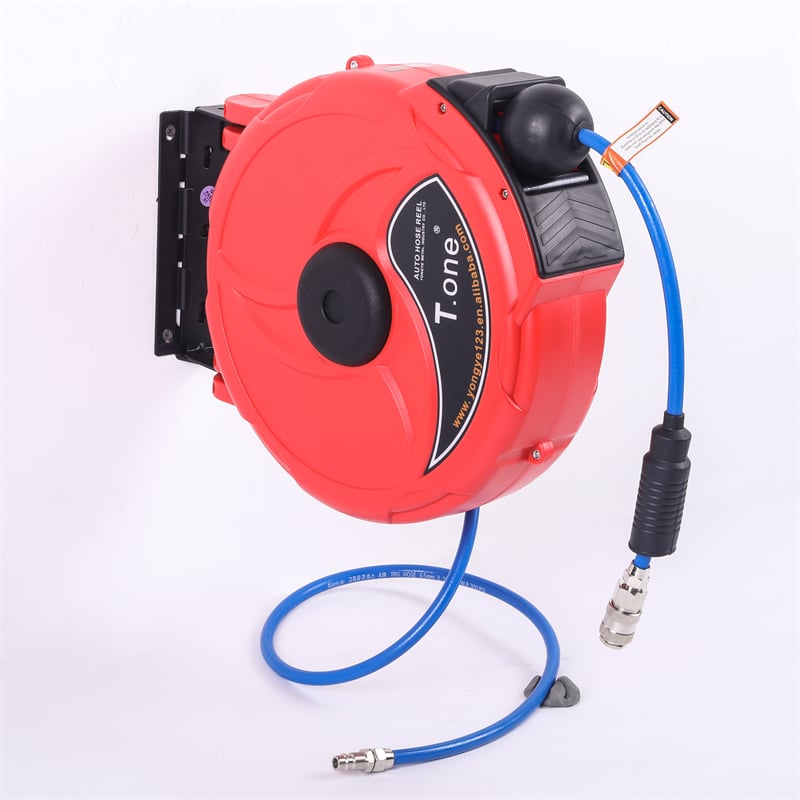
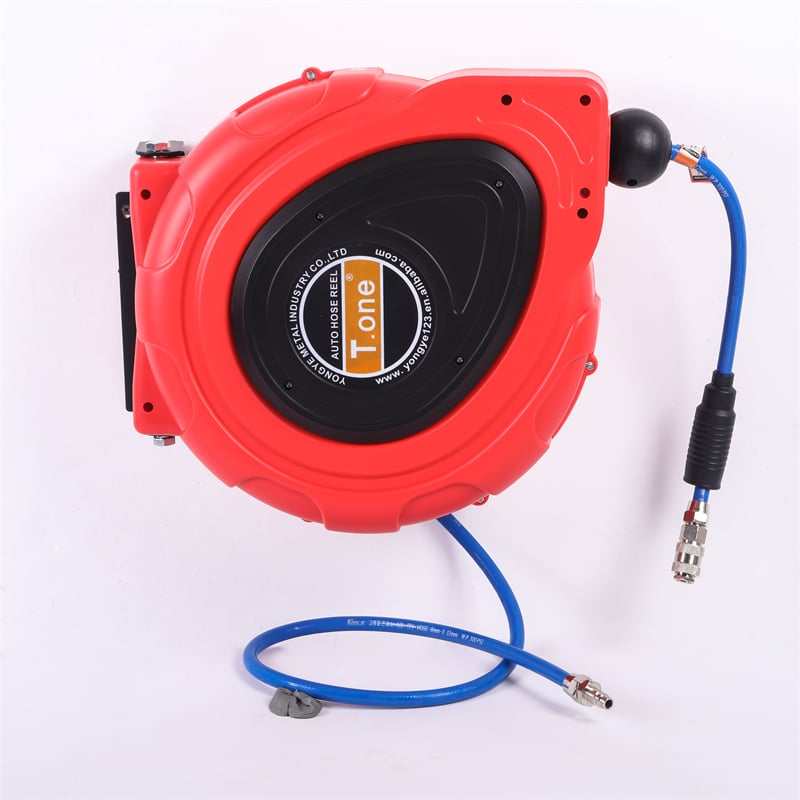
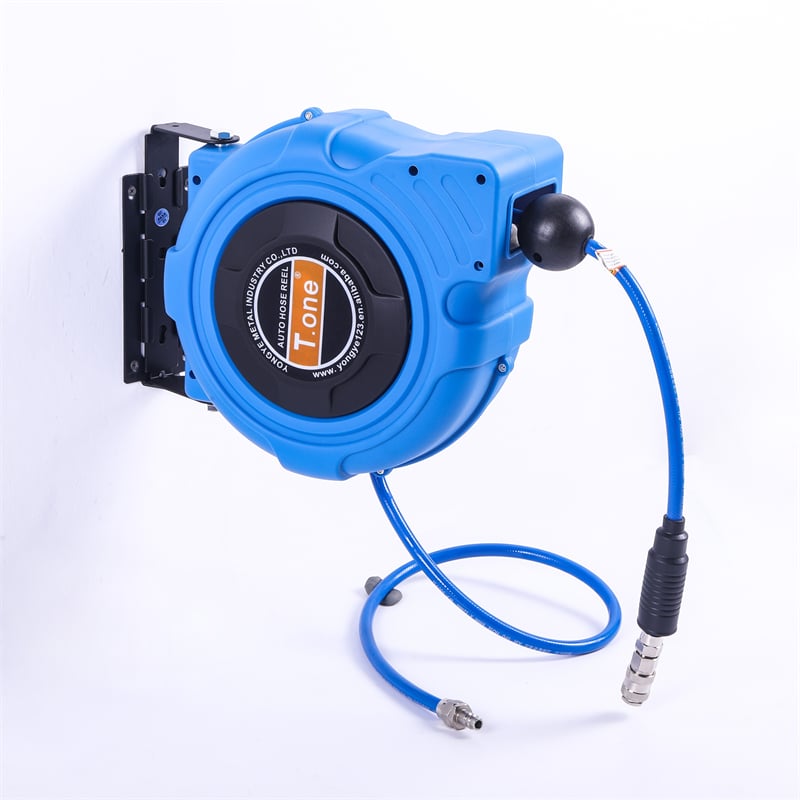
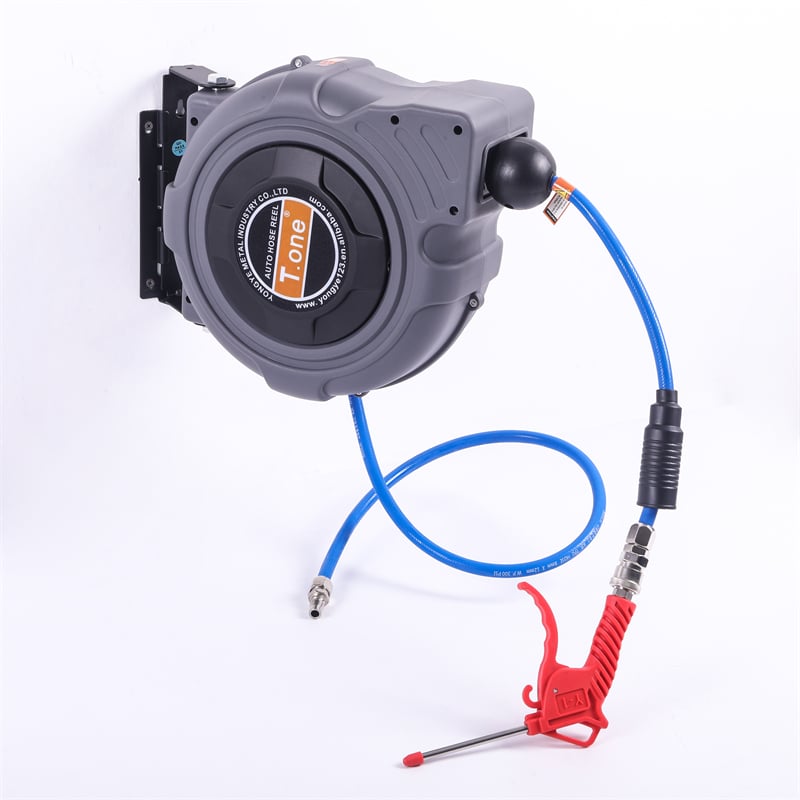
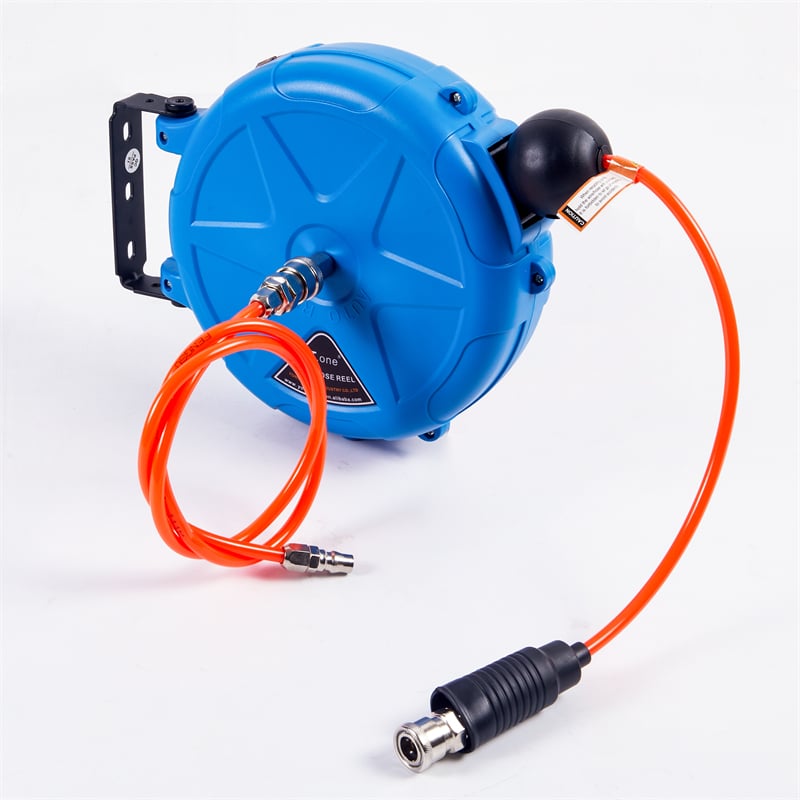
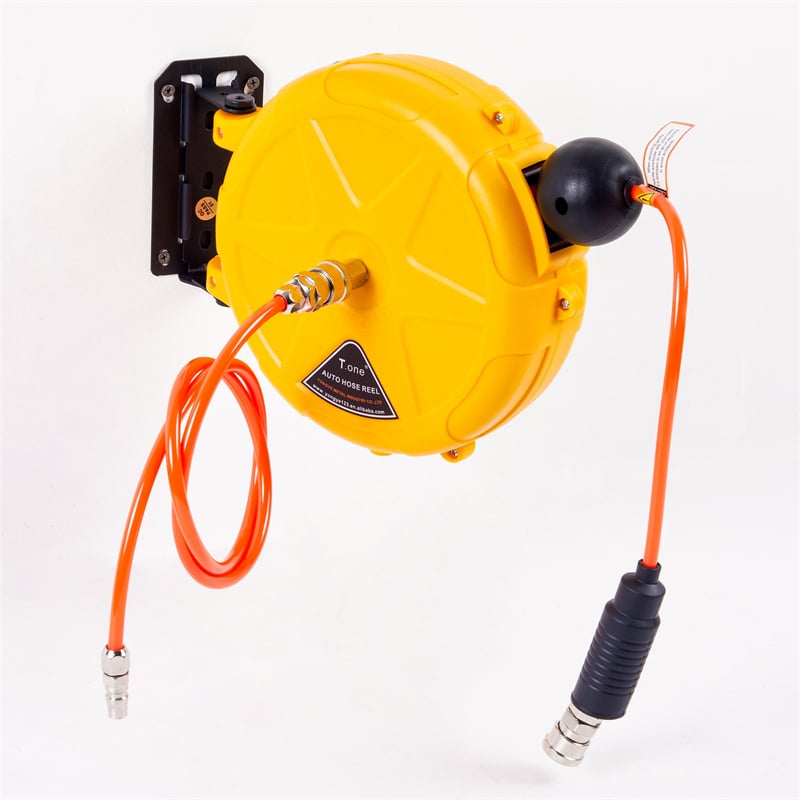
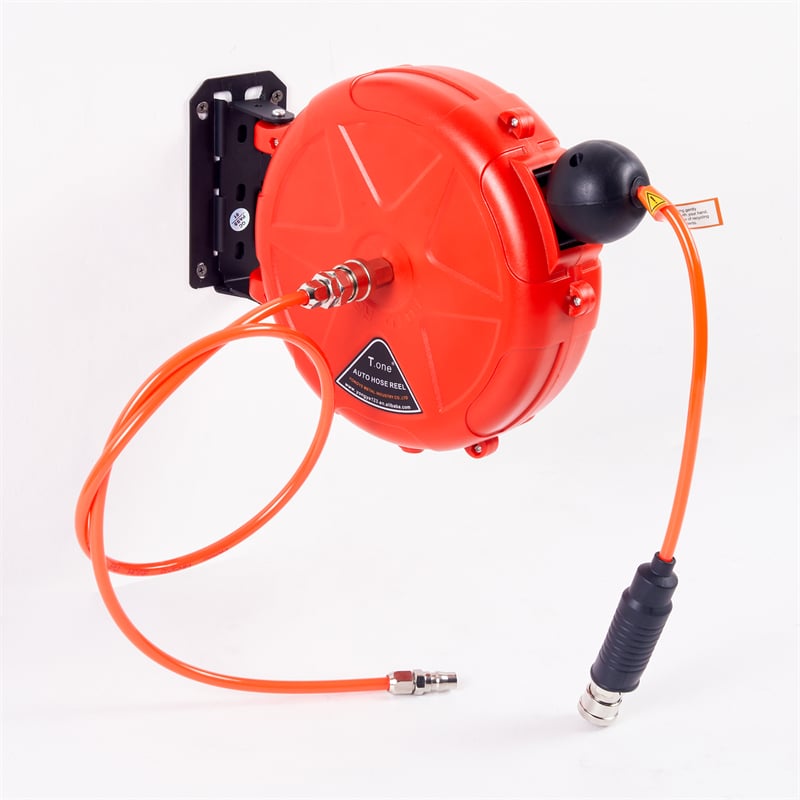
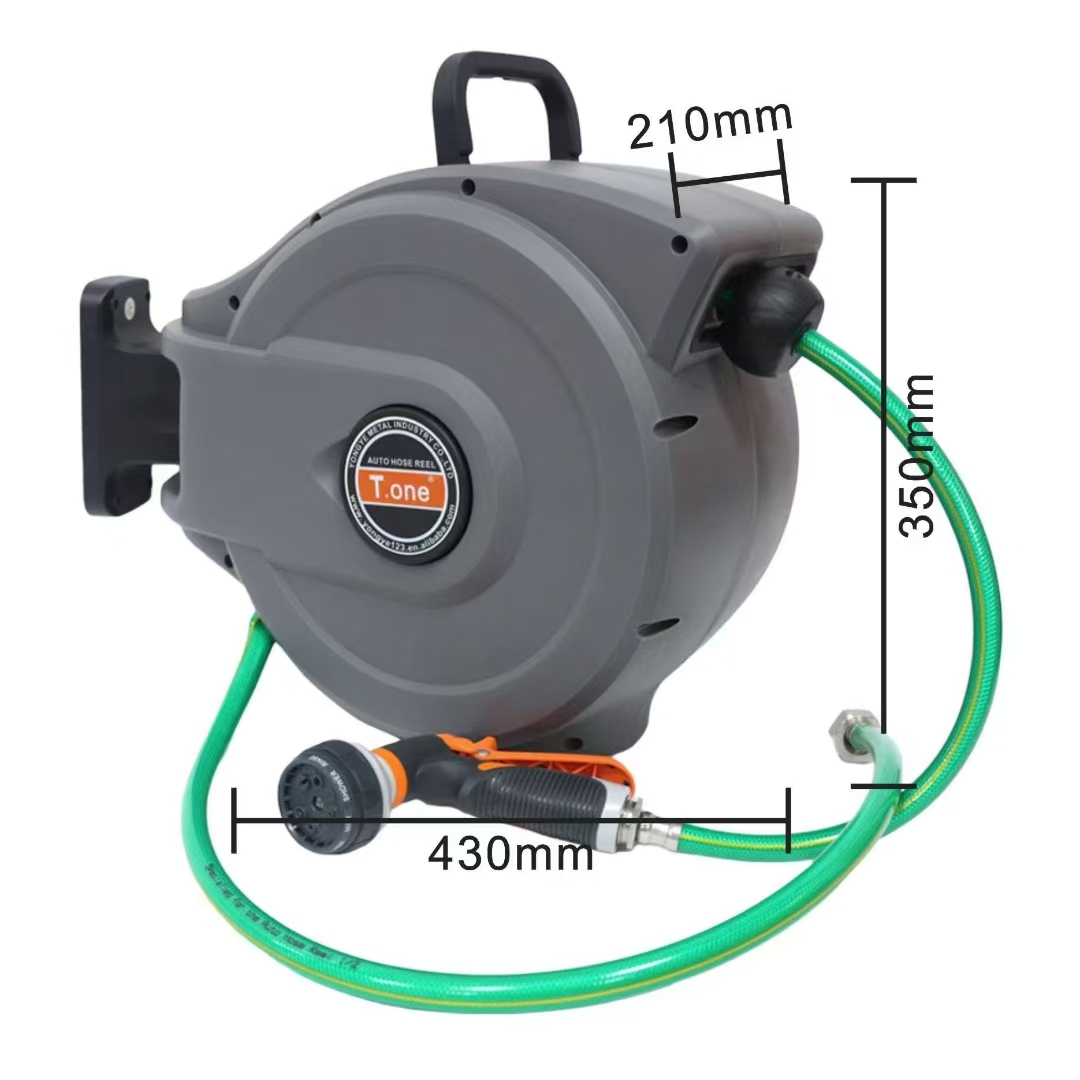
Key Specifications to Evaluate for Retractable Hose Garden Products
Understanding the key specifications of retractable hose gardens is crucial for ensuring they meet your operational requirements. Here are the primary specifications to consider:
Material: The construction material of the hose and reel is vital. Common materials include high-strength plastics and metals. Selecting a material that is resistant to UV rays, chemicals, and abrasion can significantly extend the lifespan of the product.
Hose Length and Diameter: The length and diameter of the hose should align with the intended use. Longer hoses provide greater reach, while wider diameters allow for higher water flow rates. Buyers should evaluate their specific needs to determine the optimal specifications.
Reel Mechanism: The retraction mechanism should be easy to use and reliable. Options may include manual or automatic systems, with automatic mechanisms often being more user-friendly.
Pressure Rating: Assess the maximum pressure rating of the hose, which is critical for ensuring it can handle the water pressure from your irrigation system without bursting.
Weight and Portability: If the hose garden needs to be moved frequently, consider the weight and design for ease of transport.
By evaluating these specifications, buyers can ensure they select a retractable hose garden that aligns perfectly with their operational needs.