EN


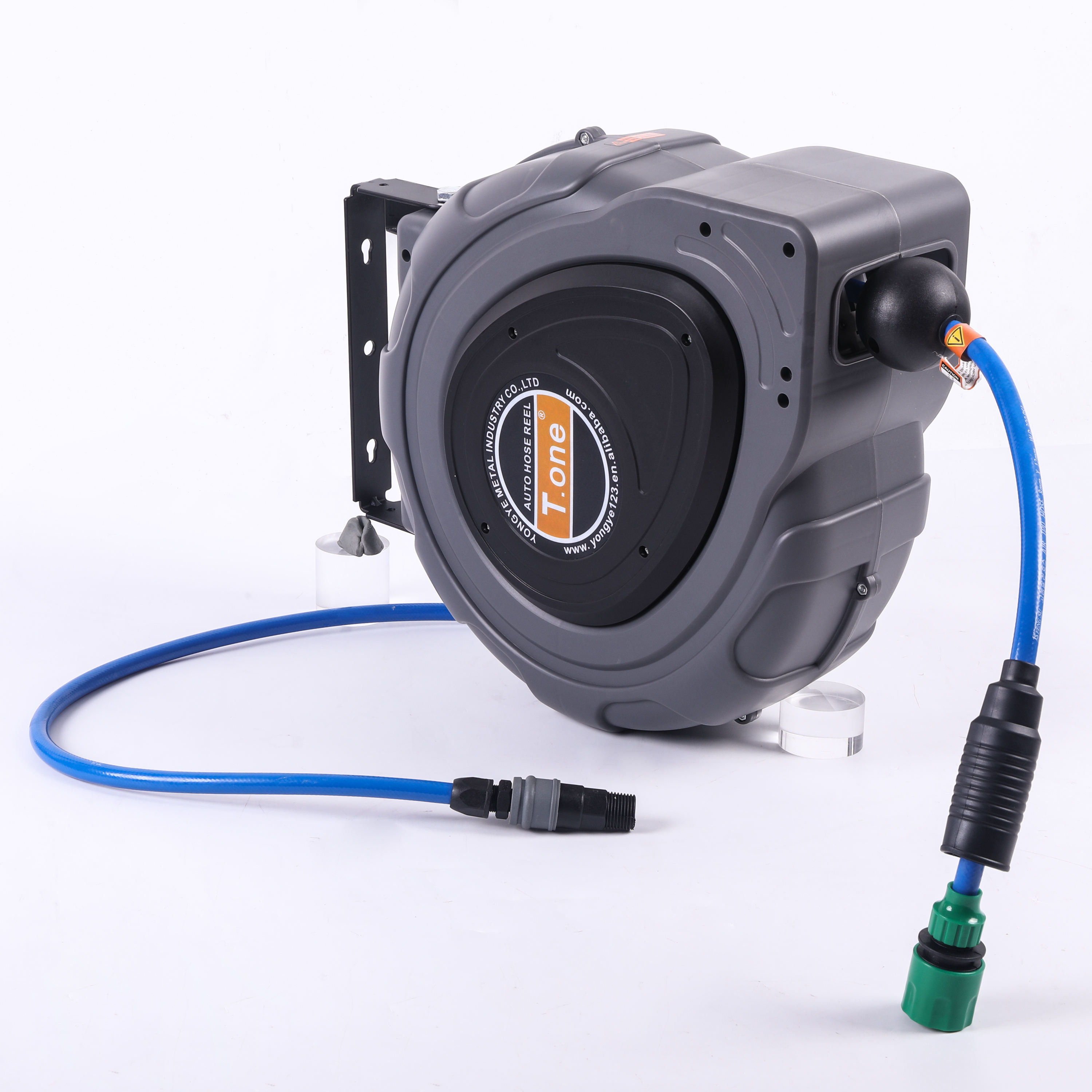
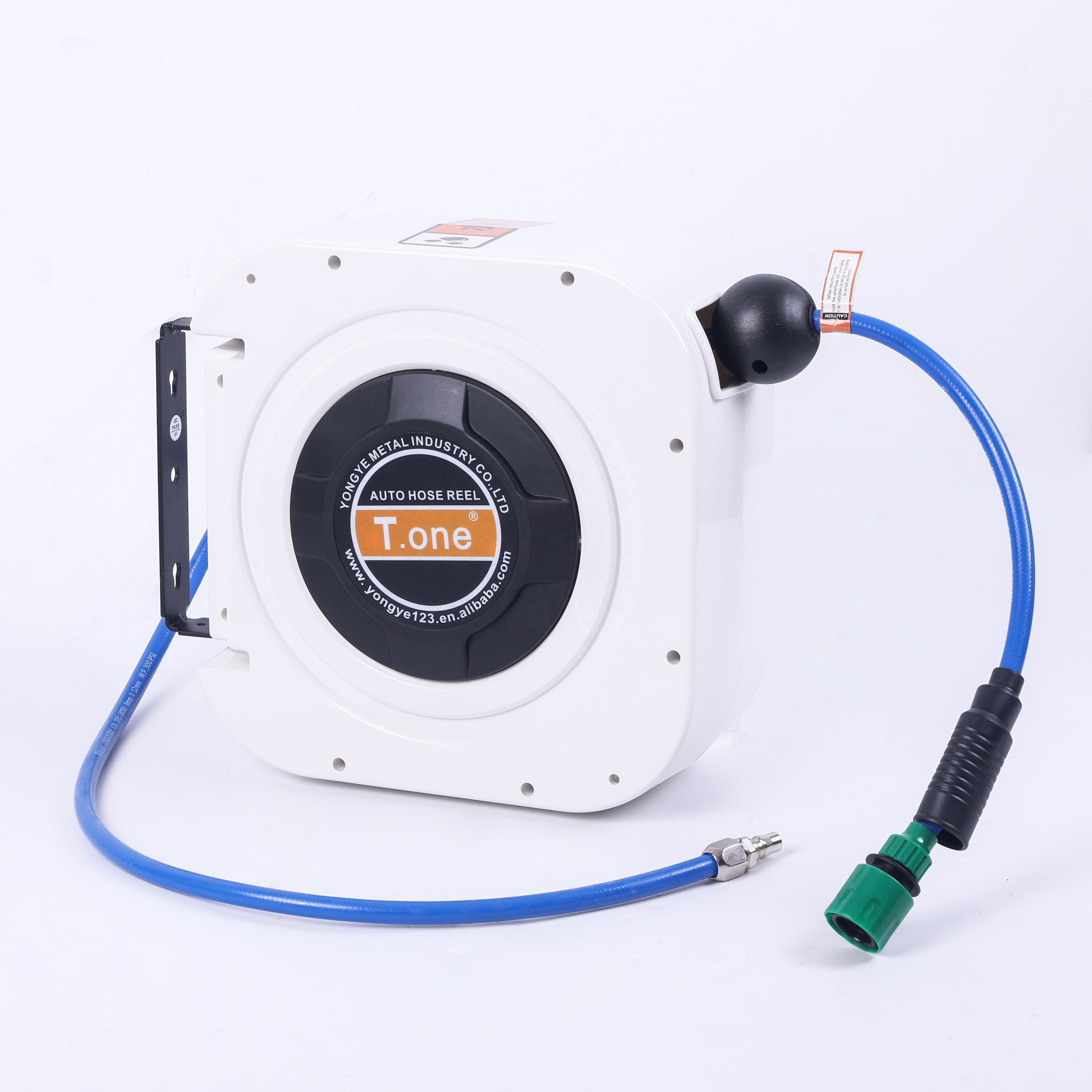
Water hose self winding systems are essential tools in various industries, offering efficient storage and management of hoses. These systems help avoid tangles and prolong the life of hoses, which is crucial for purchasing managers and engineers looking to water hose self winding optimize their operations. We will delve into what you should know about water hose self winding systems, explore key specifications to consider, guide you on sourcing reliable suppliers, discuss cost factors for bulk orders, and address common problems and their solutions.
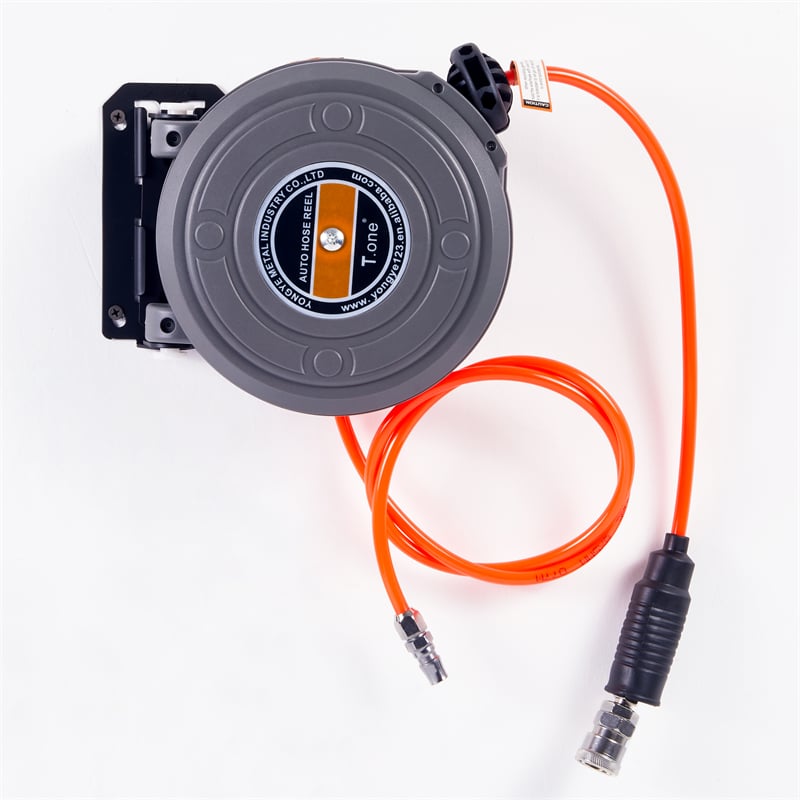
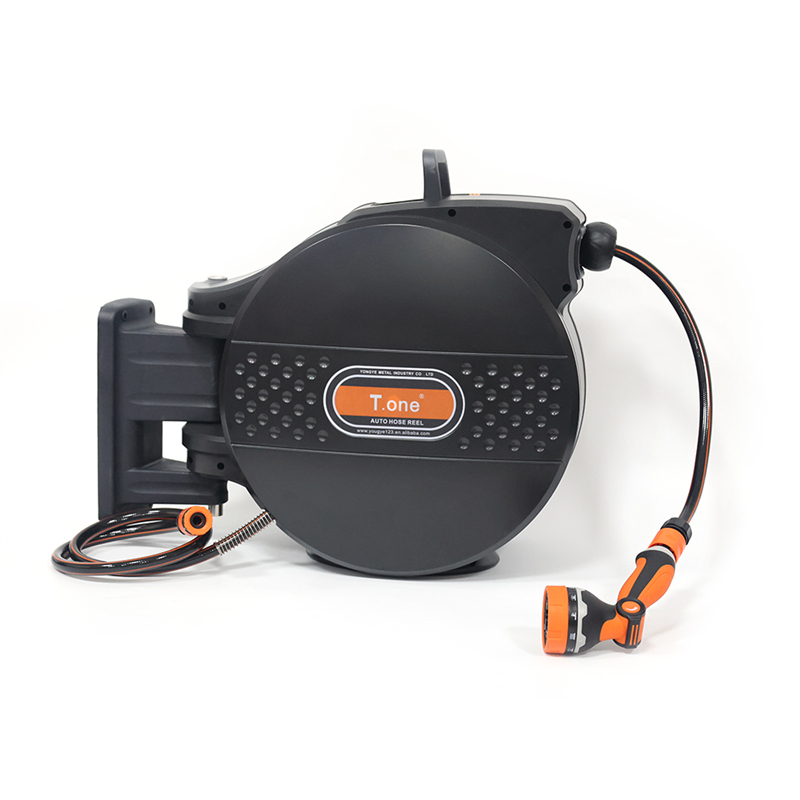
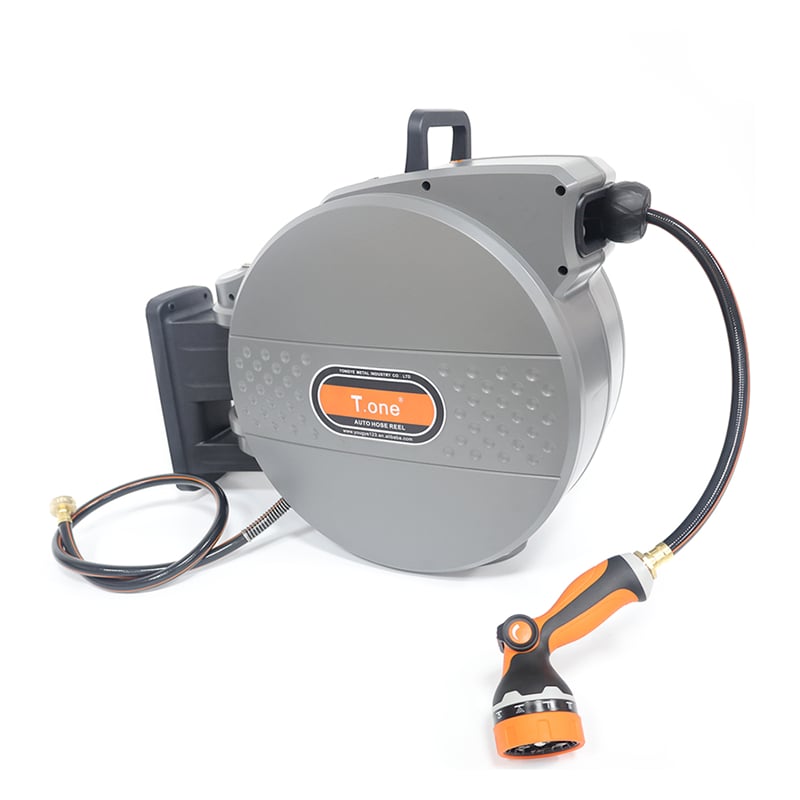


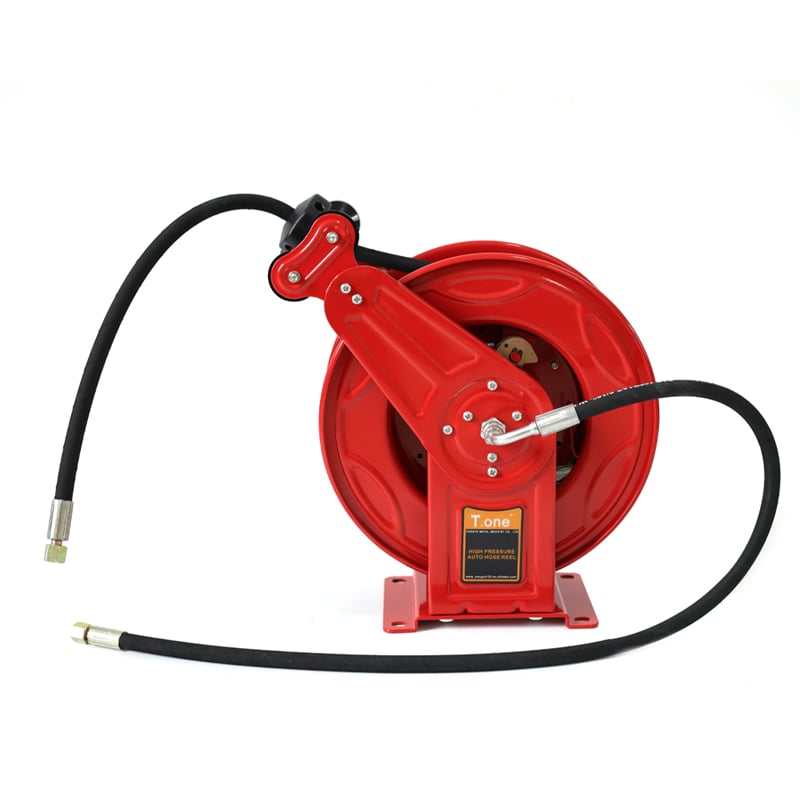


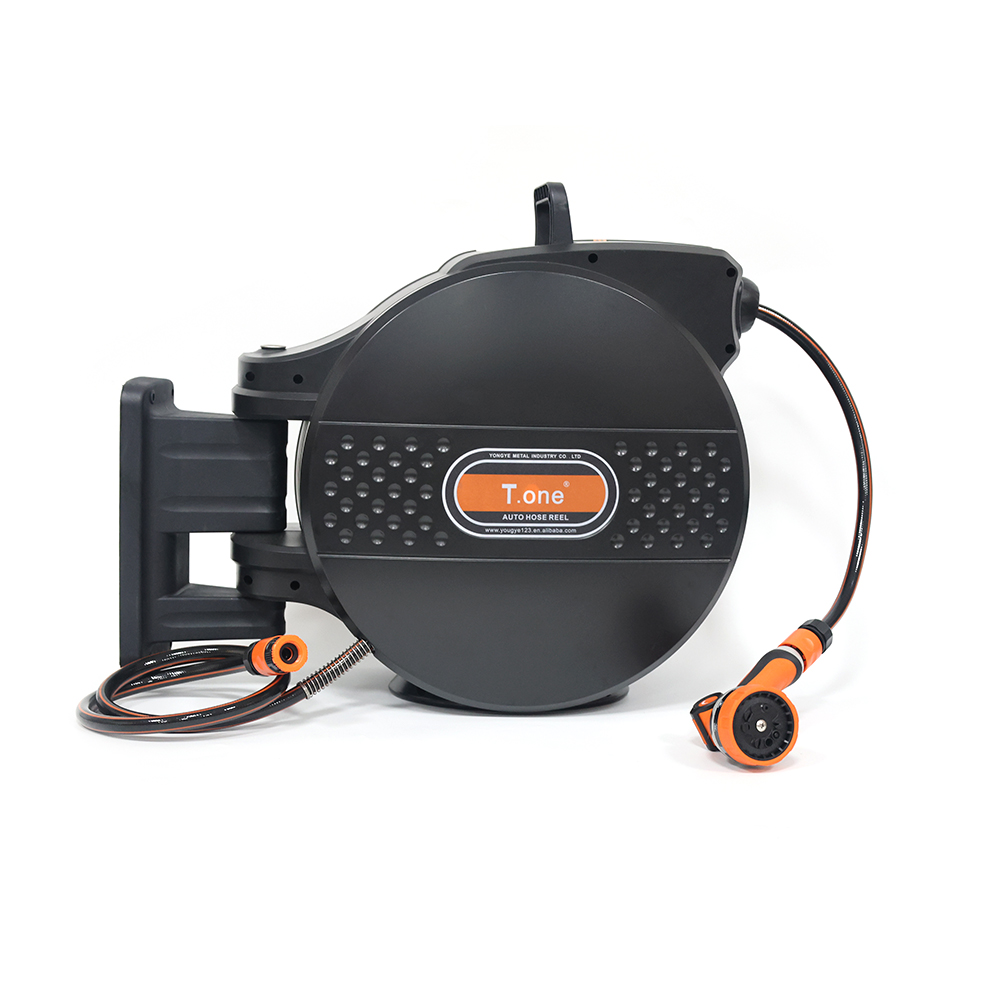
Key Specifications to Consider for Water Hose Self Winding Systems
When evaluating water hose self winding systems, several specifications should be taken into account:
Material: The construction material of the hose and the winding mechanism is crucial. Look for materials that offer resistance to abrasion, UV degradation, and chemical exposure. Common materials include durable plastics and rubber composites.
Hose Length and Diameter: The appropriate hose length depends on the intended application and the water hose self winding area of use. Ensure the diameter meets the pressure requirements of your tasks.
Retractable Mechanism: The winding mechanism's design can greatly affect usability. Consider systems with smooth operation and reliable locking mechanisms to prevent accidental unwinding.
Pressure Rating: Ensure the system can handle the maximum pressure required for your applications. This is critical for maintaining operational safety and efficiency.
Installation Requirements: Evaluate the ease of installation and whether the water hose for reel system requires additional tools or modifications to your facility.
Customization Options: For industries with specific needs, such as food processing or chemical handling, customization may be necessary. This can include specific hose types or additional features like anti-bacterial coatings.