EN


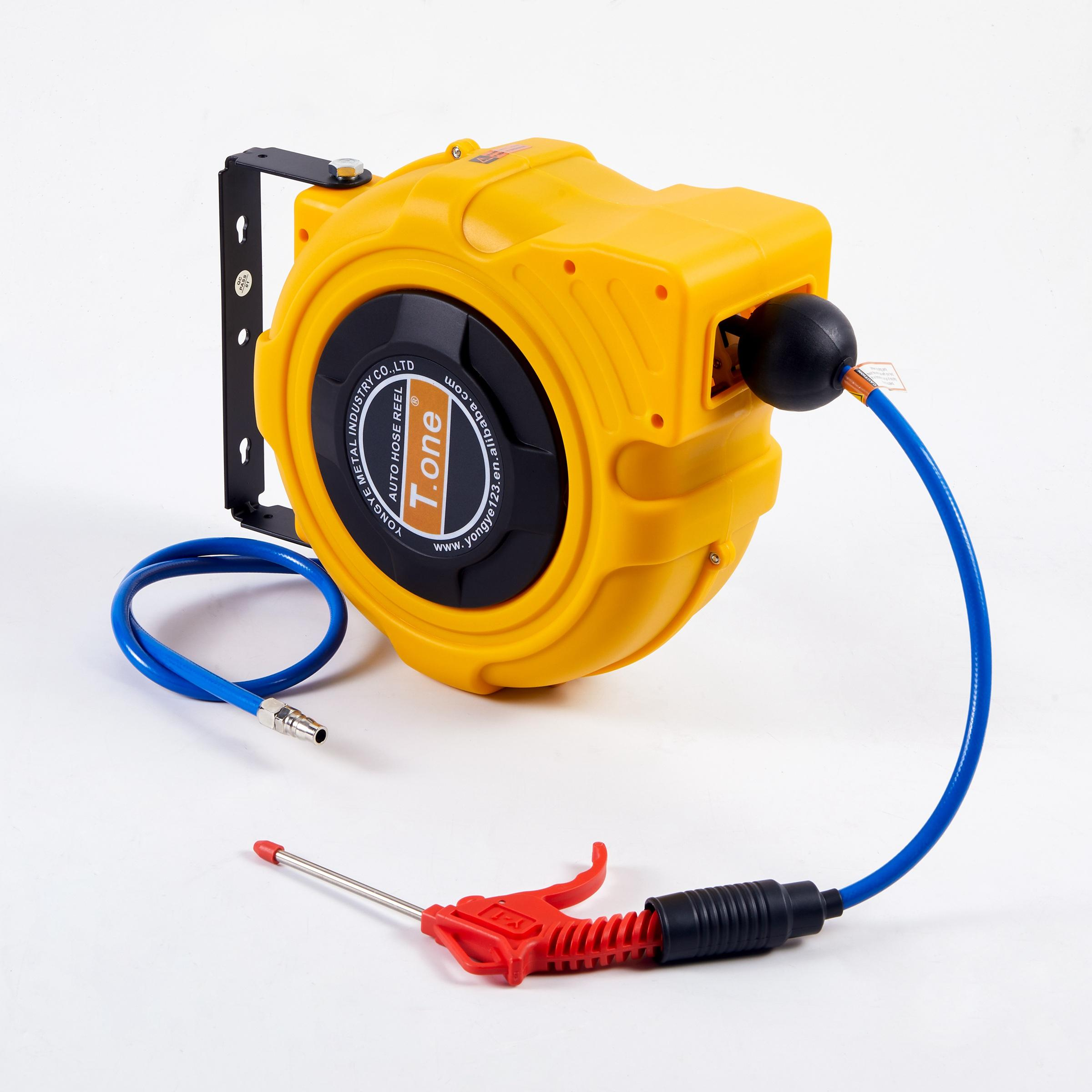
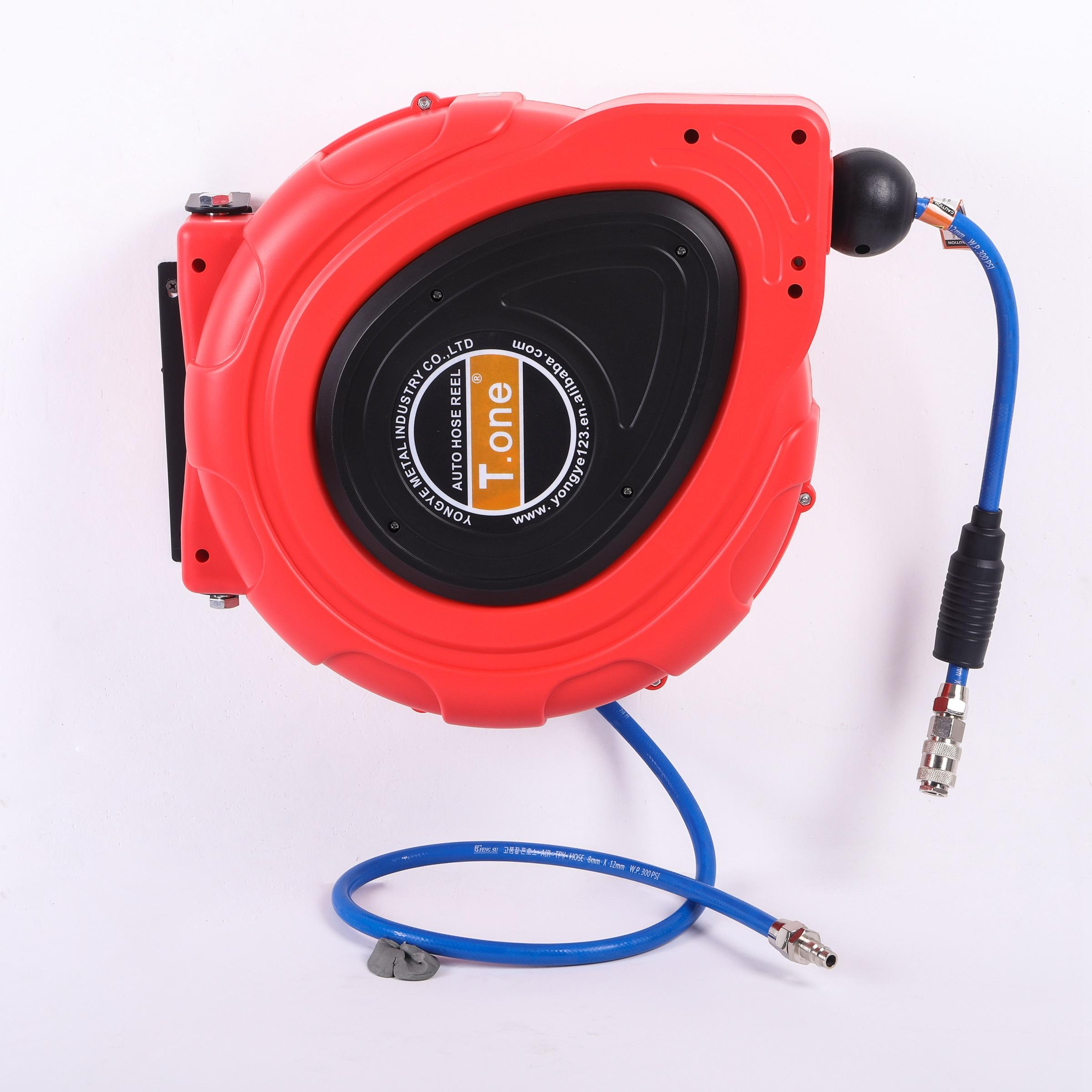
Pipe hose holders are essential components in various industrial and commercial applications, designed to securely hold and organize hoses in place. For B2B buyers, such as purchasing managers and engineers, key concerns include product quality, durability, and compatibility with existing systems. This article will provide valuable insights into sourcing reliable pipe hose holders, key specifications to consider, cost factors for wholesale purchases, common issues and their solutions, and a comparison of different types of holders available in the market.
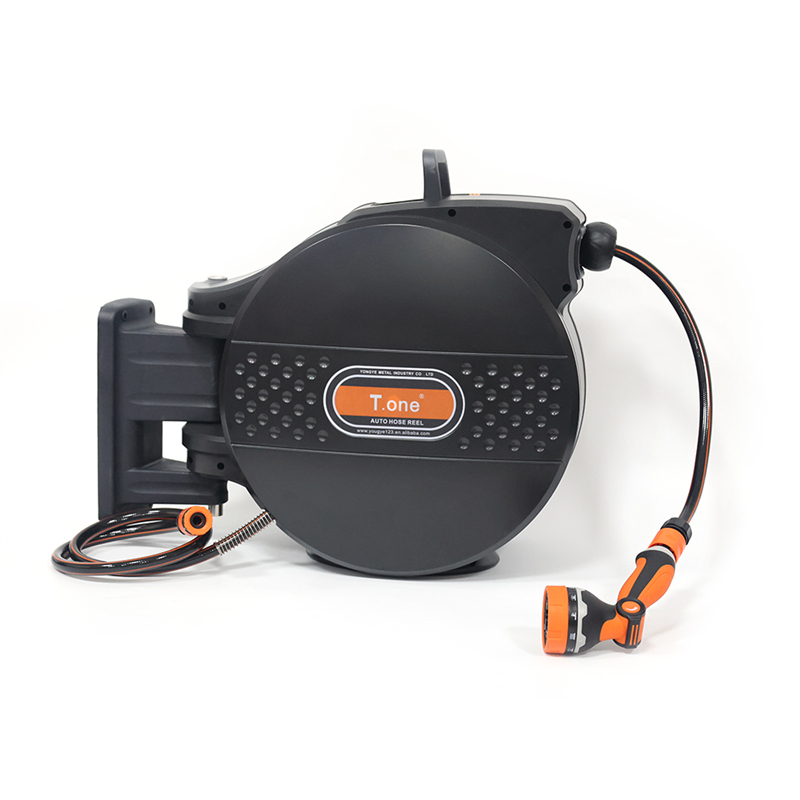


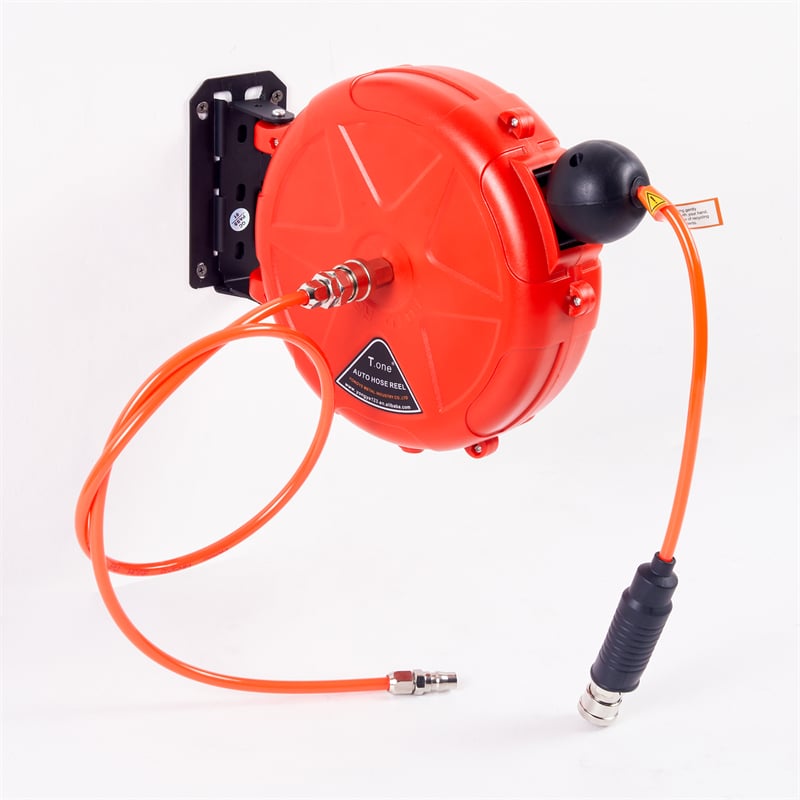
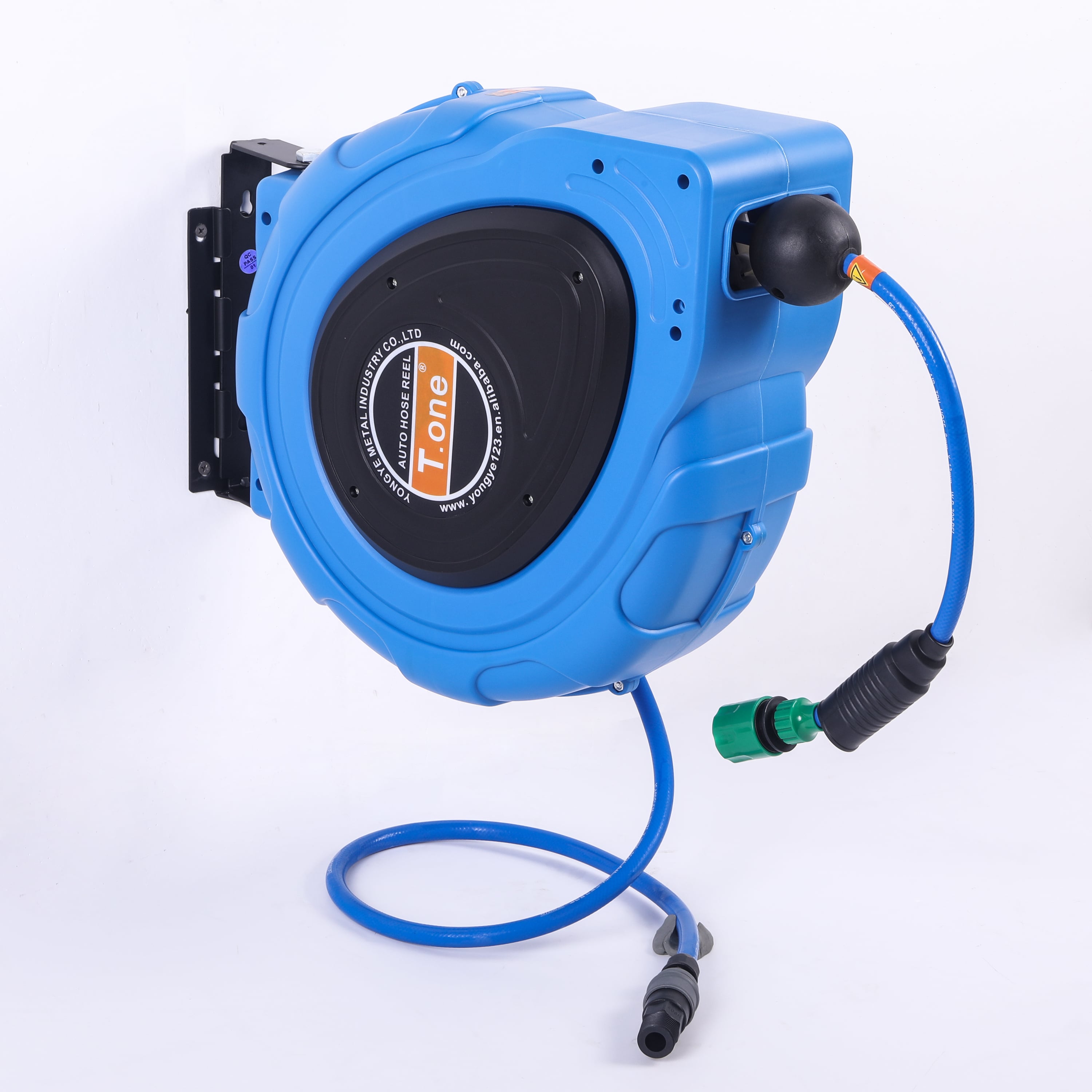
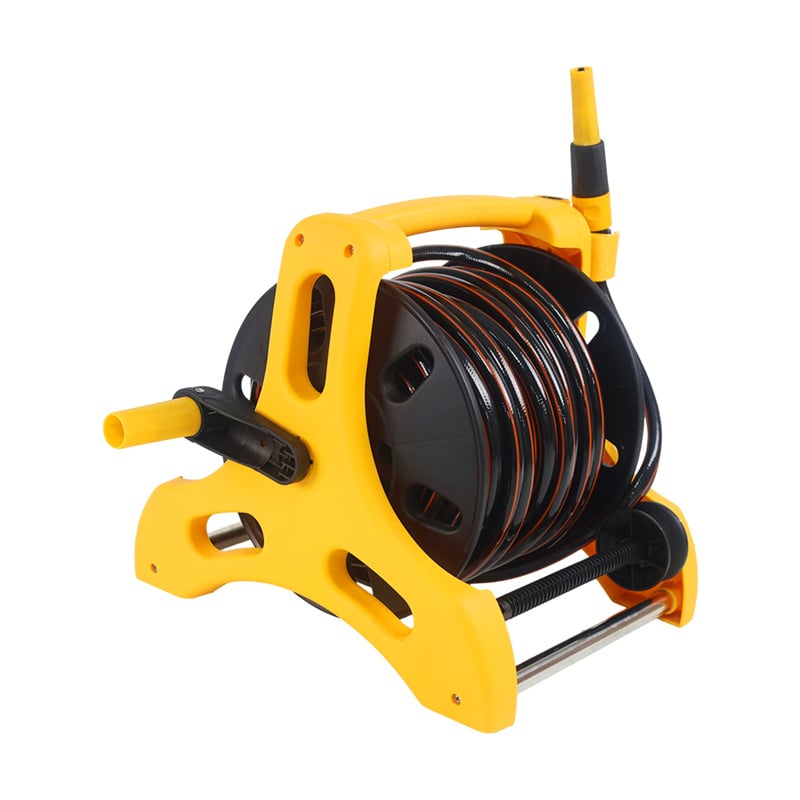
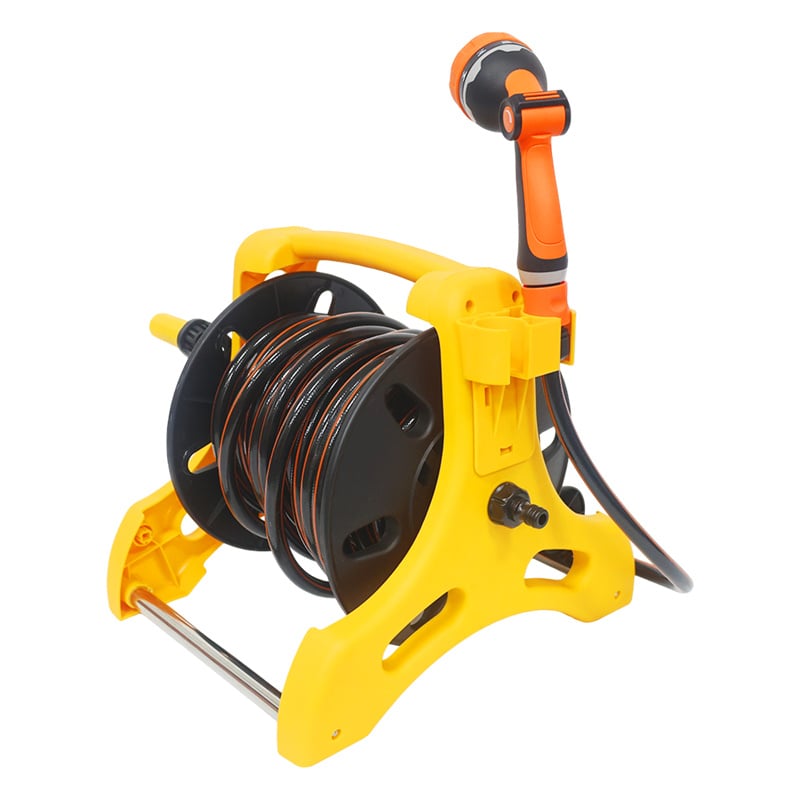
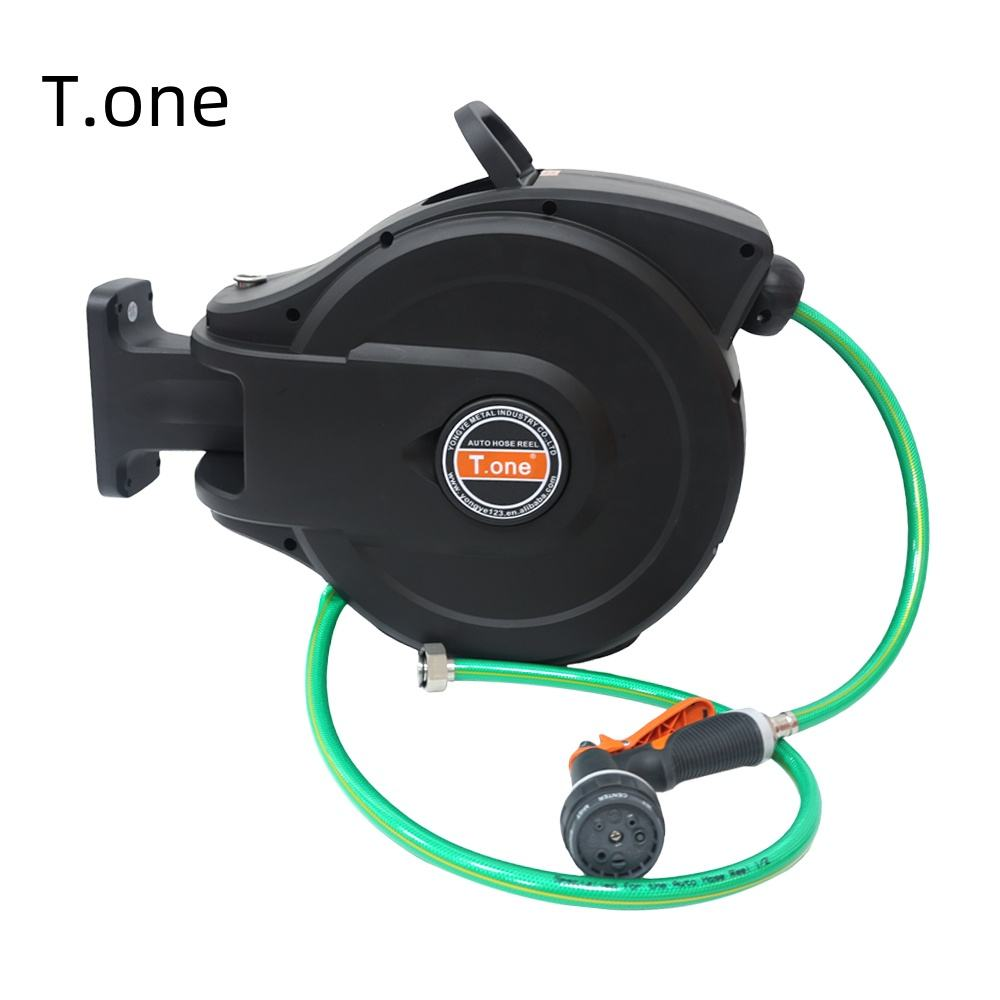
Key Specifications to Consider for Pipe Hose Holders
Selecting the right pipe hose holder involves understanding several critical specifications that affect performance and compatibility:
Material: The material used in the construction of pipe hose holders influences durability and resistance to environmental factors. Options may include steel, aluminum, or high-strength plastics. Buyers should evaluate the material based on the application conditions, such as exposure to chemicals or extreme temperatures.
Load Capacity: Each holder will have a specified load capacity, which indicates the maximum weight it can support. It is essential to choose holders that can accommodate the weight of the hoses and any additional equipment they may carry.
Dimensions: Accurate dimensions are crucial for ensuring that the holders fit in the intended application space. Buyers should confirm the size specifications, including length, width, and height, to avoid compatibility issues.
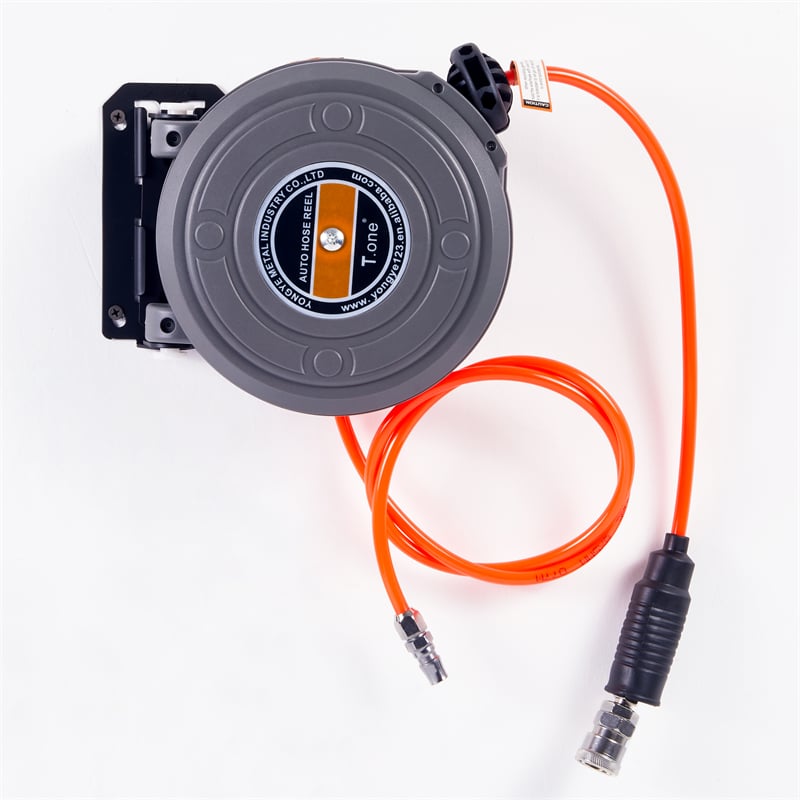
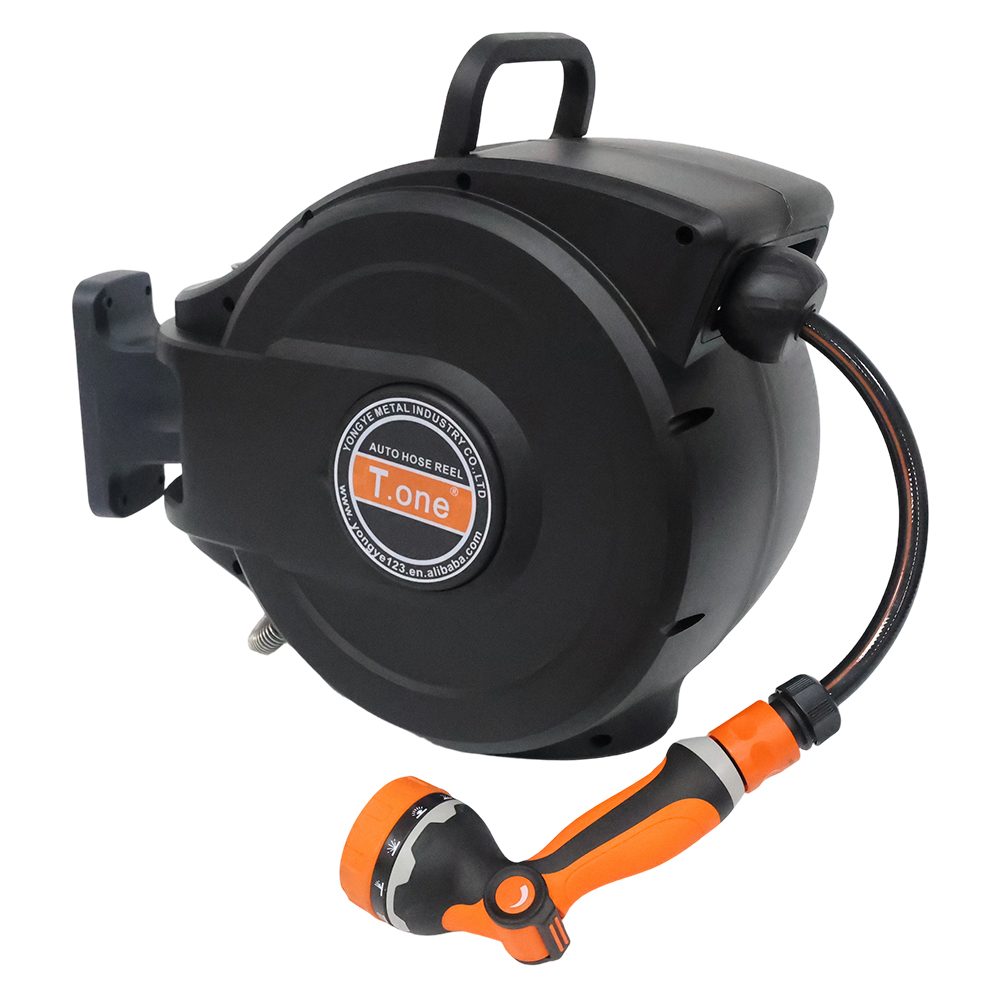
Mounting Options: Different holders may offer various mounting methods, such as wall-mounted or freestanding designs. This choice should align with the intended installation location.
Corrosion Resistance: For applications in humid or corrosive environments, selecting holders with protective coatings or made from corrosion-resistant materials is vital to ensure longevity.