EN


Tubing reels are essential tools in various industrial and commercial applications, facilitating the efficient storage and deployment of hoses and cables. As a purchasing manager or engineer, understanding the specifications, common issues, and supplier reliability concerning tubing reels is paramount to making informed decisions. This article aims to equip you with the necessary insights into tubing reels, addressing key concerns such as material selection, customization options, and effective solutions to common problems.
Common Problems with Tubing Reels and Effective Solutions
Despite their utility, tubing reels can present several challenges. Common issues include tangling of hoses, difficulty in unwinding or rewinding, and wear and tear from environmental exposure or improper use.
One effective solution to tangling is to ensure that the hose is wound evenly and not overfilled on the reel. Regular maintenance checks can help identify wear areas early on, allowing for timely replacements before they lead to operational failures. Additionally, selecting a tubing reel with a robust braking system can prevent uncontrolled unwinding, enhancing safety and ease of use.
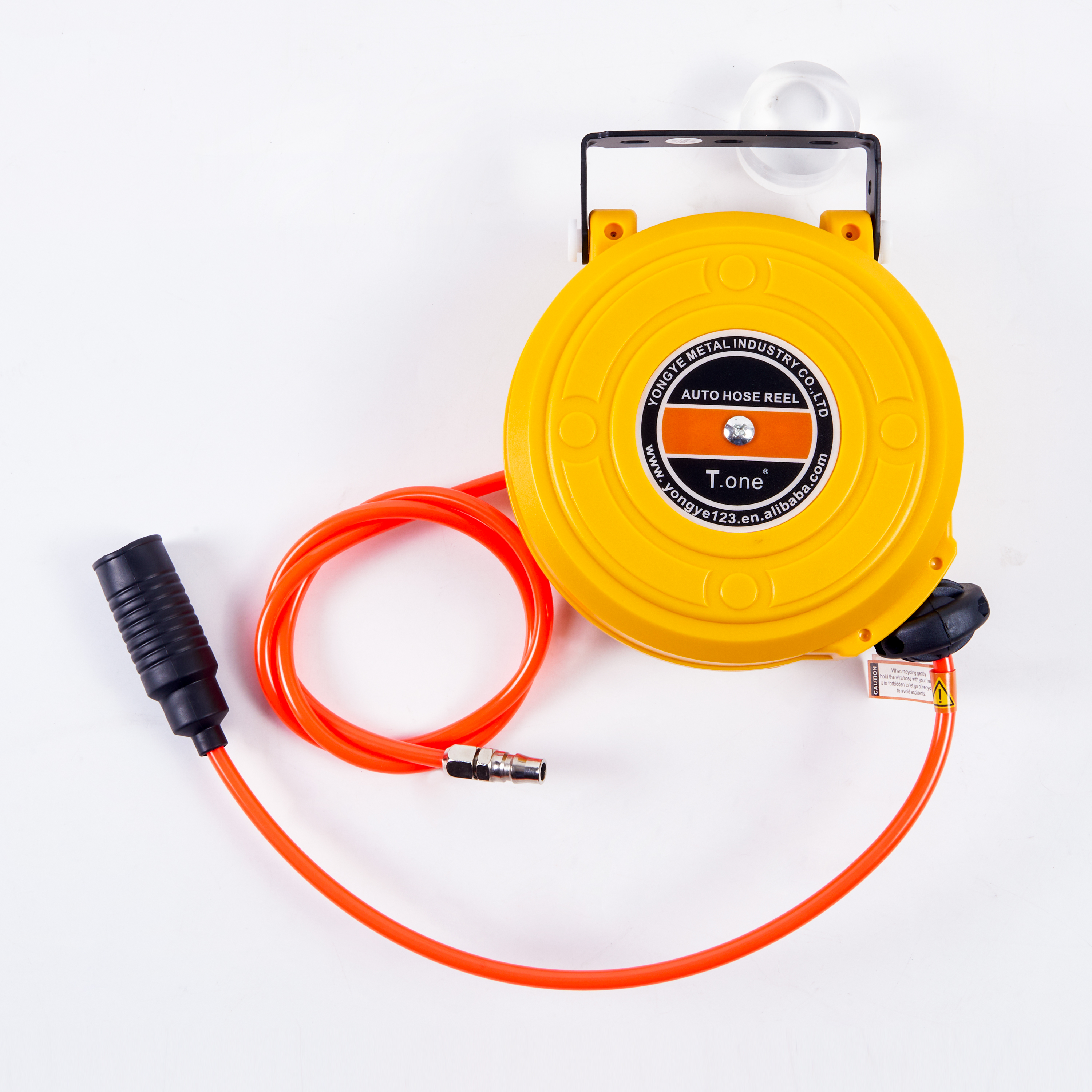
Another common problem is compatibility with existing equipment. To mitigate this, it is advisable to assess the specific dimensions and material requirements of the tubing being used and ensure that the reel can accommodate these specifications. For example, using a 100ft Automatic Water Garden Hose Reel may enhance compatibility and efficiency.