EN


Self-retracting hose reels are essential tools in various industrial and commercial applications, designed to provide convenience and safety by managing hoses effectively. As a purchasing manager or engineer, understanding the key specifications and quality control processes associated with these products is crucial for making informed decisions. This article will guide you through evaluating self-retracting hose reels, understanding their quality control processes, installation tips, sourcing strategies, and their applications across different industries.
Understanding the Quality Control Processes for Hose Reels
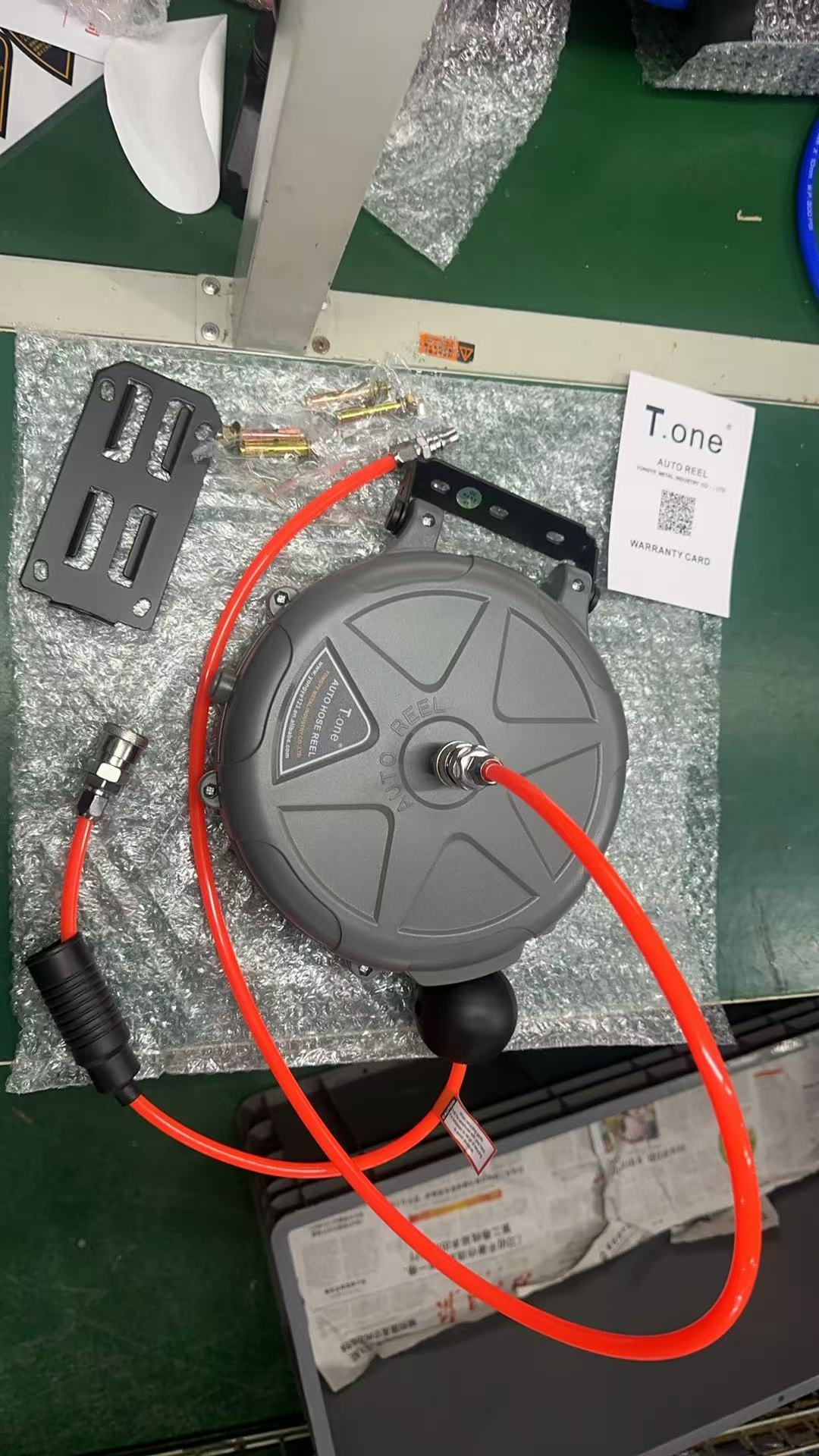
Quality control in manufacturing self-retracting hose reels is essential to ensure durability, reliability, and safety. YONGYE Metal Industrial Co., Ltd. employs rigorous quality control processes that include:
Material Inspection: Before production, raw materials are thoroughly inspected for quality and specifications. This step helps prevent defects that could arise from substandard materials.
In-Process Quality Checks: During manufacturing, various checkpoints are established to monitor the production process. This includes assessing the accuracy of dimensions, weight, and structural integrity at different stages of production.
Final Product Testing: Completed hose reels undergo functional tests to ensure they meet performance standards. This often includes pressure tests and retraction mechanism evaluations to confirm they operate smoothly under expected conditions.
Documentation and Traceability: Comprehensive documentation is maintained throughout the manufacturing process, providing traceability for materials and processes used. This documentation is crucial for addressing any issues post-production.
Feedback Loop: Customer feedback is integrated into the quality control process, allowing for continuous improvement based on user experiences and emerging needs.
These quality control measures help ensure that the self-retracting hose reels delivered to your facility are reliable and capable of performing under the demands of your specific applications.