EN


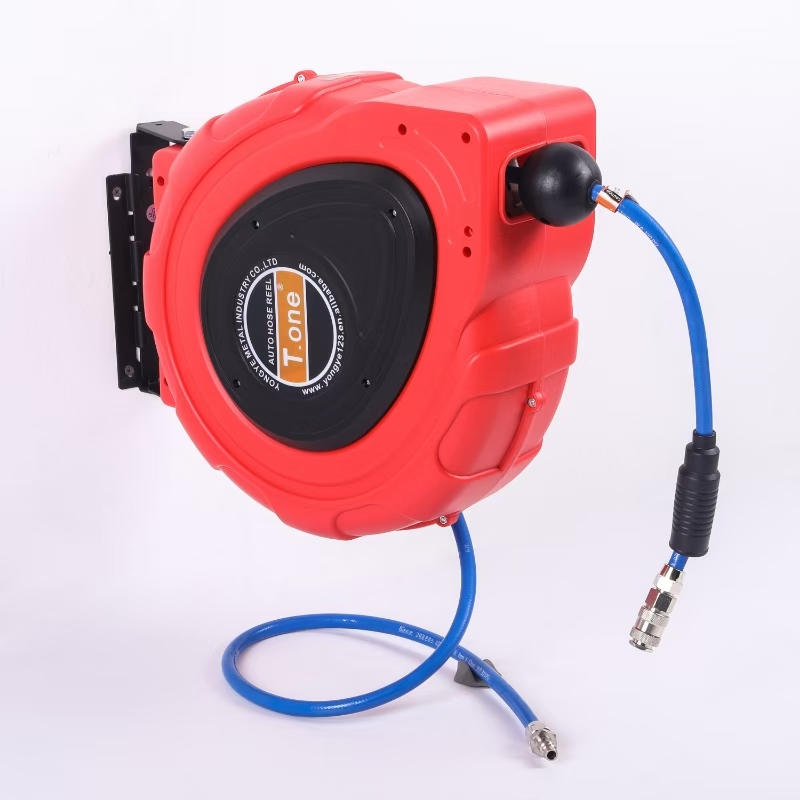
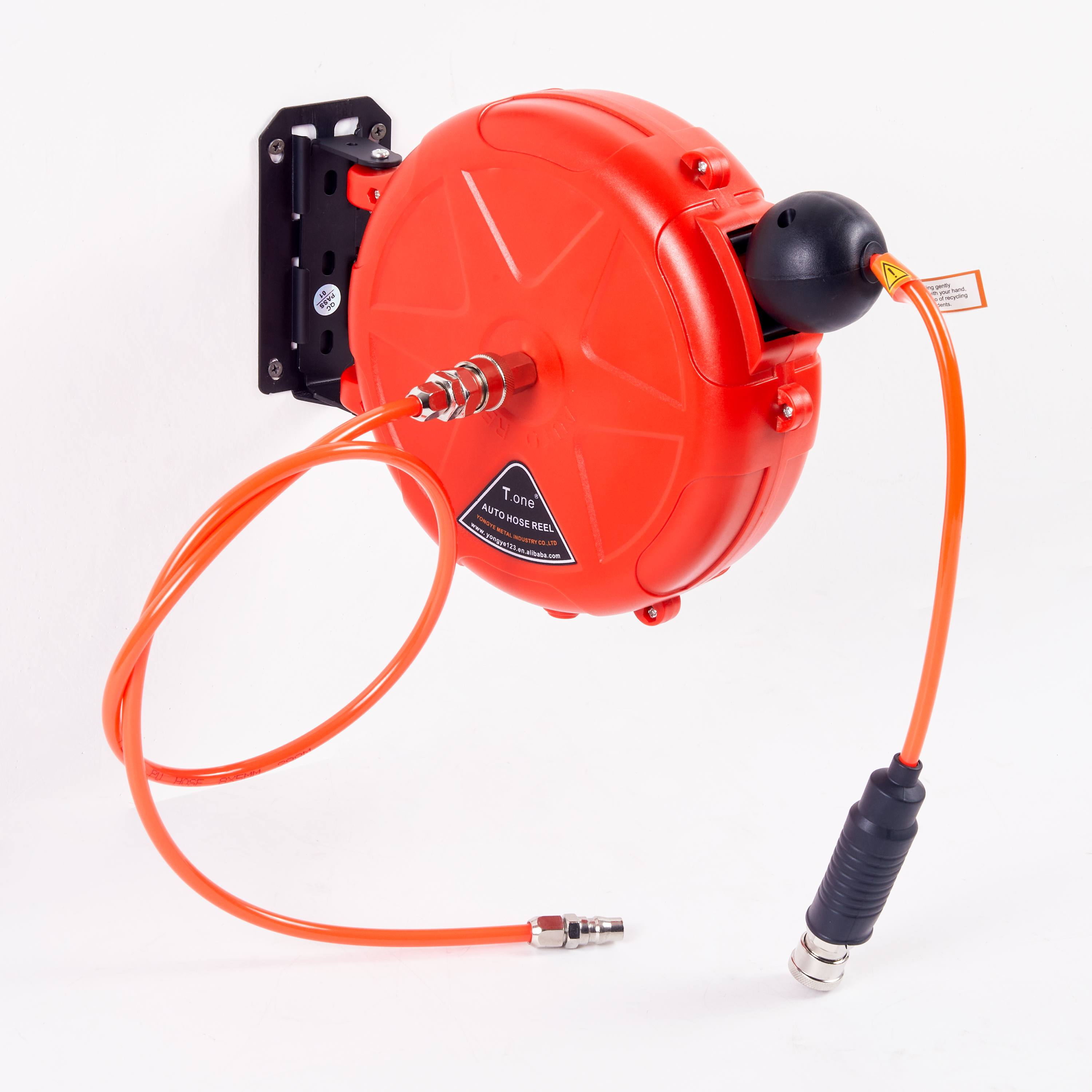
Retractable air hoses and reels are essential tools for various industrial and commercial applications, providing convenience and efficiency in managing air supply lines. When sourcing these products, purchasing managers, engineers, and other B2B buyers often seek quality, durability, and functionality to meet their specific requirements. This article will guide you through key considerations in selecting retractable air hose reels while highlighting practical insights that can aid in making informed purchasing decisions.
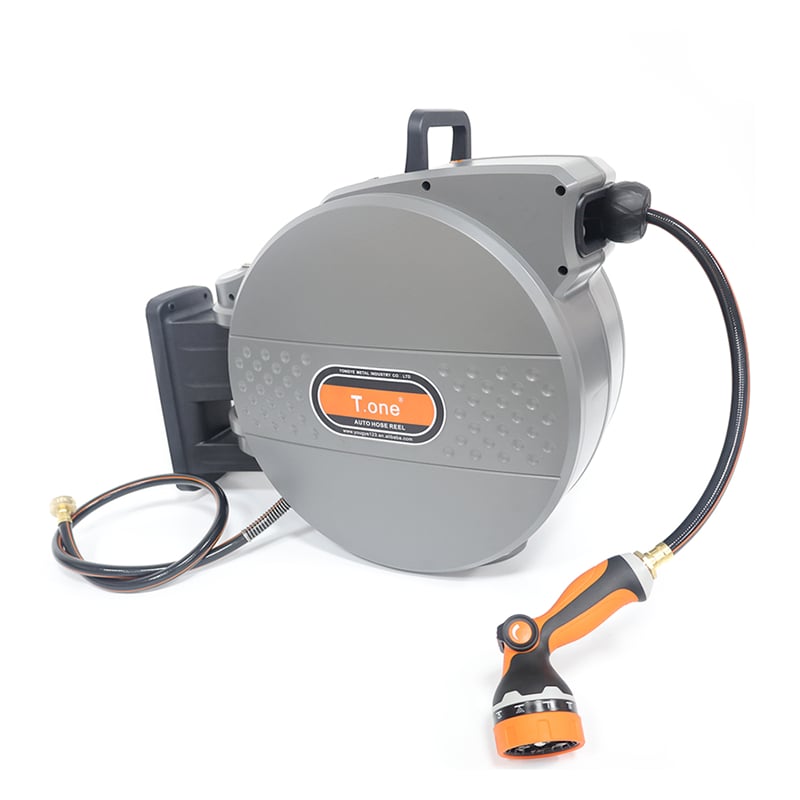


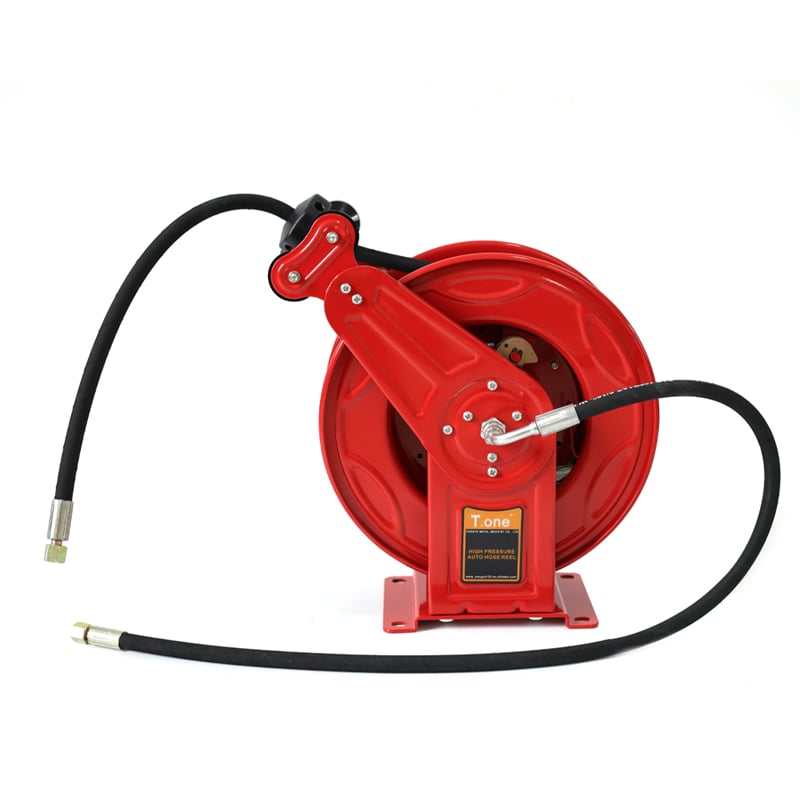


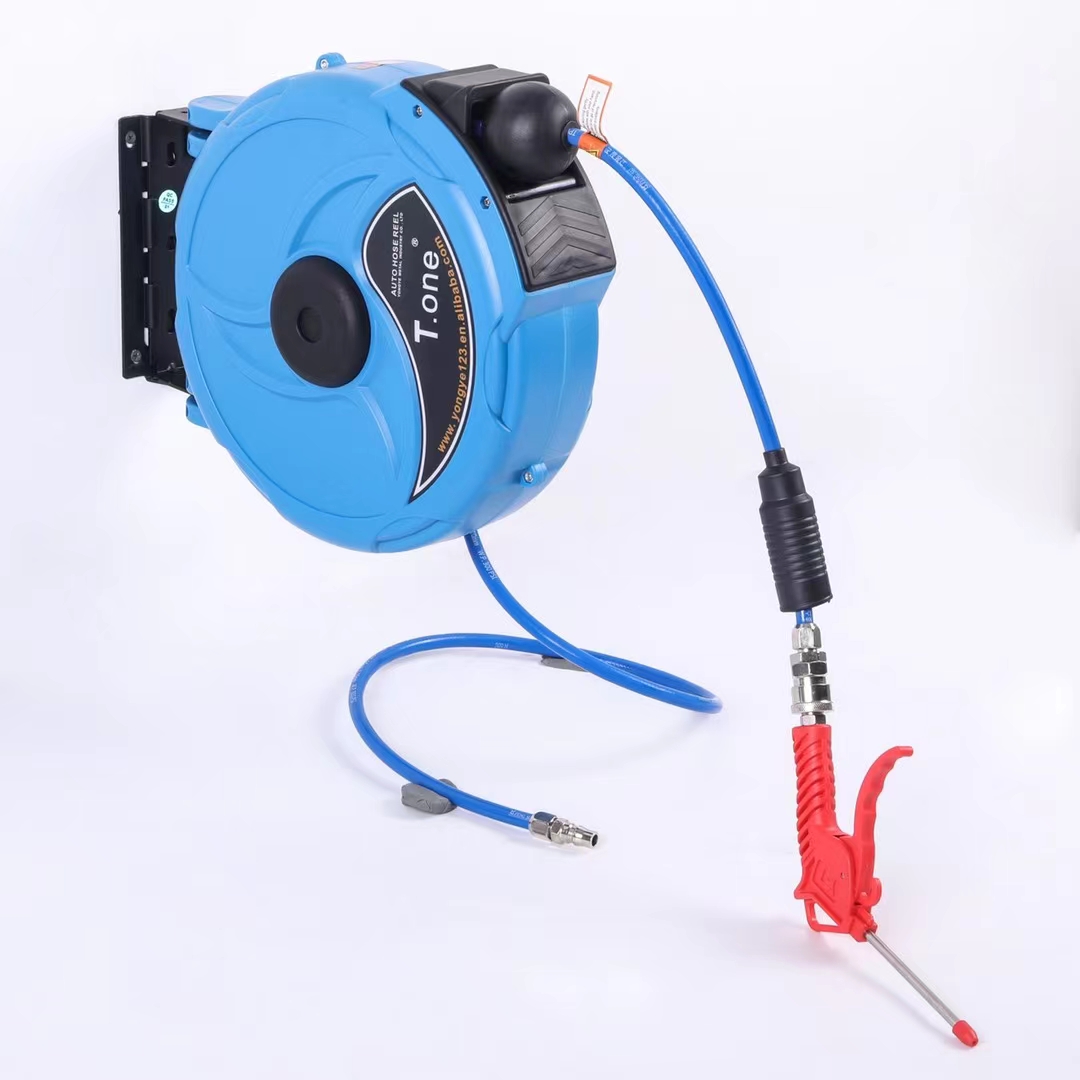
Key Specifications to Consider When Buying Air Hose Reels
Selecting the right retractable air hose reel involves understanding critical specifications that impact performance and compatibility with your application. Here are key factors to consider:
Hose Length and Diameter: Choose a hose that fits your workspace requirements. Lengths typically range from 25 to 100 feet, while diameters can vary from 1/4" to 1/2". Ensure the diameter matches the air compressor output to maintain optimal air pressure.
Material: The durability of the air hose and reel depends on the material used. Common materials include rubber, PVC, and polyurethane. For heavy-duty applications, rubber hoses are often preferred due to their resistance to wear and flexibility under various temperatures.
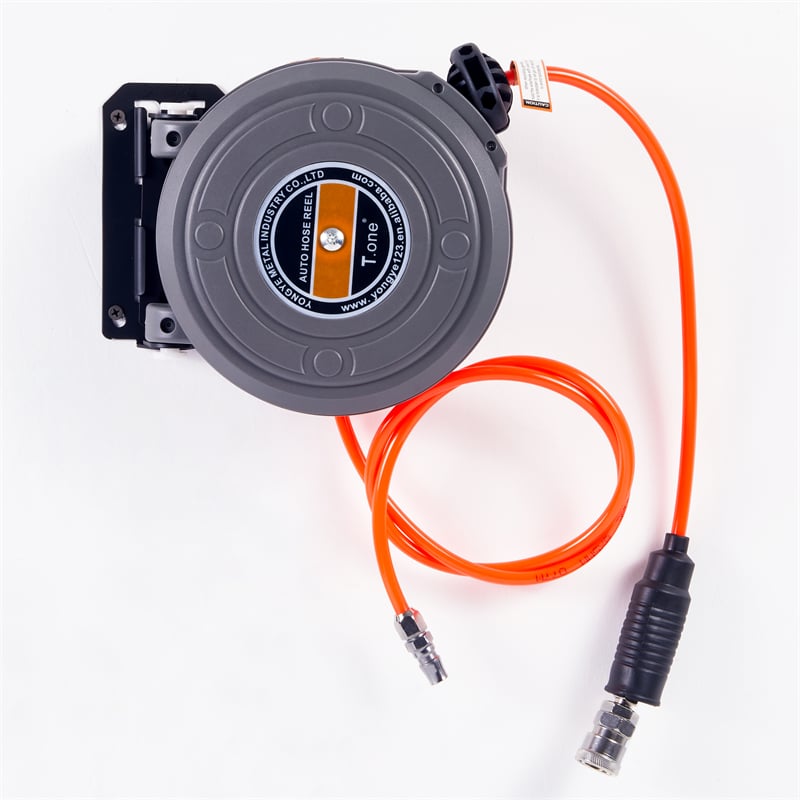
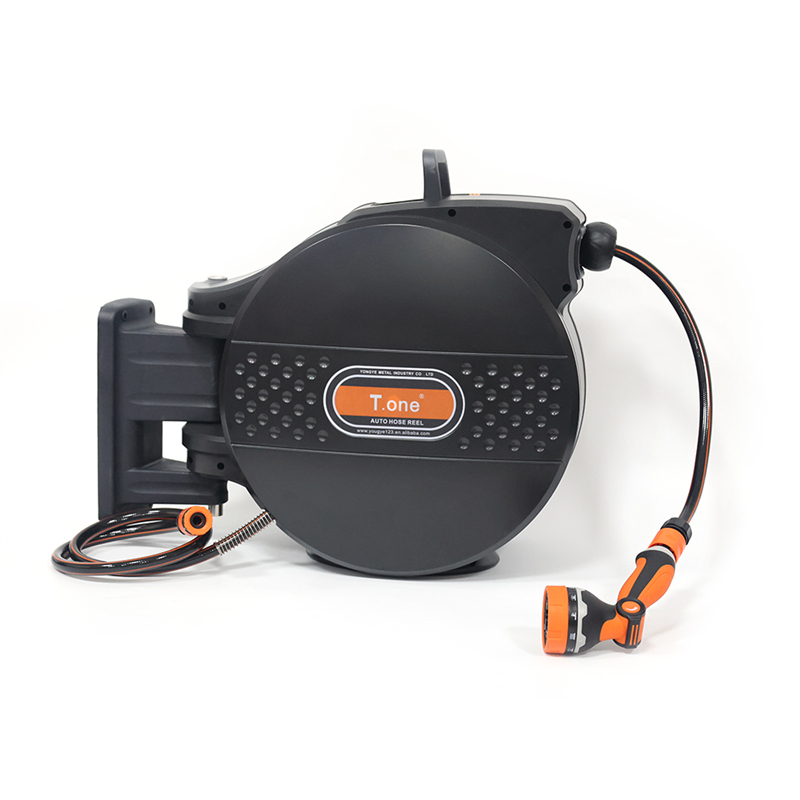
Reel Construction: Look for reels made from robust materials like steel or high-strength plastic. Steel reels provide greater durability and stability, especially in industrial settings, while lightweight plastic reels are easier to handle and install.
Pressure Rating: Ensure the reel can handle the maximum pressure required for your tools. Most air tools require a pressure range of 90 to 150 PSI, so verify that the reel’s specifications meet these demands.
Retroactive Mechanism: A reliable retractable mechanism is crucial for ease of use. Look for reels with smooth retraction systems and safety locks to prevent accidental unrolling.
Understanding these specifications helps ensure that the chosen retractable air hose reel meets both your operational needs and safety standards.