EN


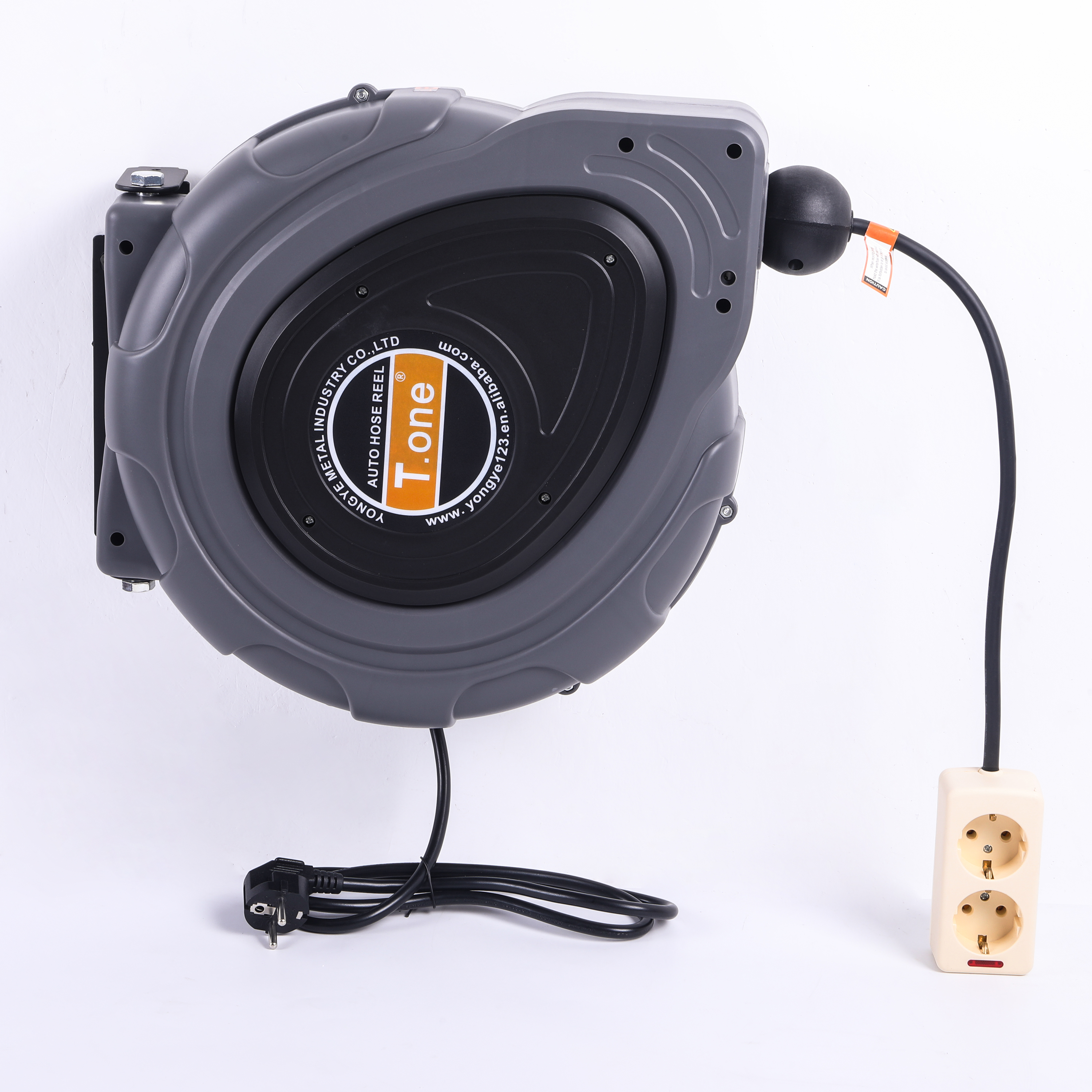
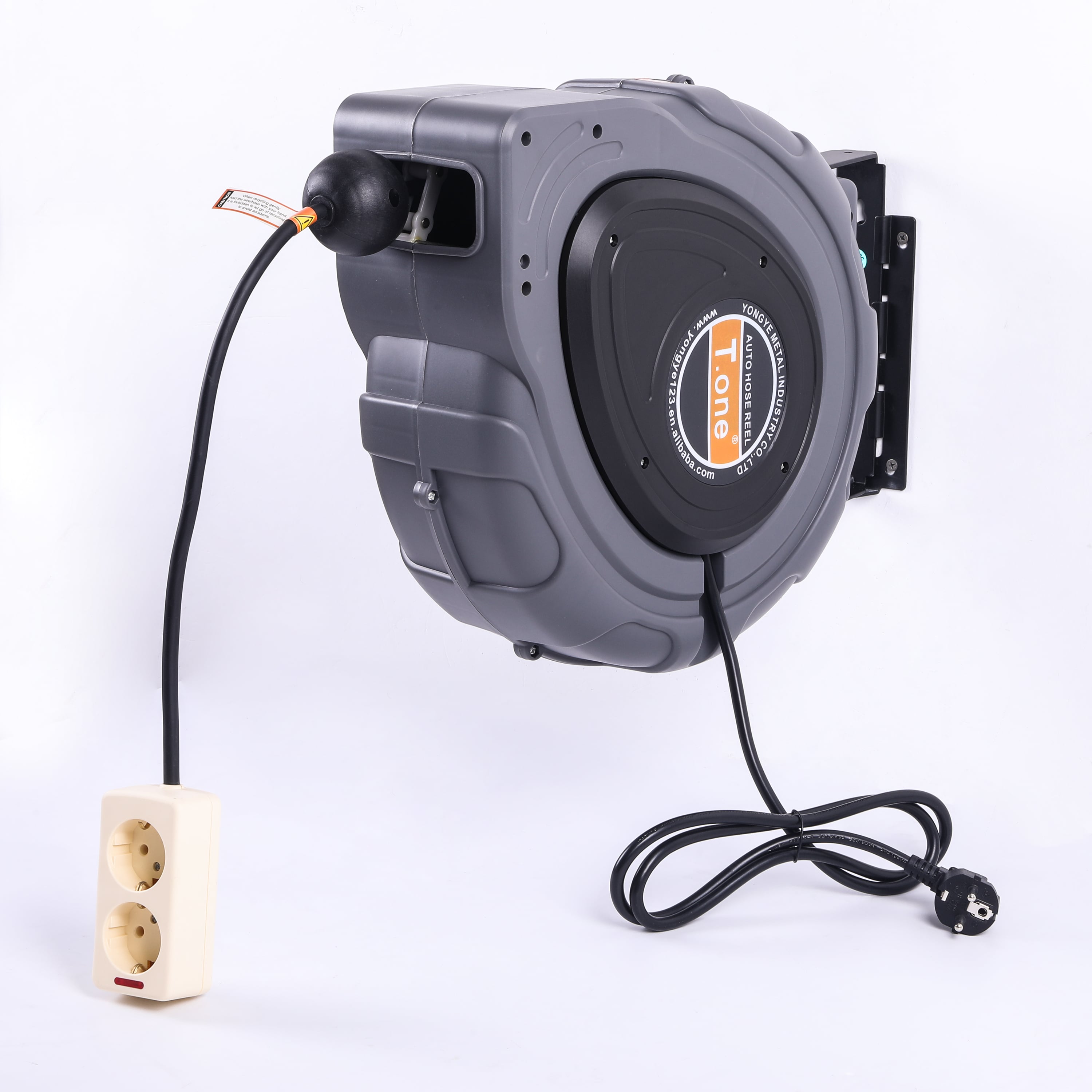
Power retractable hose reels are essential tools for various industries, offering convenience and efficiency in managing hoses. These devices automatically retract hoses when not in use, helping to eliminate tangling and clutter while enhancing safety. For B2B buyers, understanding the right specifications, installation guidelines, and cost factors is crucial in making informed purchasing decisions. This article will delve into how to choose the right power retractable hose reel, key specifications to consider, installation guidance, cost evaluation for bulk orders, and common problems along with their solutions.
Top Specifications to Consider When Sourcing Power Retractable Hose Reels
When sourcing power retractable hose reels, several specifications are critical to ensure optimal performance and durability.
Hose Capacity: This refers to the maximum length and diameter of the hose that the reel can accommodate. For example, a reel designed for a 1/2 inch diameter hose typically has a capacity ranging from 50 to 100 feet, depending on the model.
Material: The construction material greatly influences the reel's longevity. Metal reels, such as those made from aluminum or steel, are typically more robust and suitable for heavy-duty applications compared to plastic options, which may be more lightweight and suited for lighter tasks.
Rewind Mechanism: Look for reels with a reliable and efficient rewind mechanism. Spring-driven or motorized options each have distinct advantages. Motorized reels may offer more power and convenience, while spring-driven models are generally lower in cost and easier to maintain.
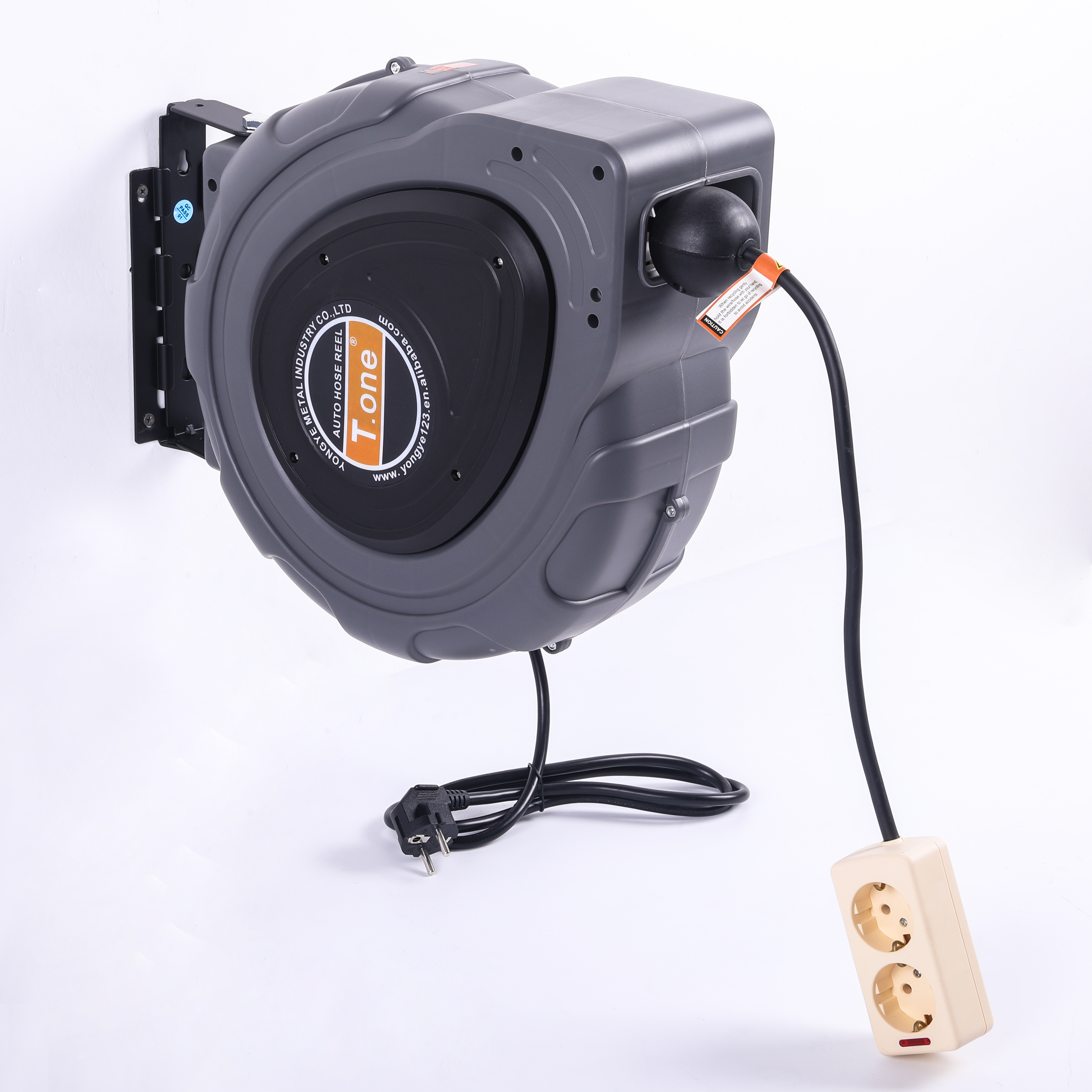
Mounting Options: Consider whether you need a wall-mounted or portable reel. Wall-mounted options save space and keep hoses organized, while portable reels offer flexibility for different worksite locations. If you're seeking a portable solution, the Portable Garden Car Washing Equipment Water Hose Reel might meet your needs.
Pressure Rating: Ensure that the hose reel can handle the pressure levels applicable to your hoses. Most industrial applications require pressure ratings of at least 300 to 500 psi, but this can vary based on specific applications.