EN


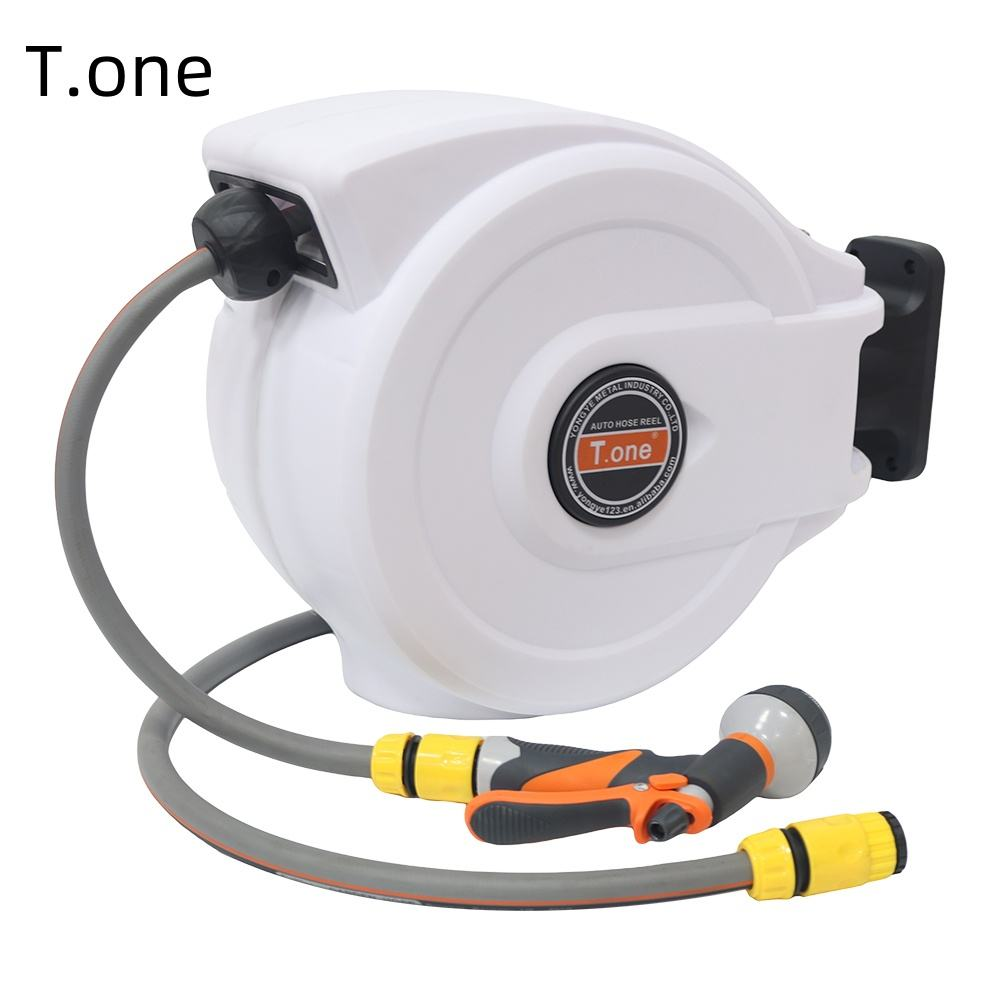
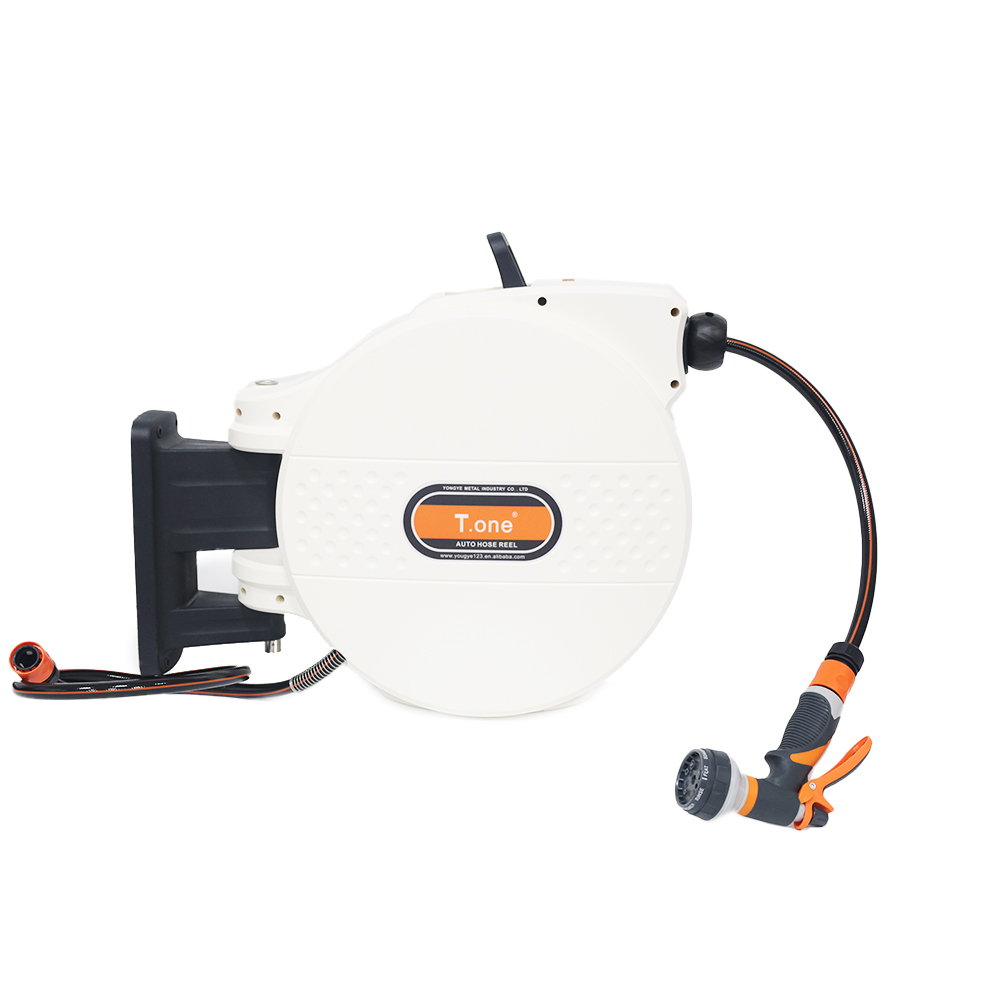
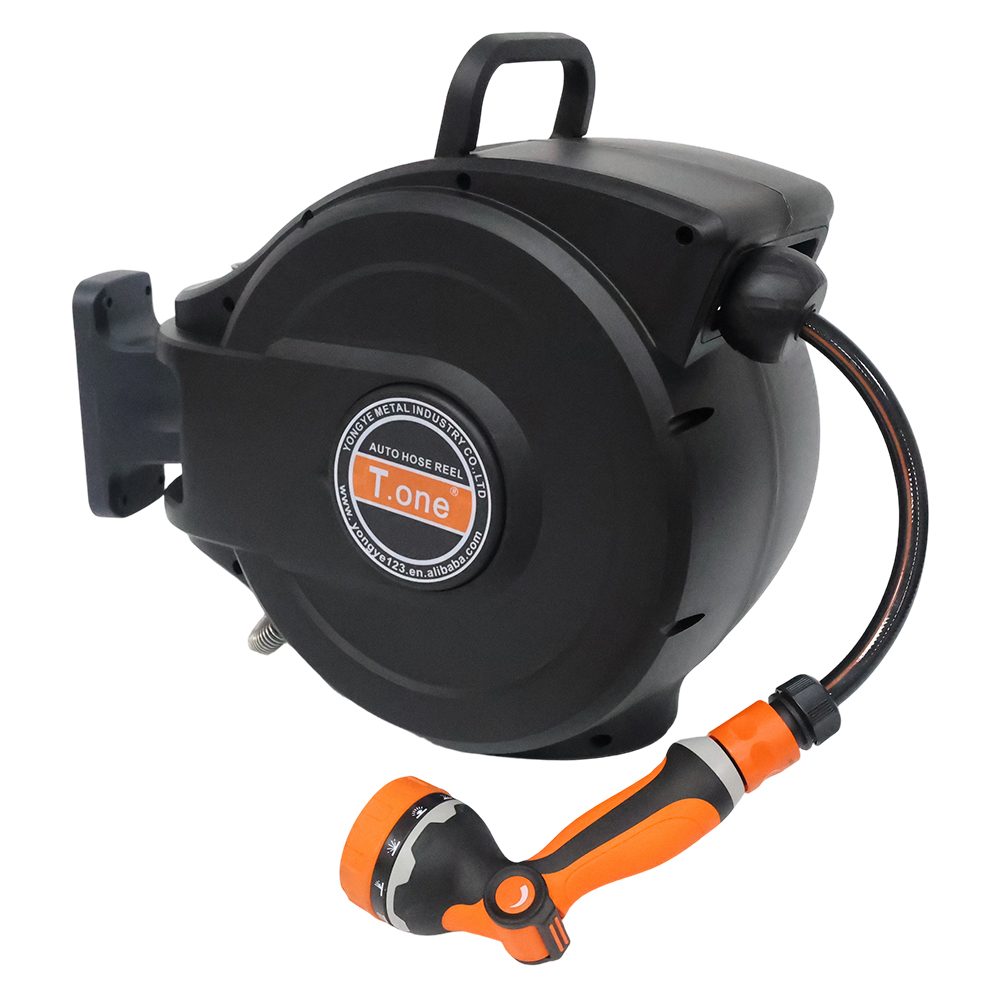
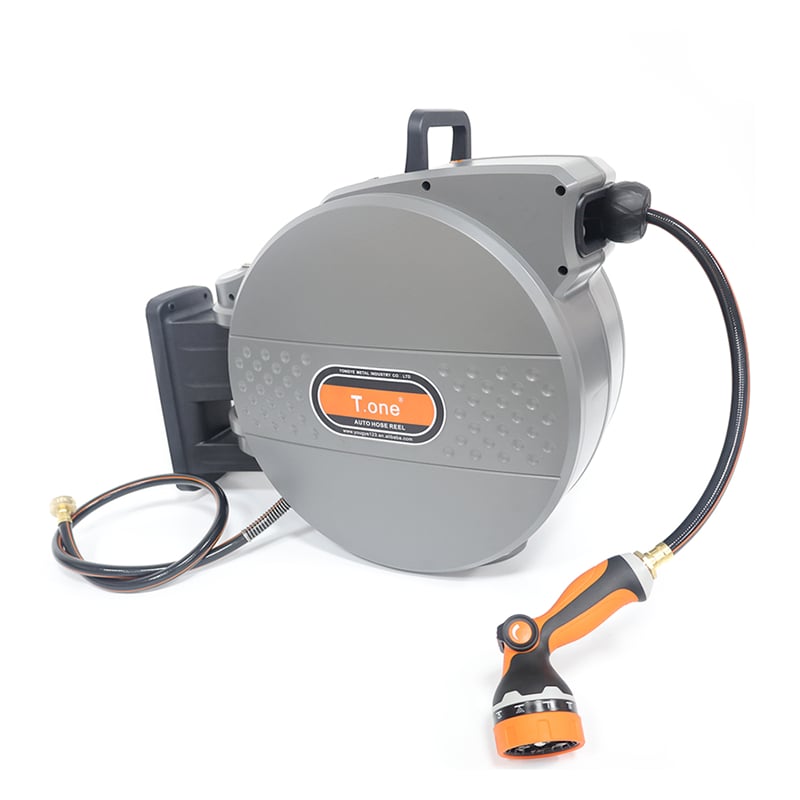
Portable garden hoses are essential tools for both commercial and residential gardening, enabling efficient watering and maintenance in a variety of settings. For B2B buyers such as purchasing managers and distributors, understanding the specifications, quality, materials, and installation of portable garden hoses is crucial for making informed purchasing decisions. This article will delve into important aspects of Yongye portable hose reel garden hose including top specifications to consider, quality evaluation methods, material advantages, installation guidance, and common problems along with their solutions.
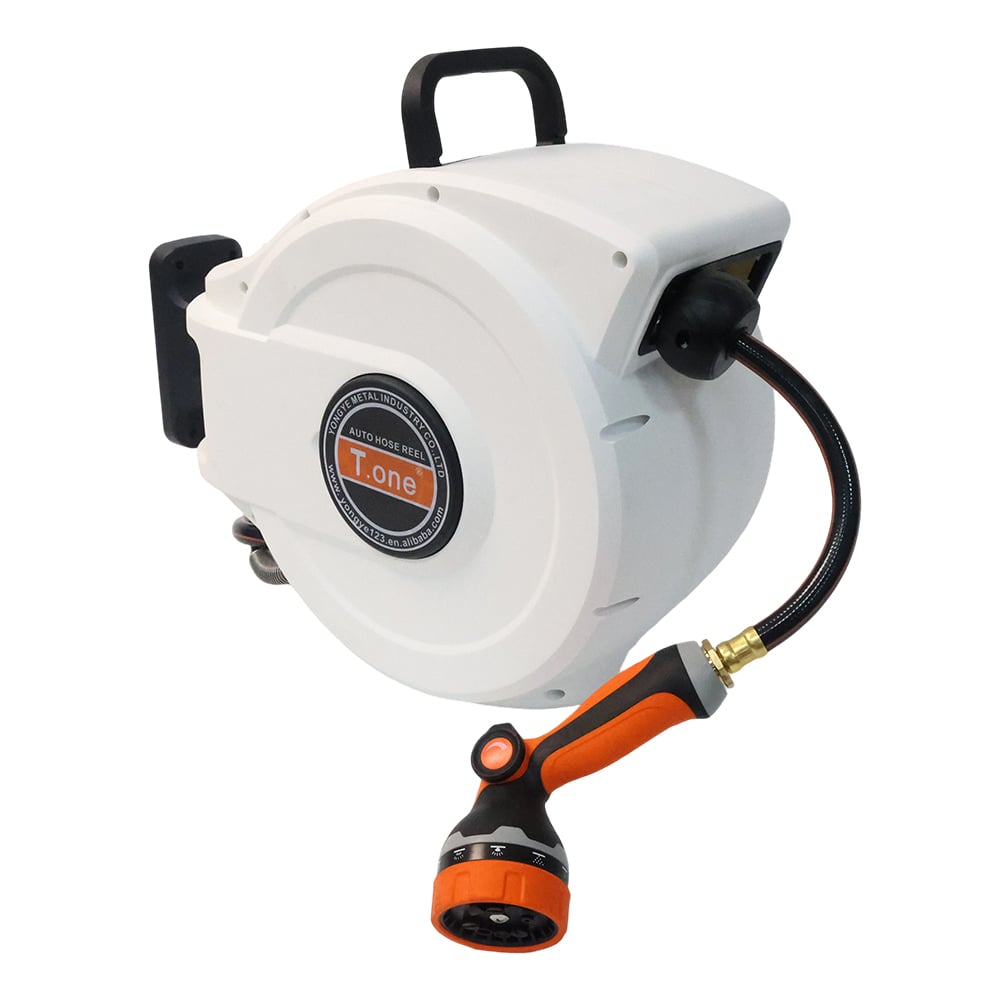
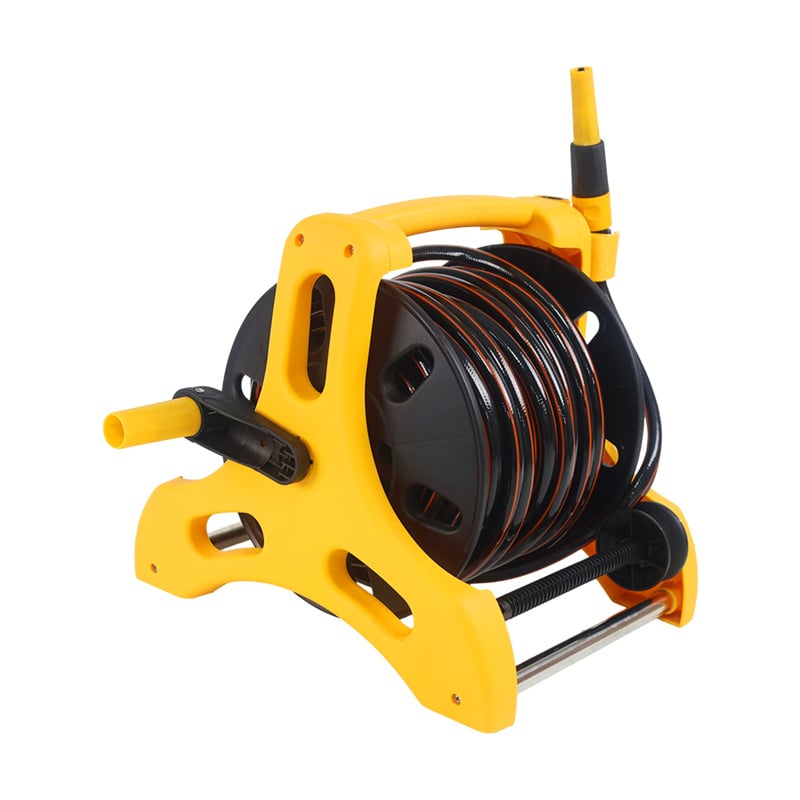
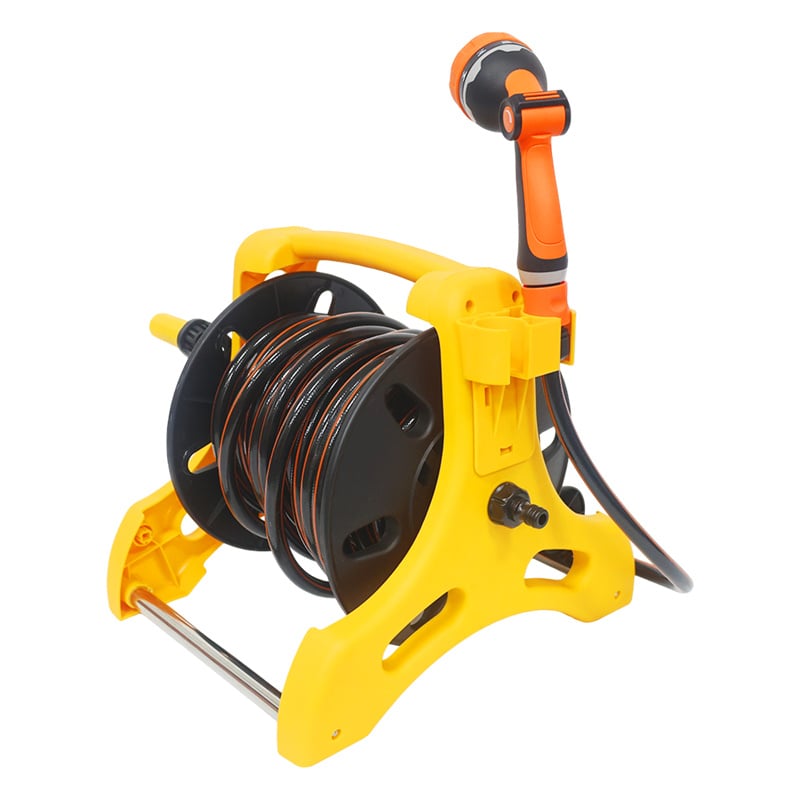
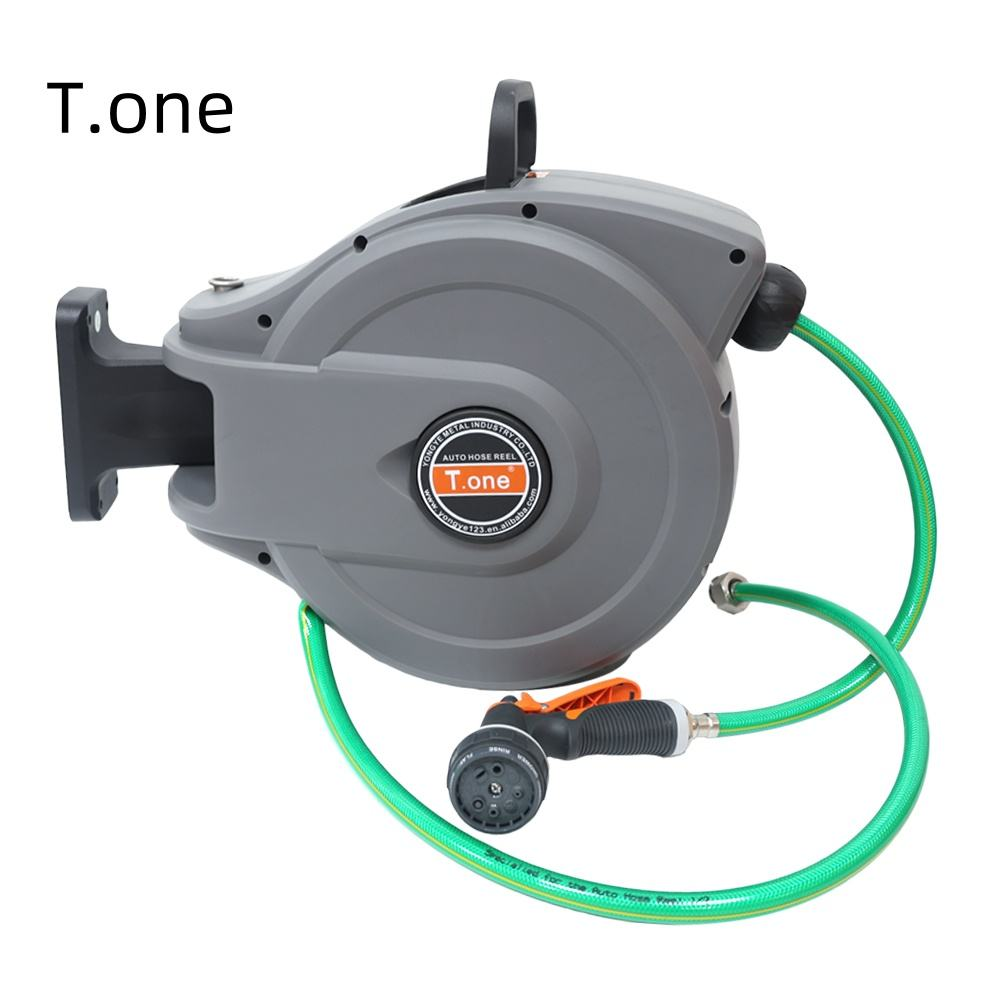
Evaluating the Quality of Portable Garden Hoses for Bulk Orders
Quality evaluation is a critical step for bulk orders of portable garden hoses. Here are some practical methods for assessing quality:
Material Inspection: High-quality hoses are typically made from materials like PVC, polyurethane, or rubber. PVC hoses are lightweight and flexible, while rubber hoses often offer greater durability and resistance to kinking. Conducting a tactile inspection can help buyers assess the material's thickness and flexibility.
Testing for Kink Resistance: A common problem with garden hoses is kinking, which can impede water flow. Buyers should ask for samples and perform a basic kink test by bending the garden hose reel and hose at various angles to observe its performance under stress.
Warranty and Certifications: Reliable manufacturers often provide warranties that reflect their confidence in product quality. Certifications from recognized organizations can also assure buyers of compliance with industry standards regarding safety and performance.
User Reviews and Testimonials: Gathering feedback from existing users can provide insights into real-world performance and longevity. This qualitative data complements technical specifications and helps buyers gauge expected performance.
These evaluation techniques will assist buyers in making informed decisions, minimizing the risk of purchasing substandard products.