EN


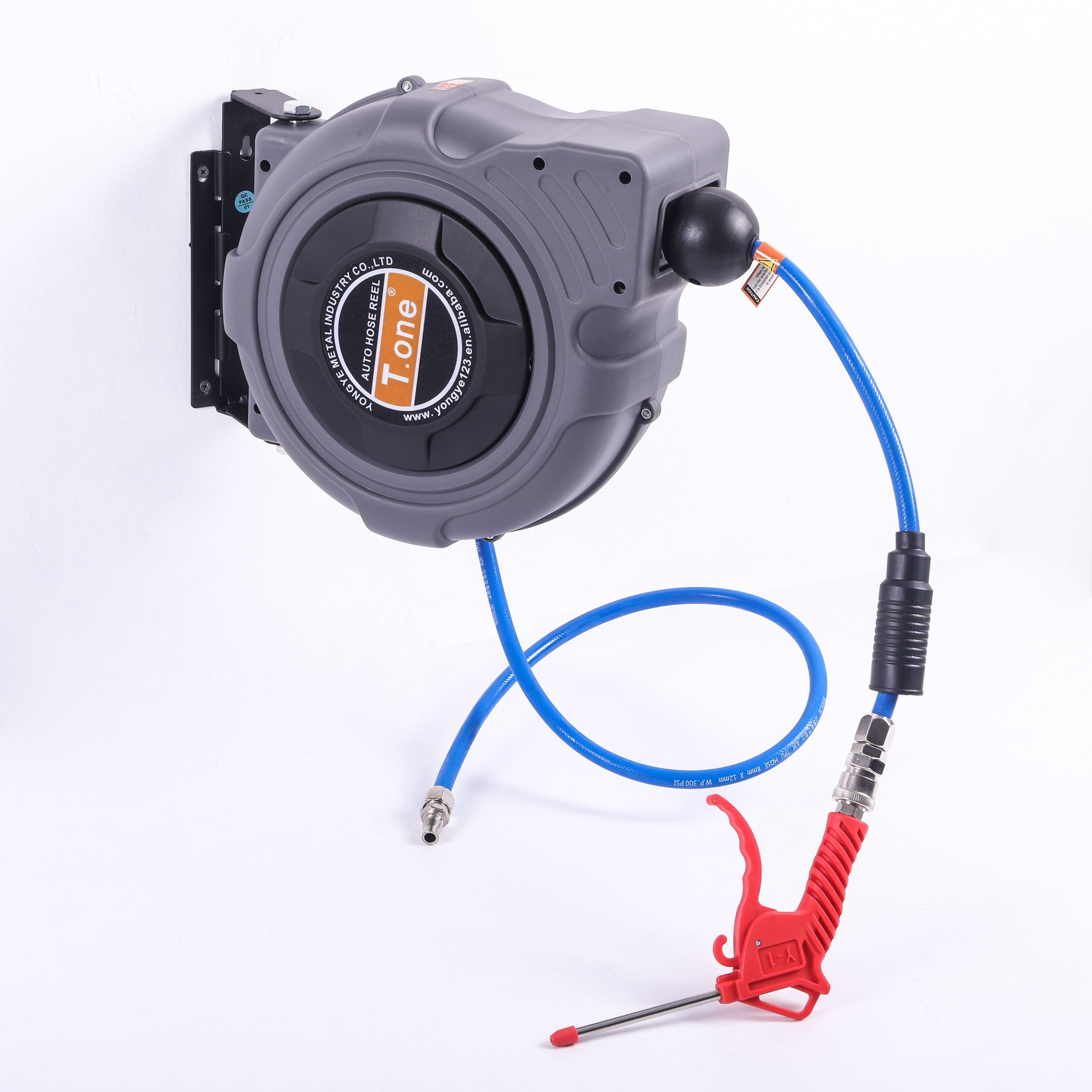
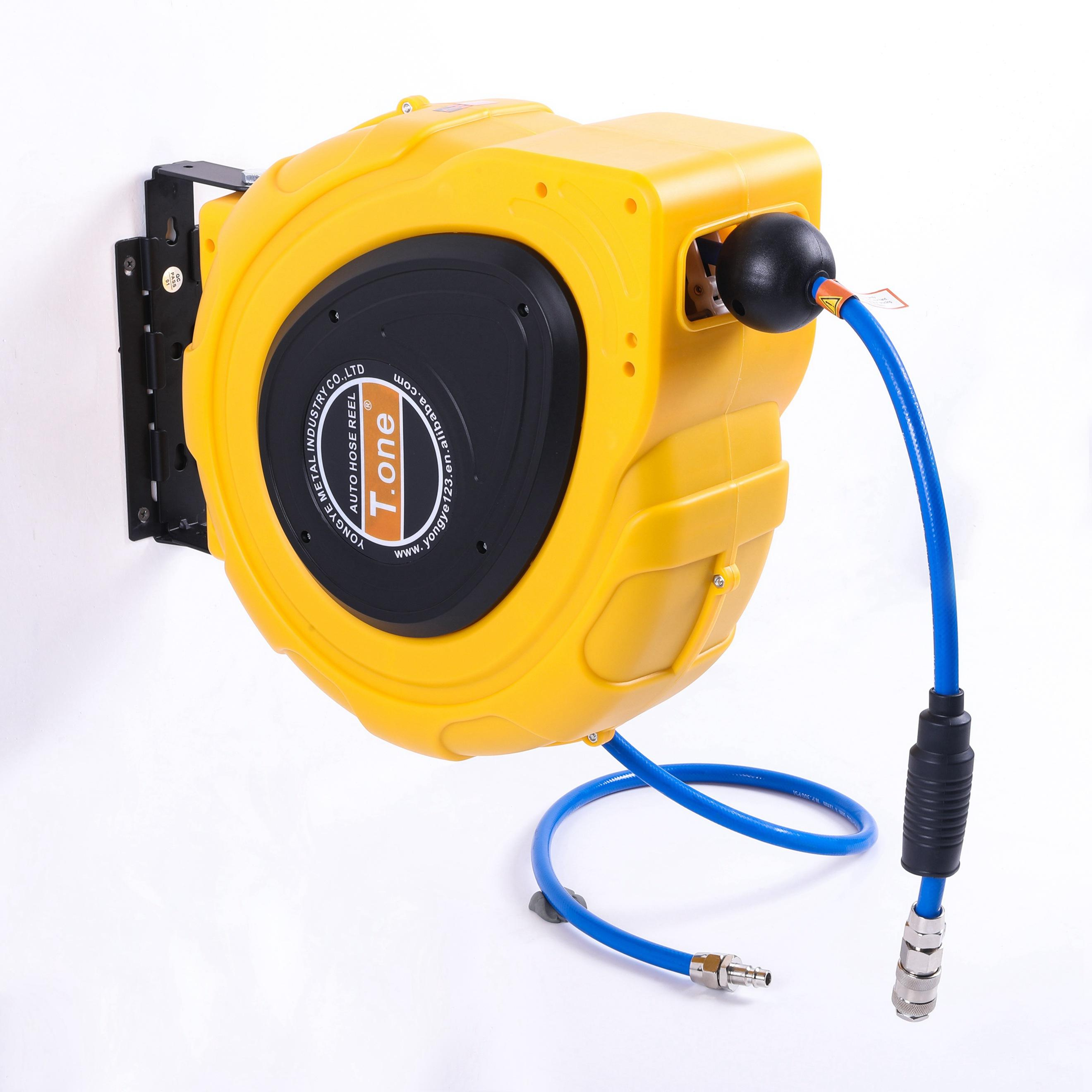
Hose to reel connectors play a crucial role in various industrial applications, allowing for the efficient transfer of fluids and gases between hoses and reels. For purchasing managers and engineers, understanding the key specifications and quality indicators of these connectors is vital to ensure optimal performance and reliability. We will delve into the essential aspects of hose to reel connectors, including specifications, quality evaluation, supplier selection, practical applications, and more.
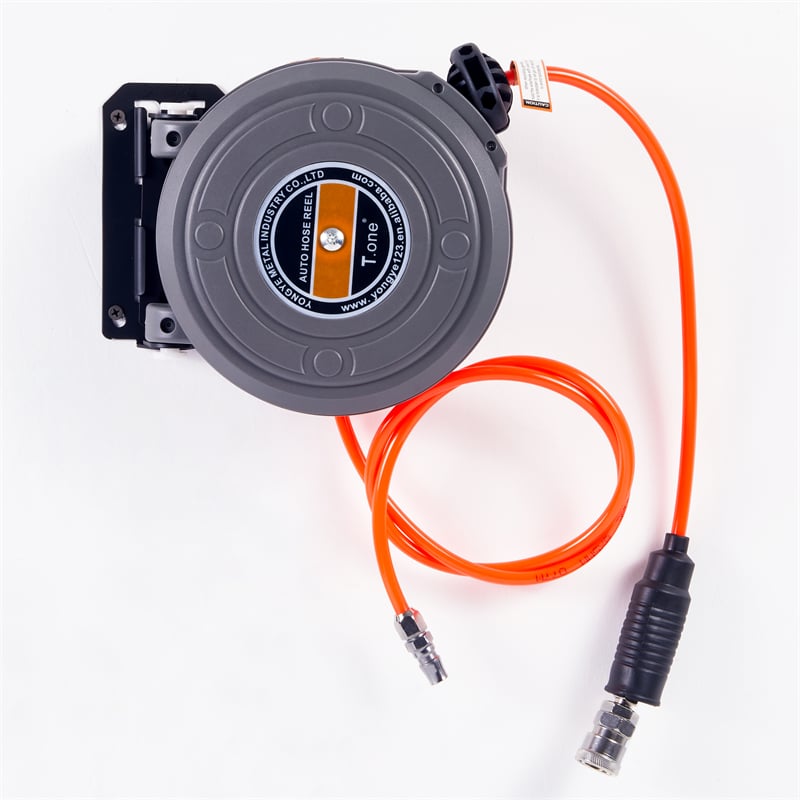
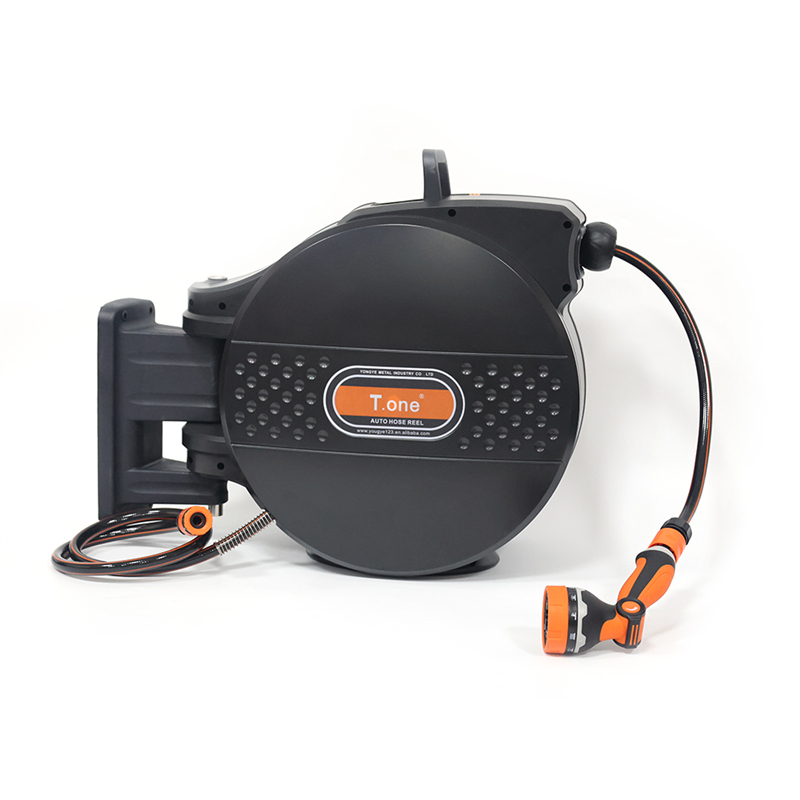
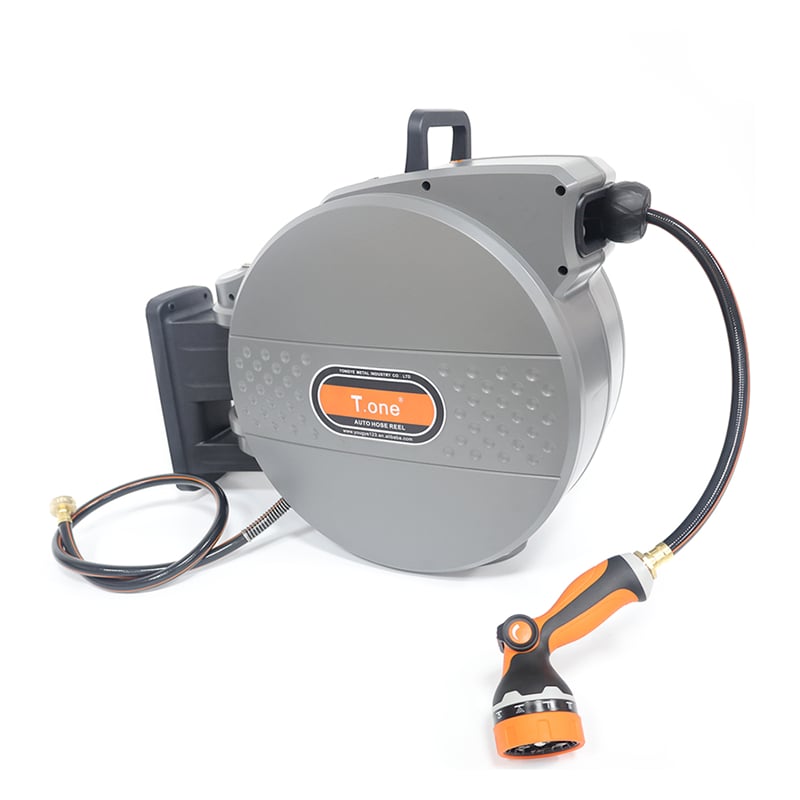
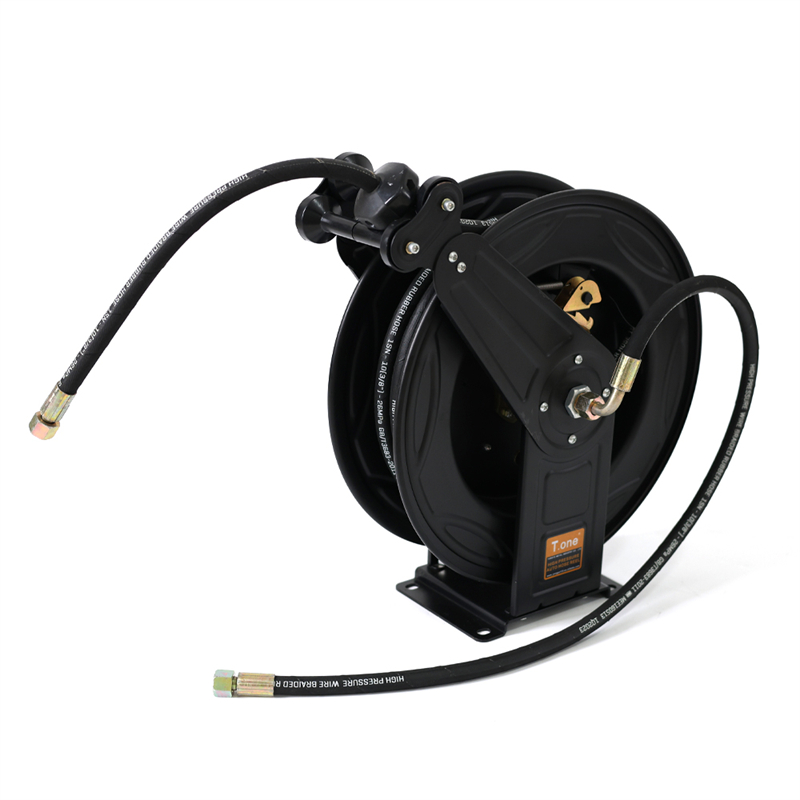
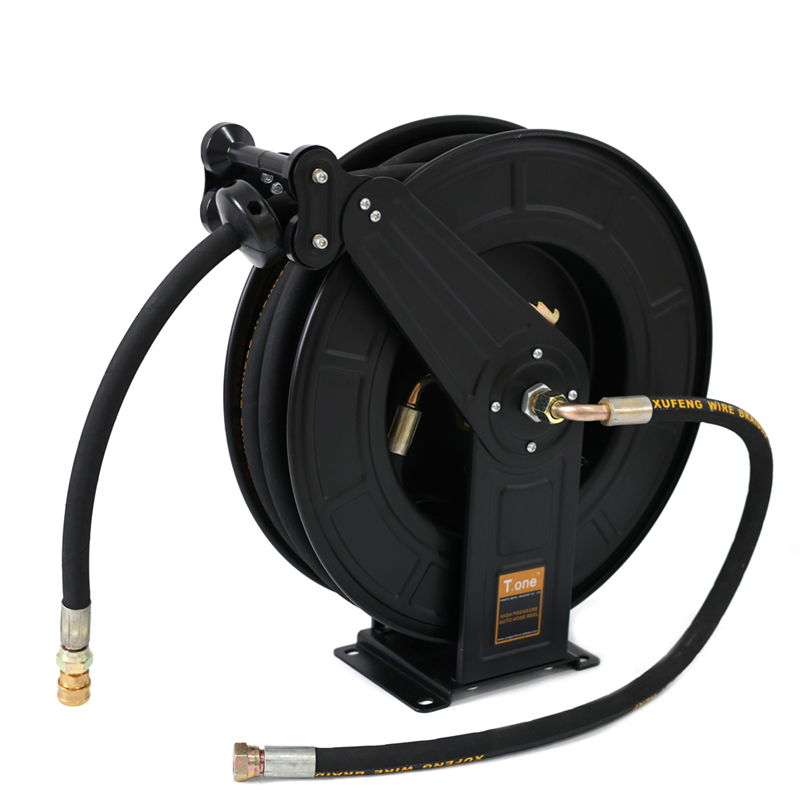
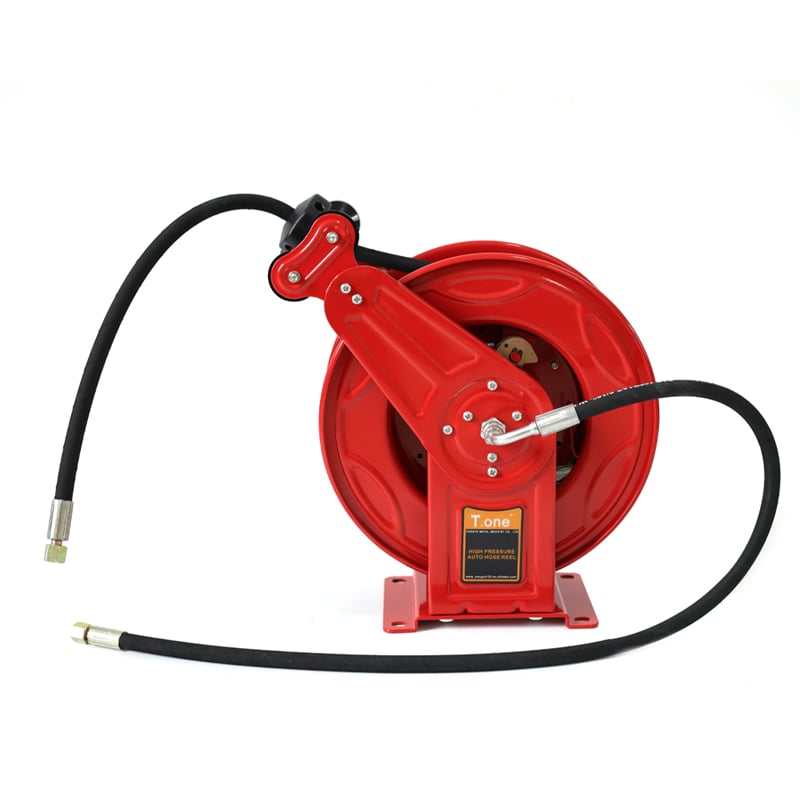
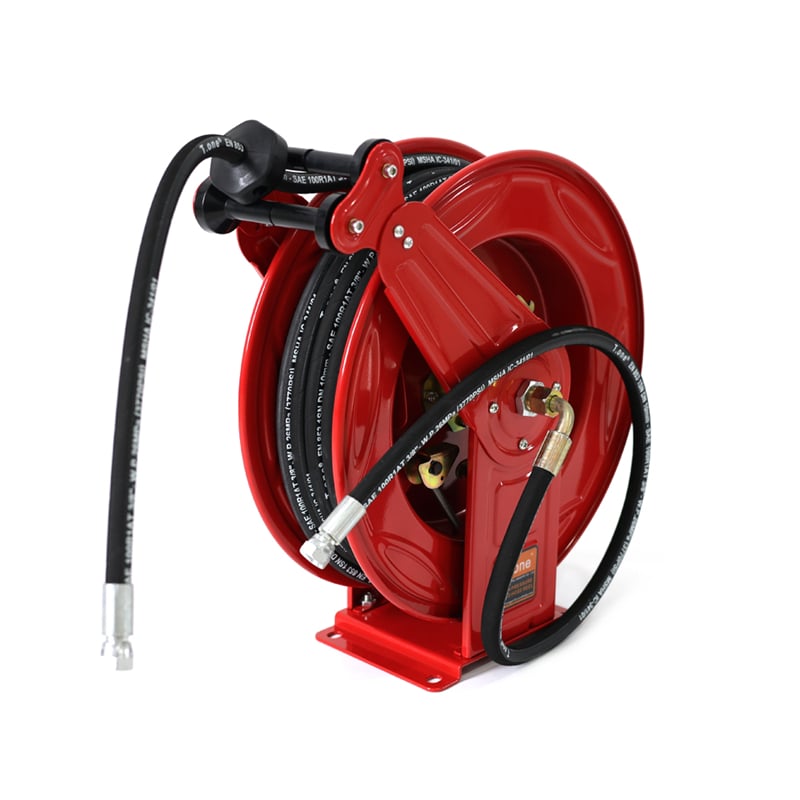
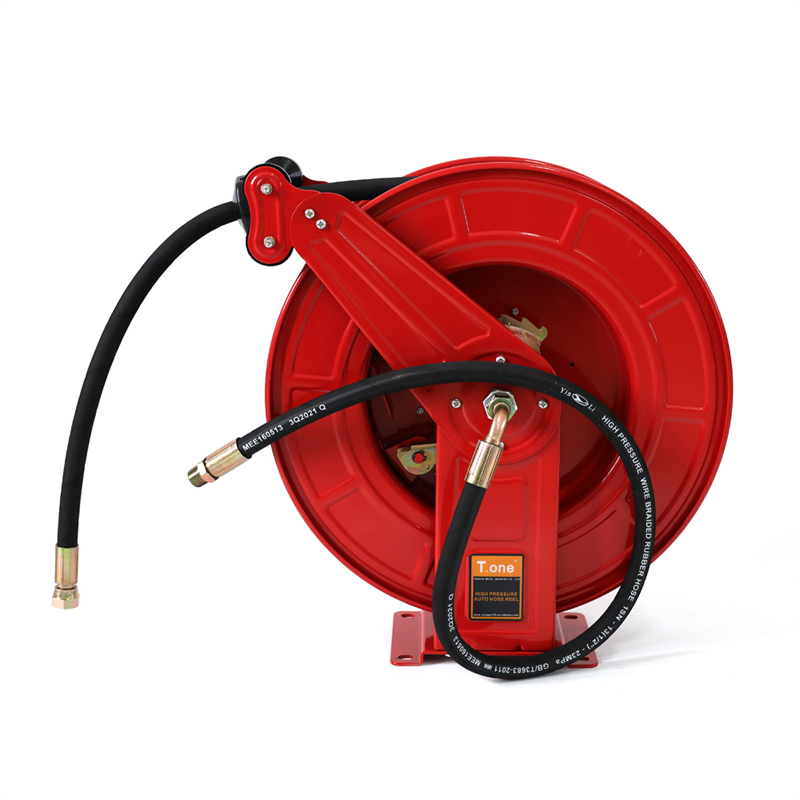
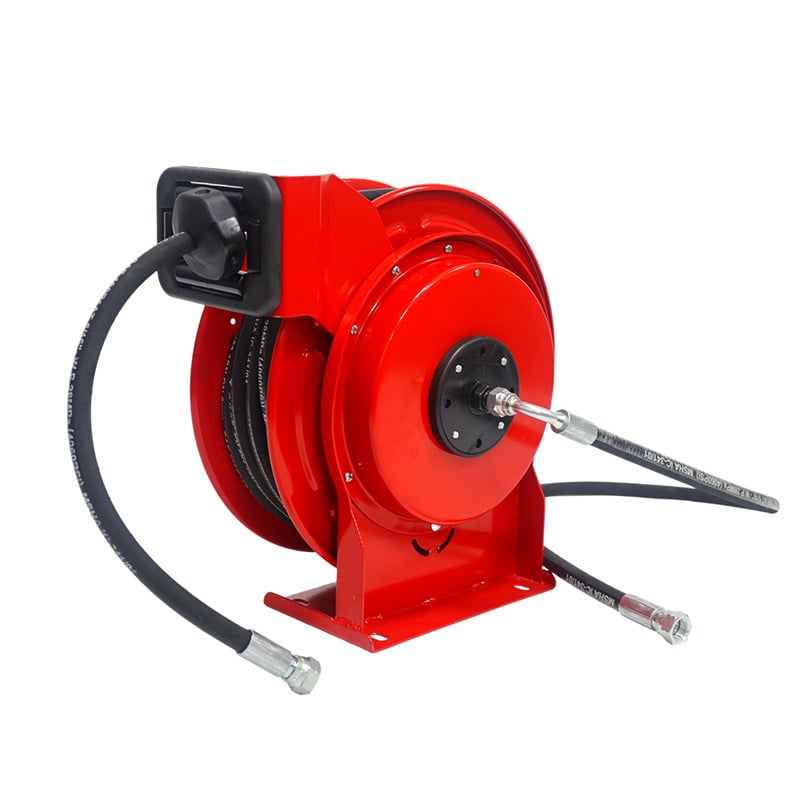
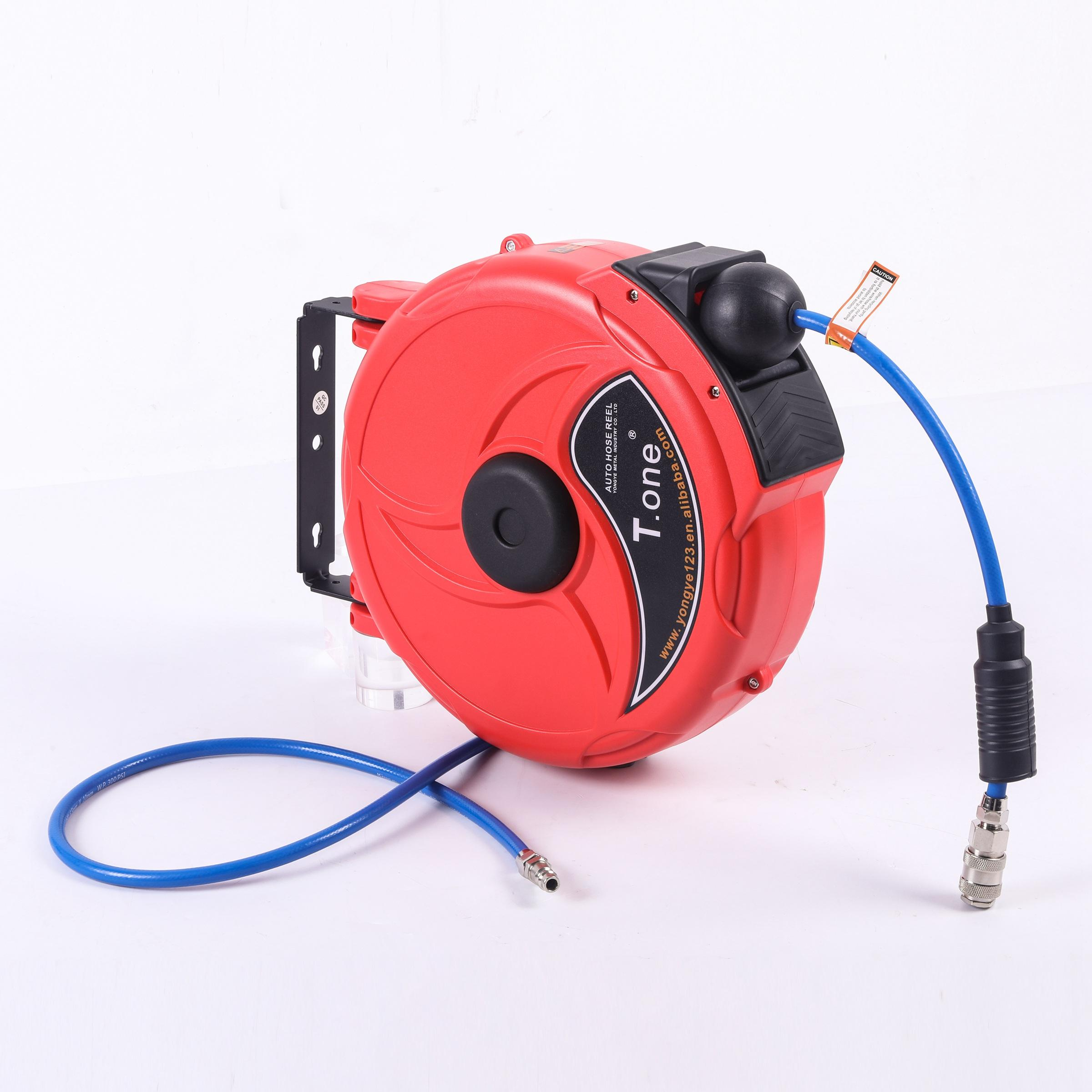
How to Evaluate the Quality of Hose to Reel Connectors
Evaluating the quality of hose to reel connectors involves several steps:
Certification and Compliance: Check for industry certifications that ensure quality and safety standards are met. Connectors should comply with relevant industry regulations, such as ISO or ASTM standards, which indicate that they have been tested for durability and reliability.
Manufacturing Process: Investigate the manufacturing techniques used by suppliers. Advanced die casting and automated processes can enhance product consistency. YONGYE Metal Industrial Co., Ltd., for example, leverages military-grade equipment for precision and quality.
Quality Control Procedures: A robust quality control process is vital. Ask about the supplier's inspection methods, including testing for leaks, pressure testing, and dimensional inspections. Ensuring that these processes are in place can help prevent defects from reaching the market.
Material Quality: Inquire about the grade of materials used in the connectors. Higher-quality materials typically indicate better performance and longevity. For instance, connectors made from corrosion-resistant materials are more likely to withstand harsh environments.
Customer Feedback and Reviews: Research customer reviews and testimonials. Feedback from other users can provide insights into the performance and reliability of the connectors in real-world applications.
By following these steps, you can assess the quality of hose to reel connectors and select products that meet your operational needs.