EN


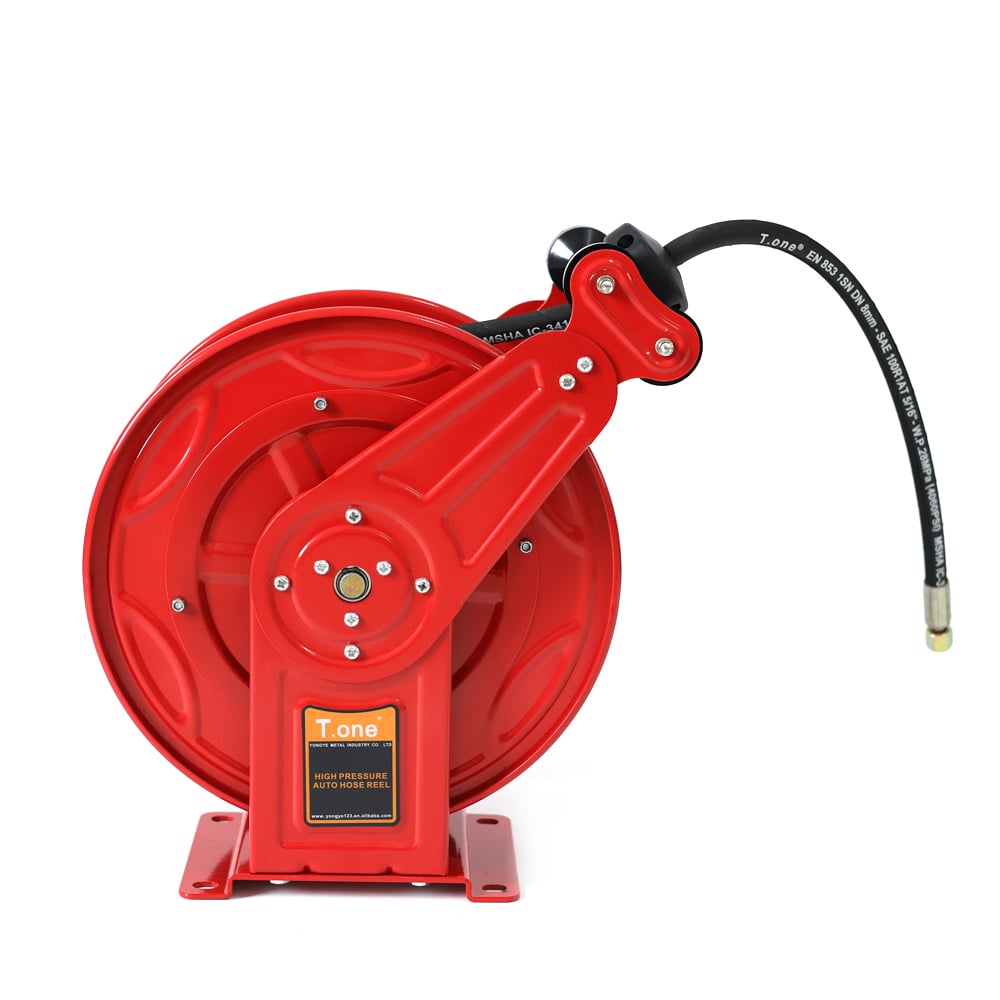
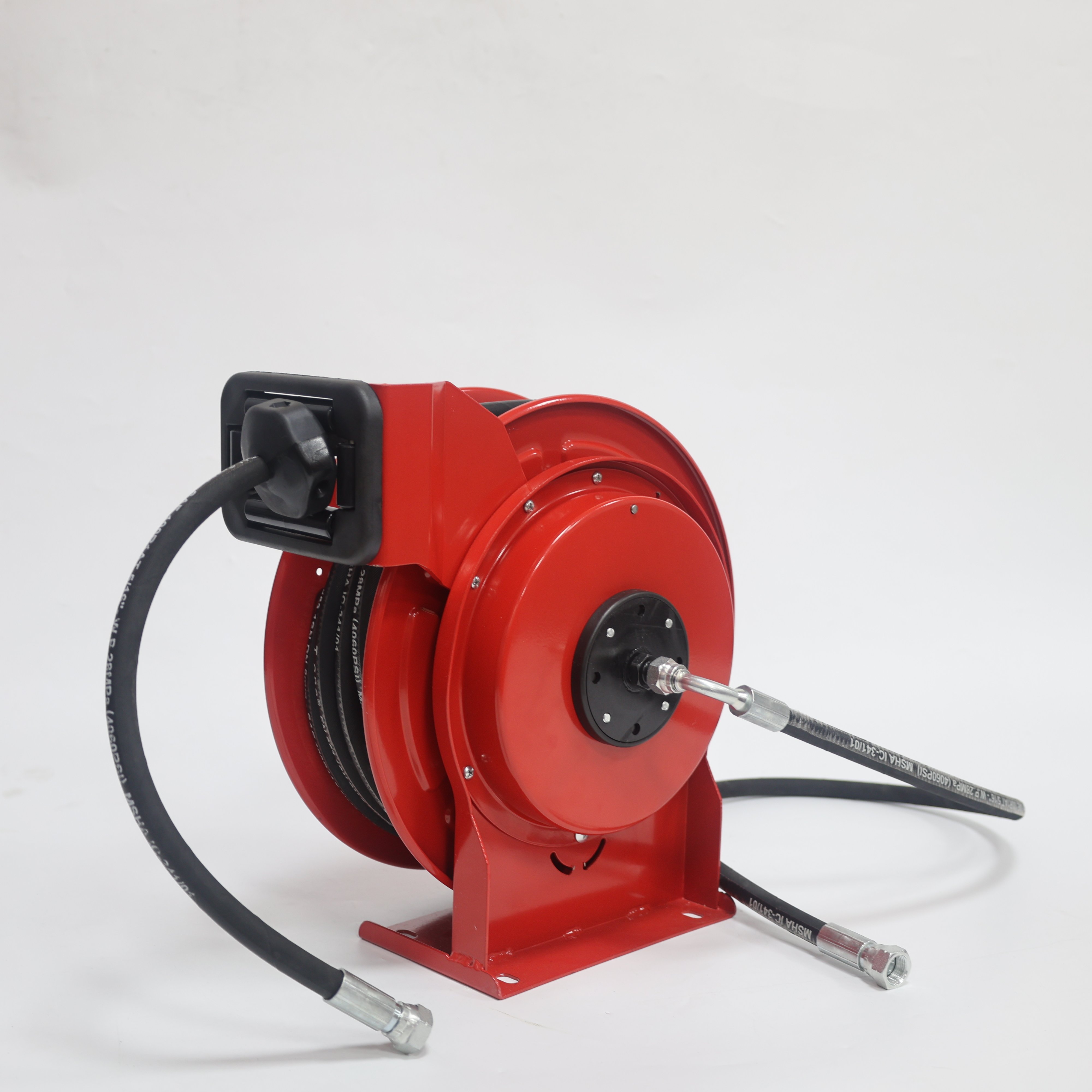
When considering a hose reel compressor, it’s essential to understand its functionality and application within various industries. A hose reel compressor is a vital tool that allows for efficient air management and distribution in commercial and industrial settings. Buyers often have concerns about specifications, compatibility with existing systems, and overall reliability. This article aims to clarify what to consider when choosing a hose reel compressor, compare different models, highlight key features, discuss cost factors in purchasing hose reel compressors, and explore its applications of hose reel compressors across industries.
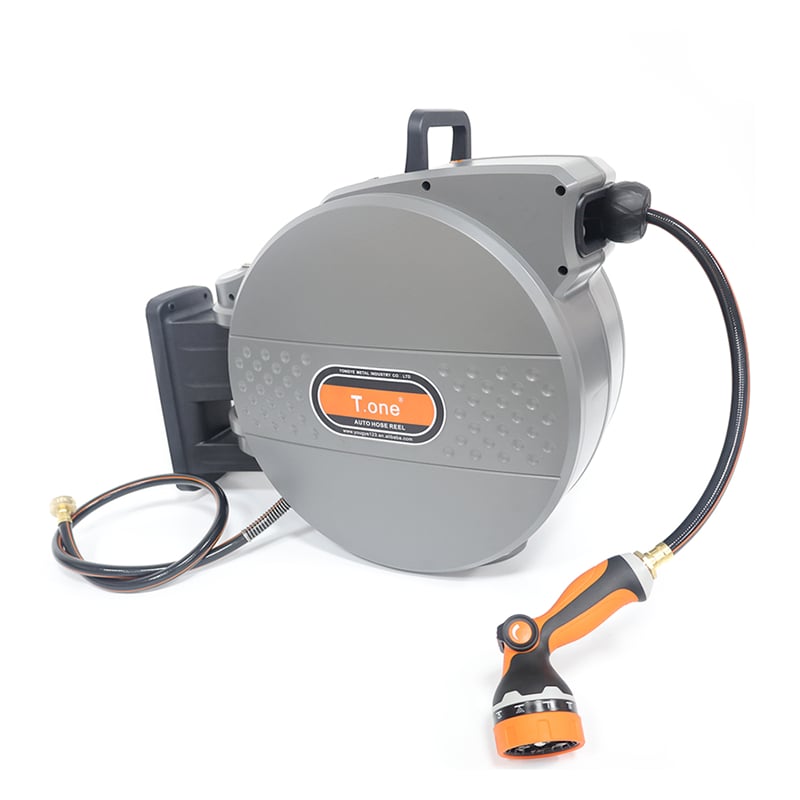


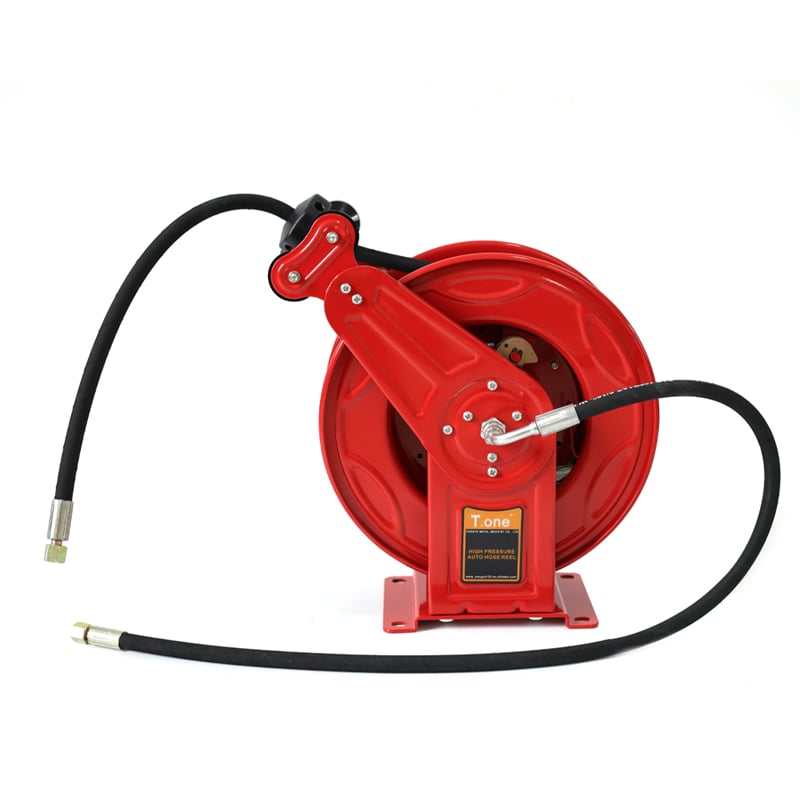


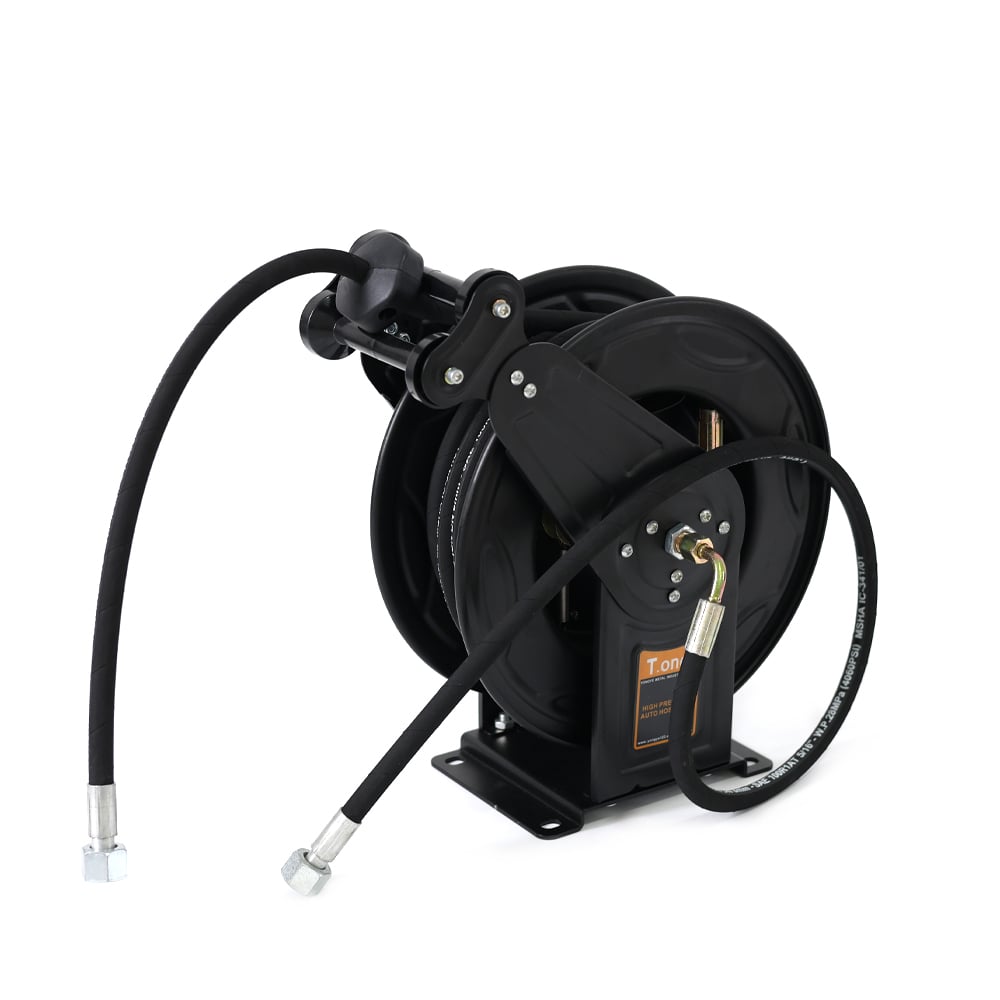
How to Compare Hose Reel Compressors for Your Projects
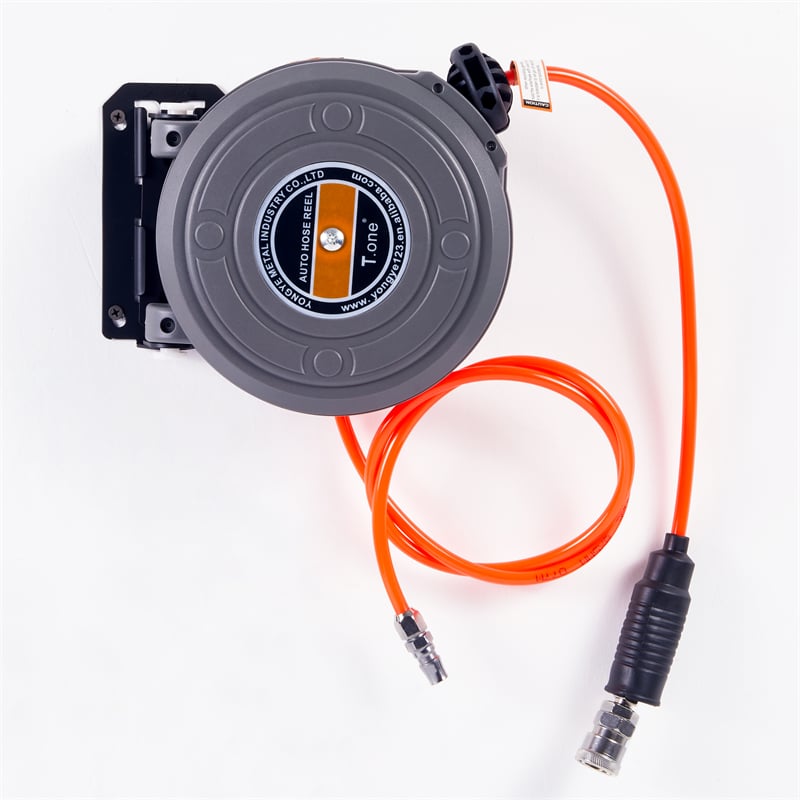
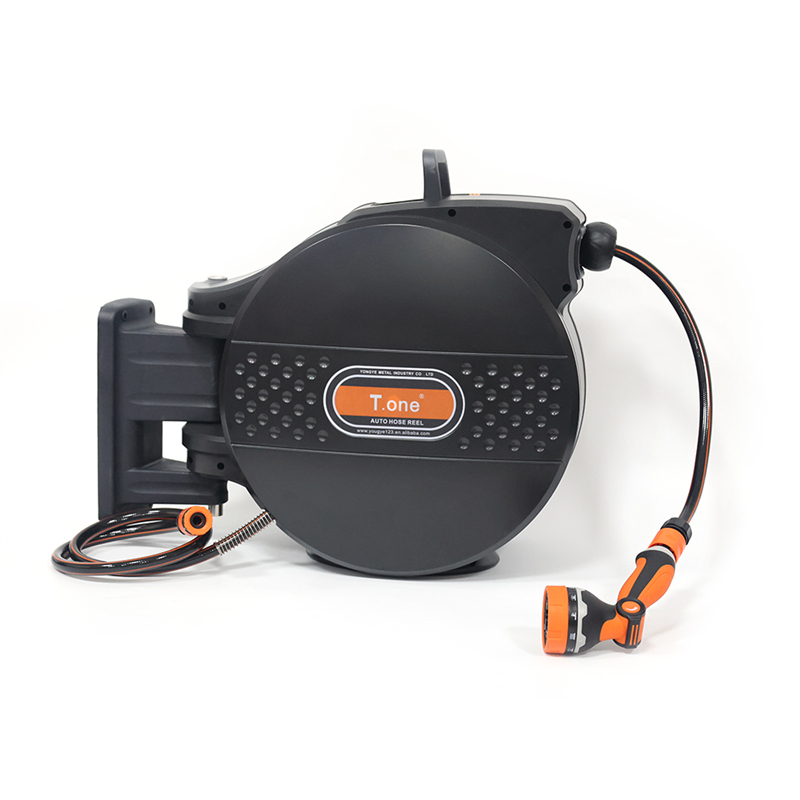
Comparing compressor hose and reel requires a methodical approach to evaluate features, specifications, and pricing effectively. Start by creating a checklist of critical specifications such as air capacity, maximum operating pressure, and hose length compatibility. Next, assess the build quality by reviewing the materials used and the design efficiency. For example, a compressor with a robust casing and reinforced connections will likely withstand more wear and tear than a model made from cheaper materials. Additionally, consider the manufacturer’s reputation and track record in the industry. Reviews and testimonials from other users can provide insights into performance and reliability. Price is often a significant factor in purchasing decisions; however, remember that the lowest price does not always equate to the best value. Look at the total cost factors in purchasing hose reel compressors of ownership, which includes maintenance, energy consumption, and potential downtime. Comparing warranties and service agreements can also help gauge the long-term value of different models.