EN


Heavy-duty extension cables are essential tools for industries requiring reliable power supply over longer distances. The heavy-duty 50m extension cable, in particular, is engineered to deliver superior performance in demanding environments. B2B buyers, such as purchasing managers and engineers, often have concerns regarding product specifications, installation challenges, and application suitability. This article will guide you through important purchasing considerations, key specifications, common installation issues, and practical applications of heavy-duty 50m extension cables to help you make an informed decision.
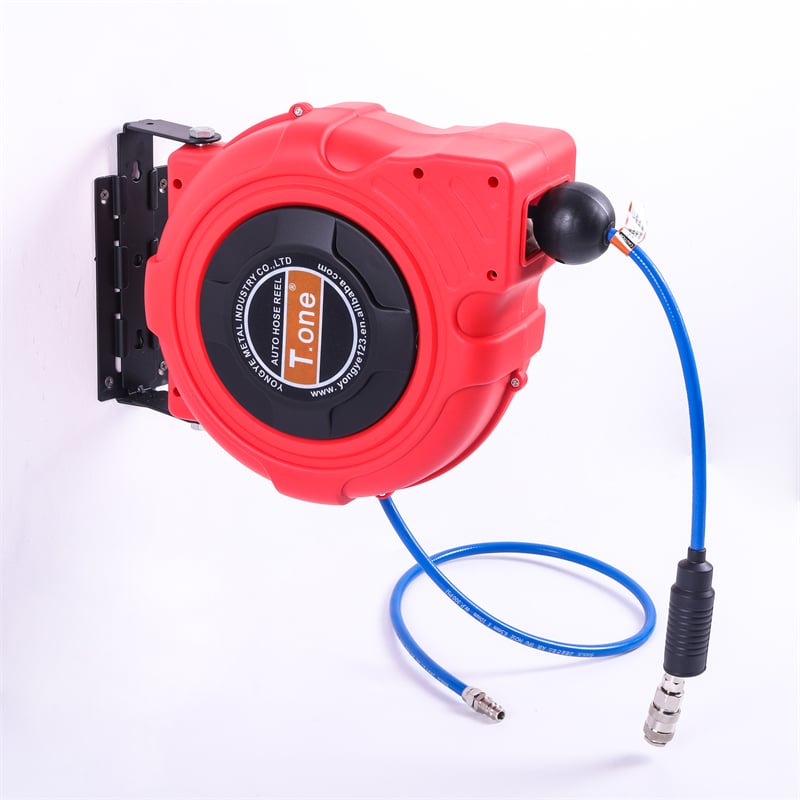
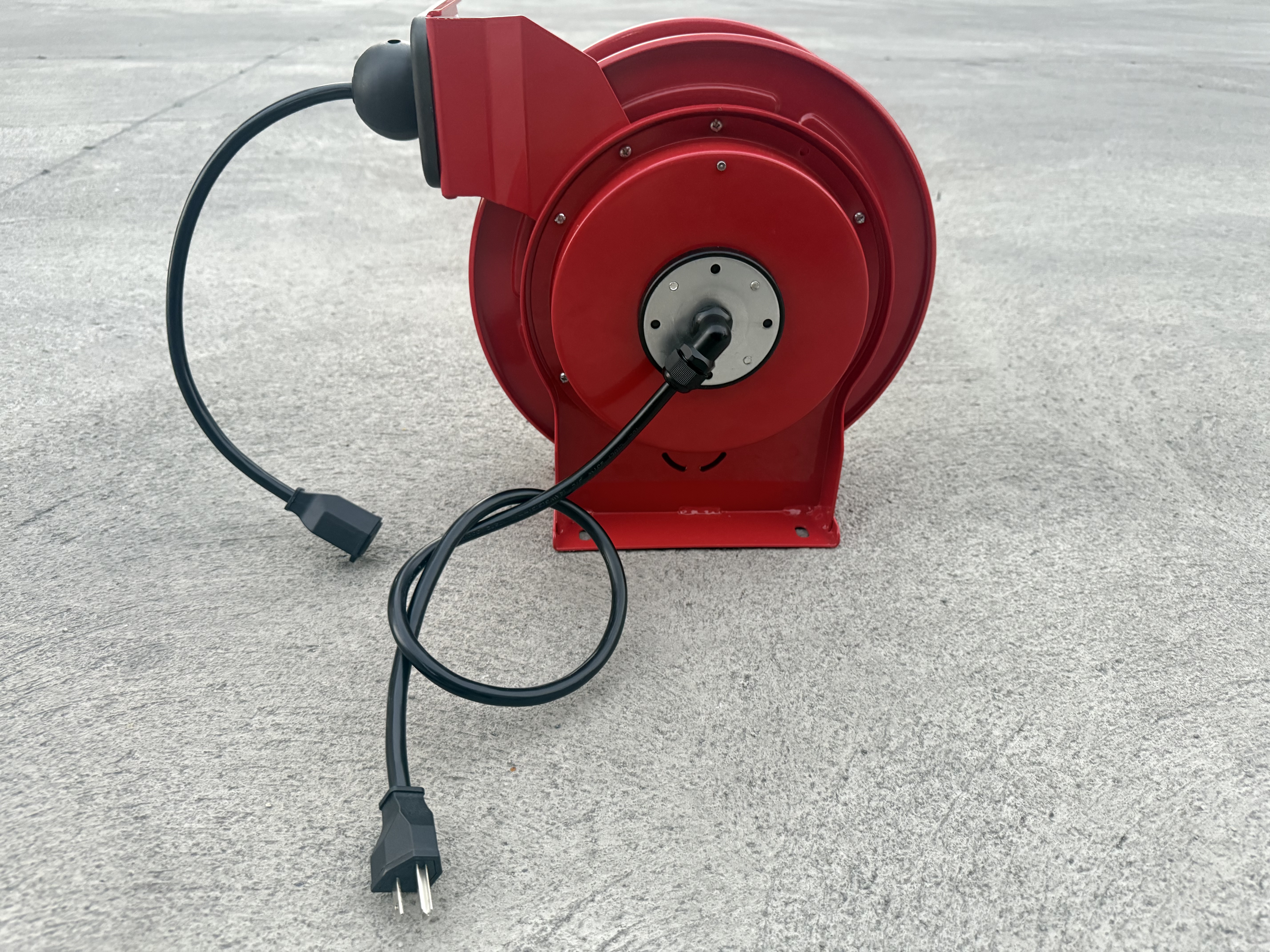
Key Specifications to Evaluate in Heavy Duty 50m Extension Cables
When evaluating heavy-duty 50m extension cables, several key specifications should be scrutinized to ensure the product meets your operational requirements:
Wire Gauge: The thickness of the wire affects load capacity. A lower gauge number indicates thicker wire, which can handle higher currents. For heavy-duty applications, a wire gauge of 10 to 12 AWG is typically recommended.
Voltage Rating: Confirm that the extension cable's voltage rating matches your equipment requirements. Common ratings include 230V for European markets and 120V for North America.
Insulation Material: High-quality PVC or rubber insulation is preferable for durability and resistance to environmental factors such as moisture and chemicals.
Plug and Socket Design: Ensure the connectors are compatible with your equipment. Heavy-duty plugs often feature strain relief and are designed for frequent connection and disconnection.
Temperature Rating: Evaluate the operating temperature range of the cable. Heavy-duty cables should perform reliably in extreme conditions, often rated from -20°C to +60°C.
Understanding these specifications is crucial; choosing the wrong gauge or insulation material can lead to equipment failure or safety hazards.