EN


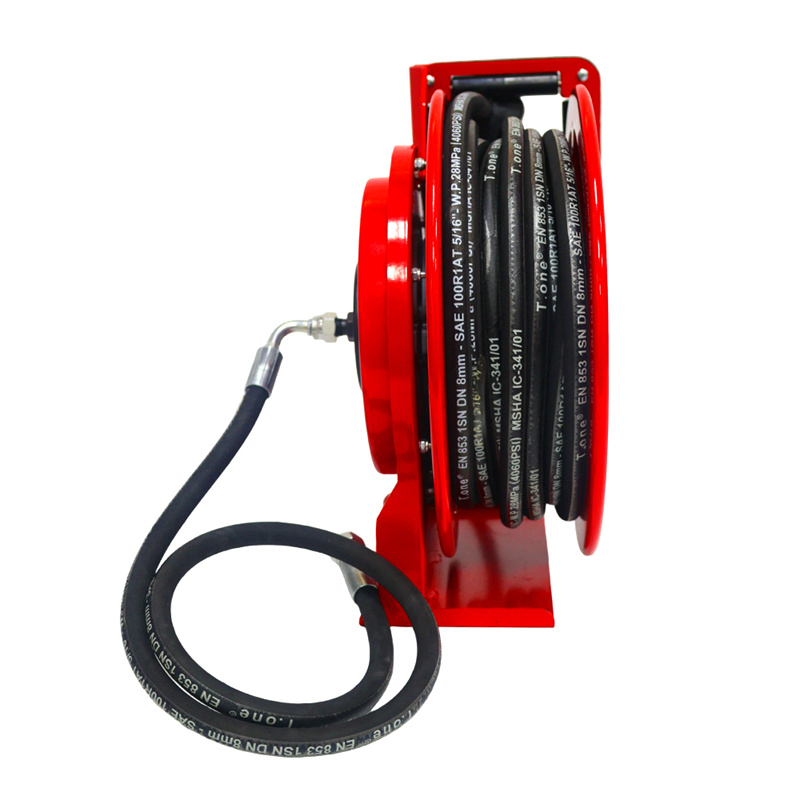
Free standing hose reels are essential tools for efficient organization and management of hoses in various settings, from industrial sites to commercial gardens. As a B2B buyer, it’s crucial to understand the specifications, applications, and potential issues associated with these products to make informed purchasing decisions. This article aims to guide purchasing managers, engineers, and product managers through the essential considerations when selecting a free standing hose reel, ensuring that the chosen product meets both operational needs and quality standards.
Comparing Free Standing Hose Reel Specifications for Optimal Performance
When evaluating free standing hose reels, focus on several key specifications:
Material: The construction material, whether plastic or metal, affects durability and suitability for various environments. Metal reels typically offer greater strength and longevity, while plastic reels are lighter and often more affordable.
Capacity: The maximum hose length and diameter the reel can accommodate is critical. Ensure it matches your current hose's specifications.
Reel Dimensions: The physical size of the reel is important for space considerations, especially in confined areas. Measure the intended location to ensure a proper fit.
Weight: A heavier reel may provide stability but could be cumbersome to move. Lighter options are easier to transport but may lack sturdiness.
Retrieval Mechanism: Look for features like automatic rewind or manual cranks, which affect ease of use and maintenance.
Understanding these specifications will help ensure you select a hose reel that meets your operational requirements while providing long-term reliability.