EN


Flat hose reels are essential tools designed for efficient storage and deployment of hoses in various applications, from gardening and landscaping to industrial cleaning and maintenance. For purchasing managers and procurement specialists, understanding the quality and functionality of flat hose reels is crucial. This article will guide you through evaluating their quality, addressing common installation issues, assessing cost factors, exploring their applications across industries, and highlighting key features and benefits that should influence your buying decision.
Common Installation Issues with Flat Hose Reels and Solutions
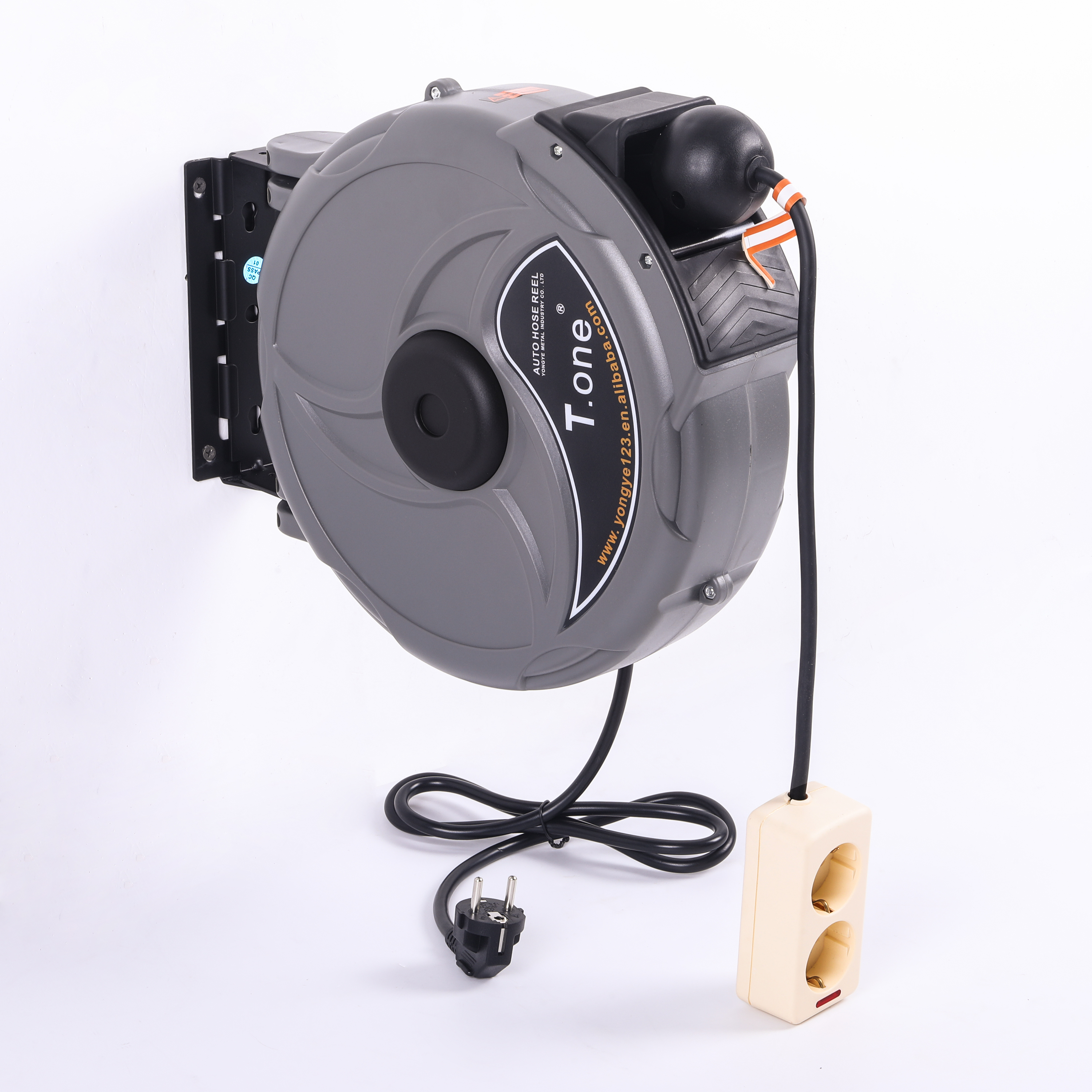
Installation of flat hose reels can sometimes present challenges that may affect their performance. One common issue is improper mounting, which can lead to instability during use. To mitigate this, ensure that the installation surface is solid and level. Using appropriate fasteners and brackets designed for the specific weight and size of the hose reel is crucial.
Another frequent problem is hose kinking or tangling during retraction. This can often be resolved by ensuring the hose is positioned correctly on the reel and that the reel is compatible with the hose diameter. It’s advisable to follow the manufacturer's installation guidelines closely and perform a test run before full deployment to confirm that the system operates smoothly.
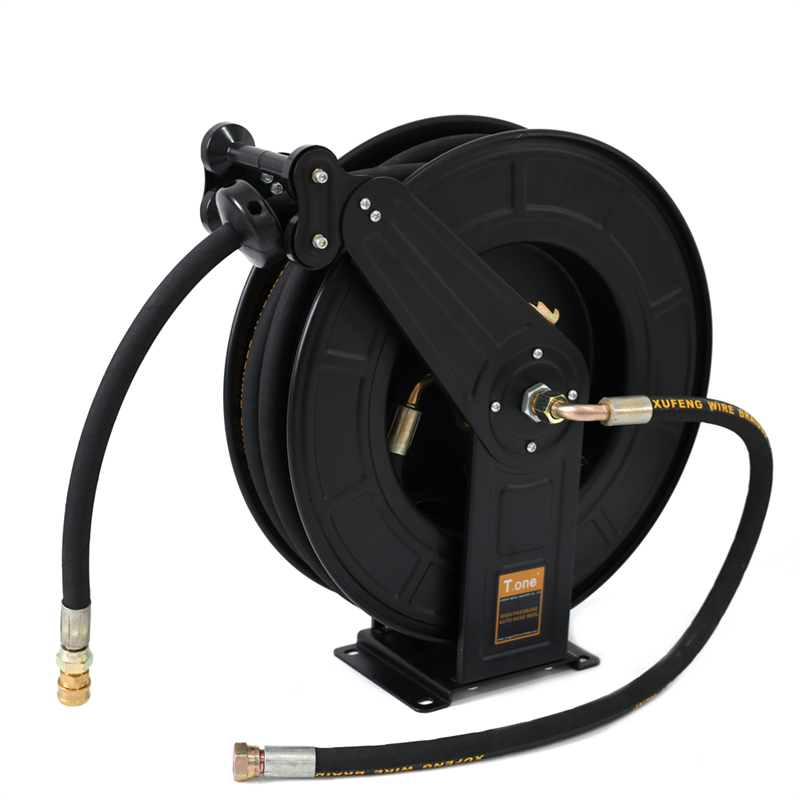
Lastly, regular maintenance checks can prevent installation-related issues. This includes inspecting the mounting hardware for wear and ensuring the hose remains free of blockages. By addressing these potential problems early, you can enhance the longevity and efficiency of your flat hose reel. Considering options like a Air Hose Reel might also be beneficial for your operations.