EN


Cord winders are essential tools used to organize and manage cables, cords, and wires efficiently. In the manufacturing and industrial sectors, these devices help streamline operations, prevent tangling, and enhance safety by reducing tripping hazards. When considering the purchase of cord winders, B2B buyers often prioritize product durability, material quality, and customization options. This article will provide insights into key specifications to consider, sourcing high-quality options, manufacturing materials, best practices for contractors, and common issues along with their solutions.
How to Evaluate the Quality of Cord Winders for Bulk Orders
Sourcing high-quality cord winders involves identifying reliable suppliers who can meet your specific requirements. Here are some tips for finding the right manufacturers:
Industry Research: Utilize industry directories, trade shows, and online platforms to identify potential suppliers. Look for manufacturers with a strong reputation in the market, particularly those that specialize in industrial tools and accessories.
Supplier Evaluation: Assess suppliers based on their manufacturing capabilities, product range, and customer reviews. It’s crucial to evaluate their experience in producing cord winders to ensure they meet your quality standards.
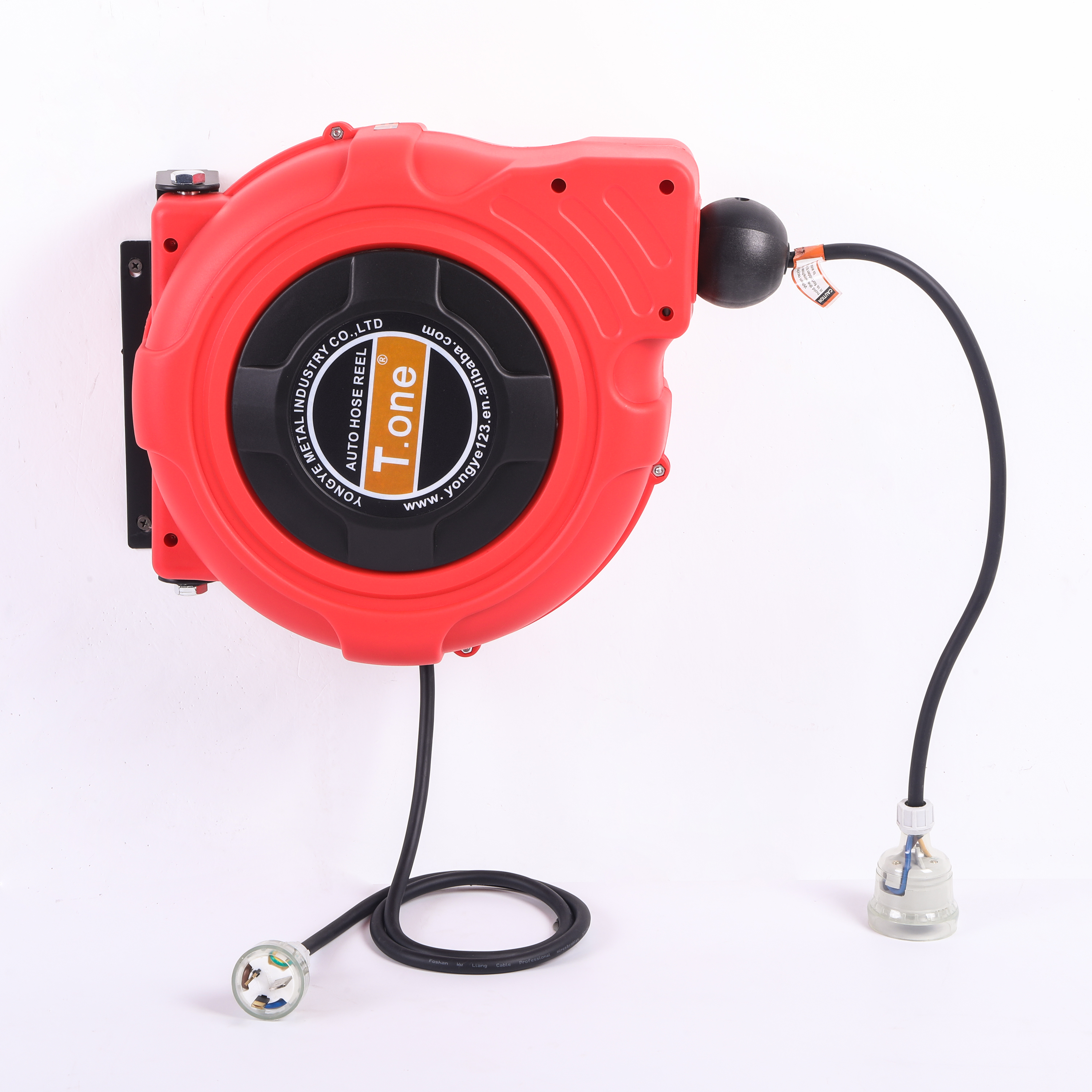
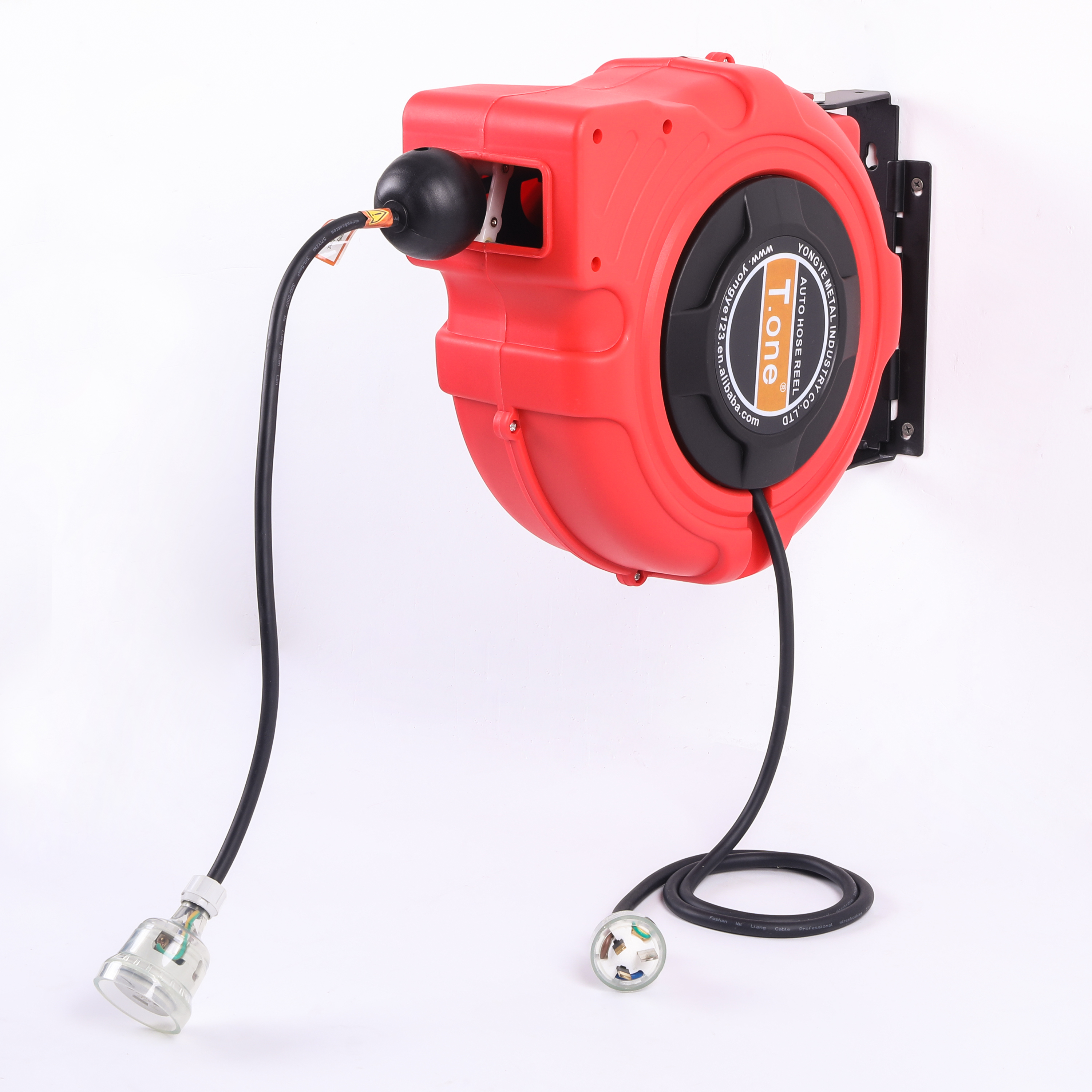
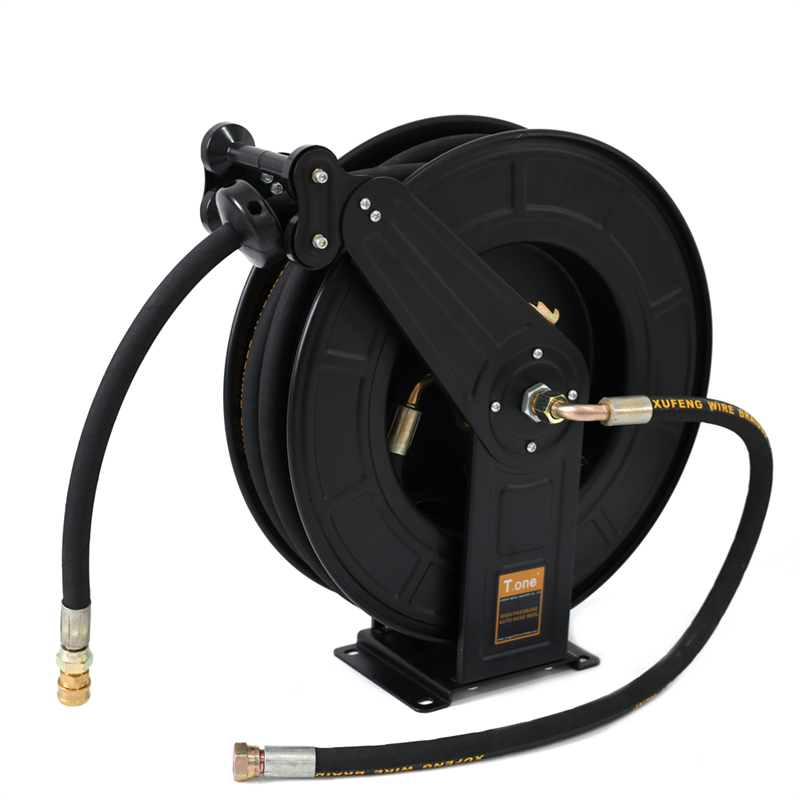
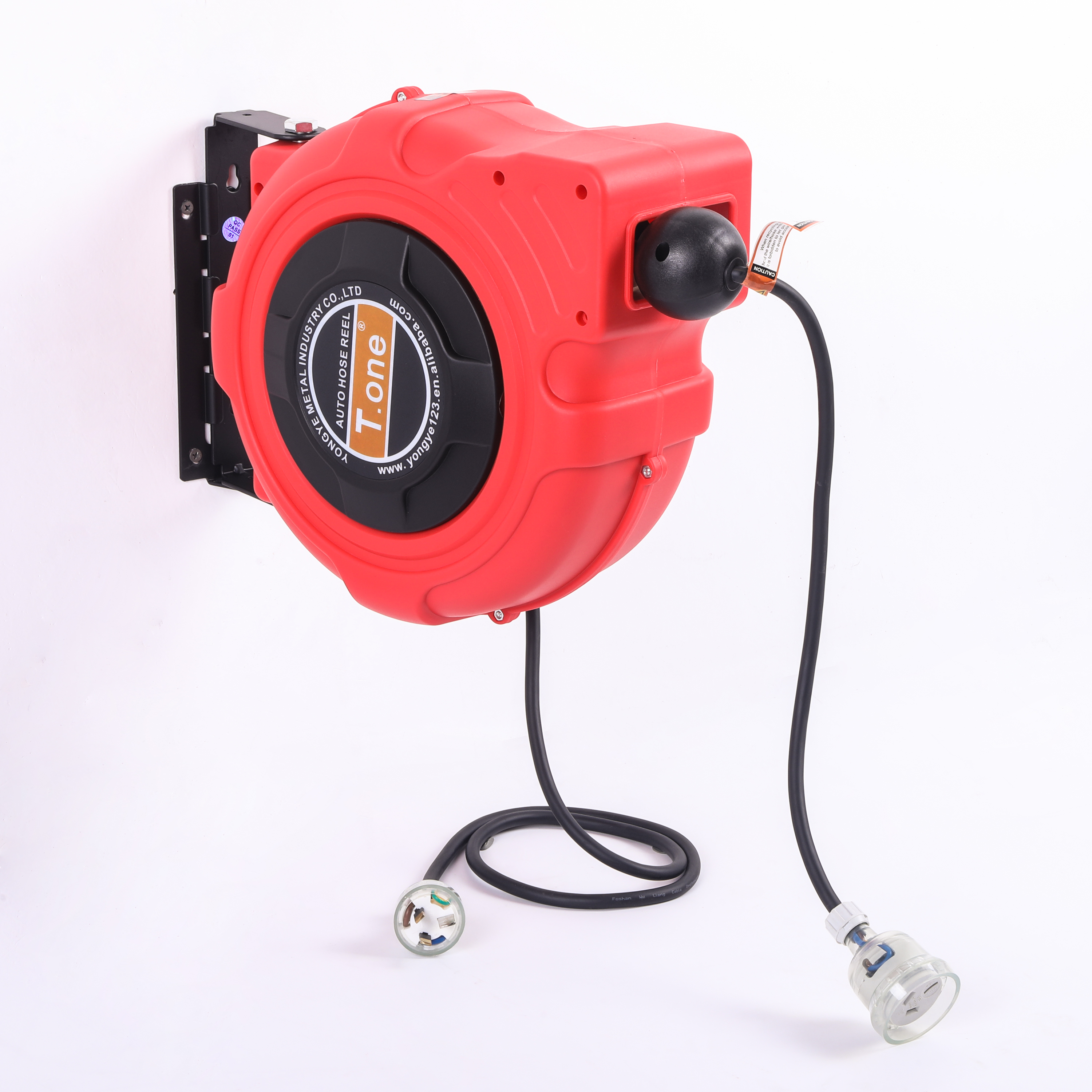
Customization Options: Inquire about customization capabilities. Many manufacturers, like YONGYE Metal Industrial Co., Ltd., can tailor products to meet specific needs, whether in size, color, or additional features. For example, a 100ft Automatic Water Garden Hose Reel can be a great option for those seeking customized solutions.
Request Samples: Before placing large orders, request samples to evaluate the product quality and performance. This step will help prevent potential issues during mass production.
Certifications: Check for quality certifications that demonstrate compliance with industry standards. Certifications can provide assurance regarding the manufacturing processes and material quality.