EN


When selecting a cable reel manufacturer, it’s crucial to understand the specific needs of your project. Cable reels are essential for organizing, storing, and transporting electrical cables in various industrial applications. This article will delve into the important factors to consider when choosing a cable reel, including key specifications, quality control processes, cost considerations, and the benefits of high-quality materials. By understanding these elements, purchasing managers, engineers, and product managers can make informed decisions that align with their operational requirements.
Key Specifications to Evaluate When Sourcing Cable Reels
When sourcing cable reels, several key specifications are crucial to ensure the product meets your operational needs:
Load Capacity: This refers to the maximum weight the cable reel can safely hold. It is essential to choose a reel that can support the weight of the cables without risk of failure.
Reel Dimensions: The diameter and width of the reel determine how much cable can be wound onto it. Ensure that the dimensions align with both the cable length and the storage space available.
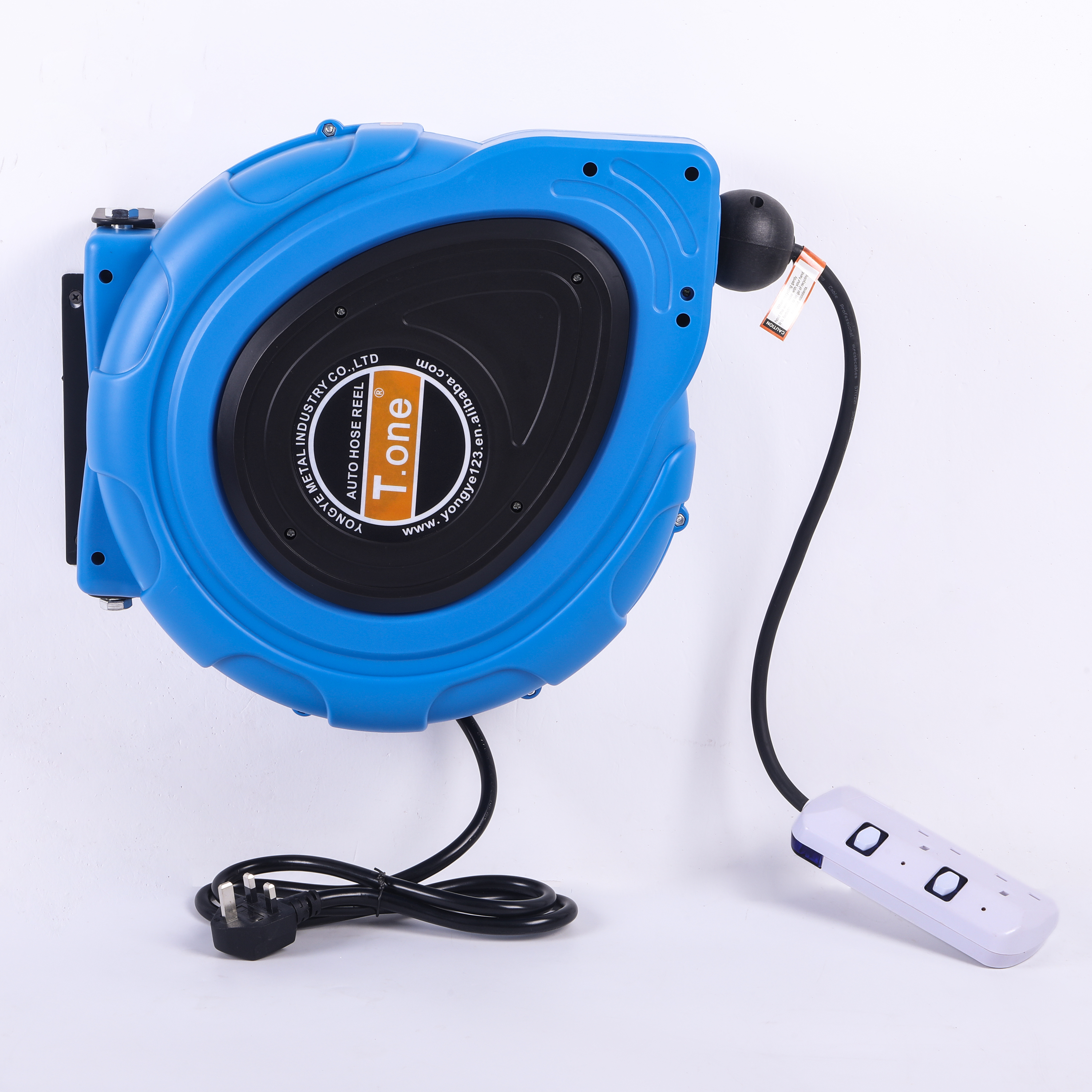
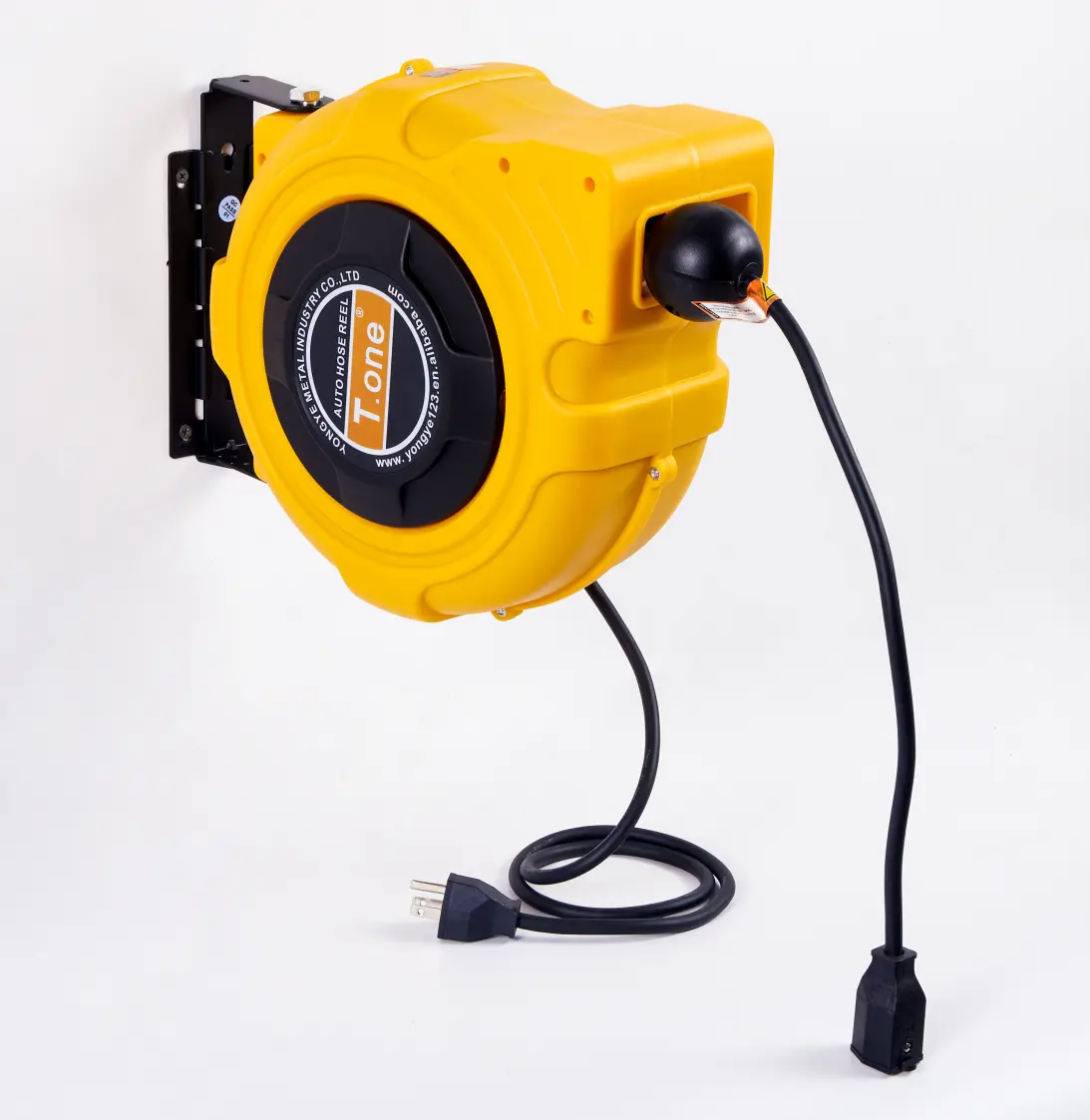
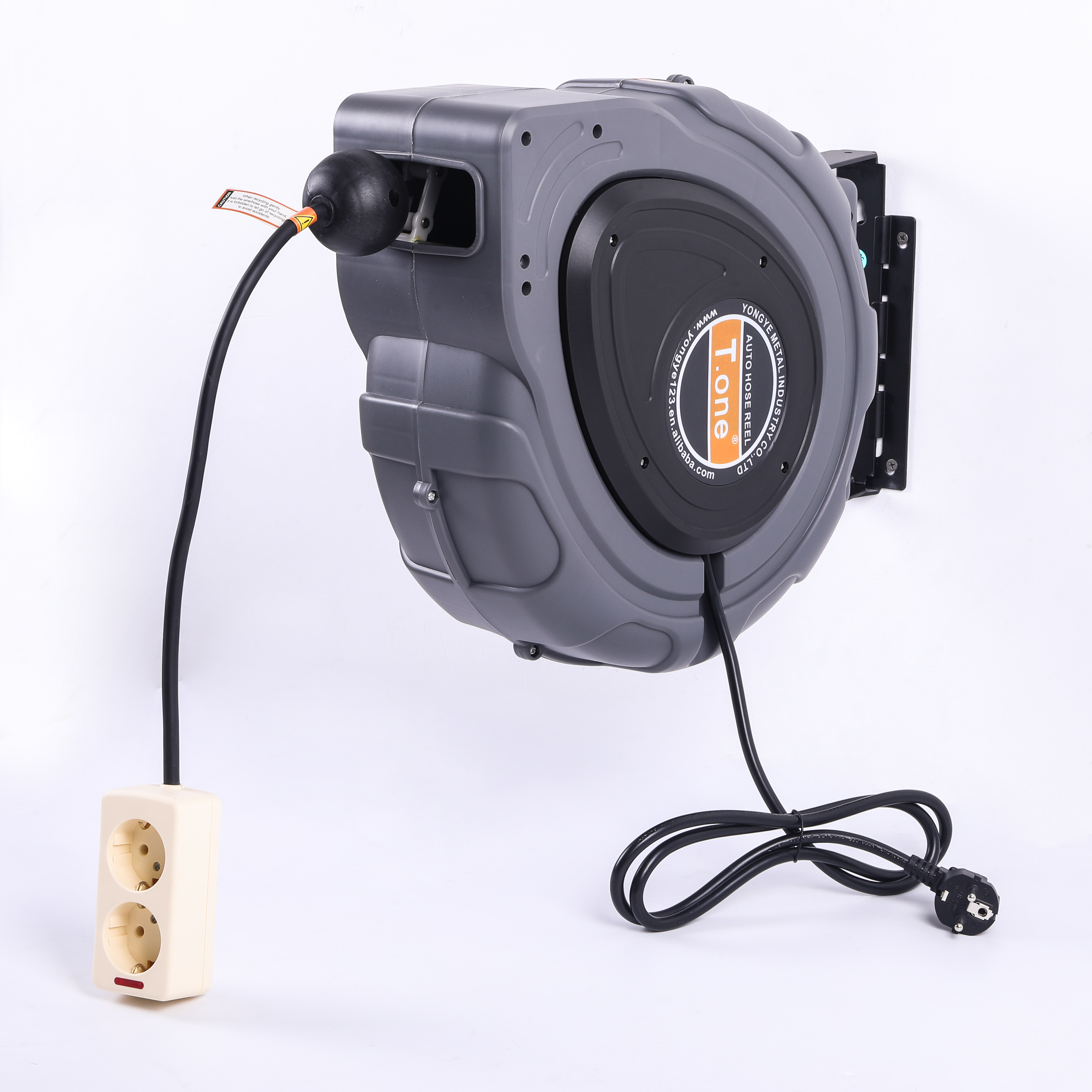
Material Construction: Cable reels are typically made from materials such as plastic, metal, or a combination of both. Each material has its advantages—metal reels may offer greater durability and strength, while plastic reels can be lighter and more portable. For instance, 100ft Automatic Water Garden Hose Reel Supplier provides robust options for various needs.
Drum Design: Different drum designs can affect how easily cables are unwound and rewound. Consider whether a free-spooling design or a fixed drum is better suited for your operations.
Electrical Ratings: For electrical applications, ensure that the reel meets the necessary voltage and current ratings for safe operation.
Confirming these specifications with the manufacturer before placing an order will help avoid compatibility issues down the line.