EN


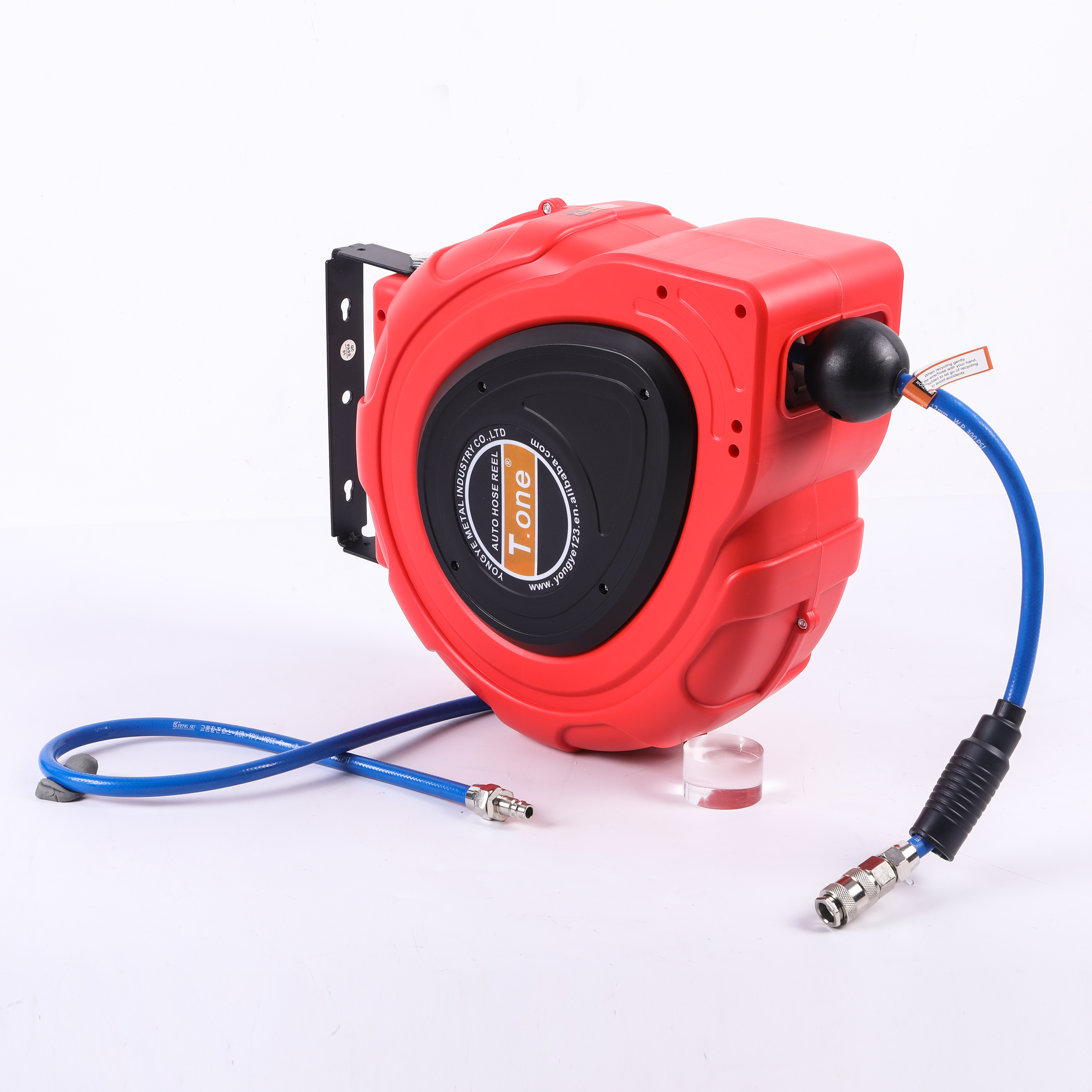
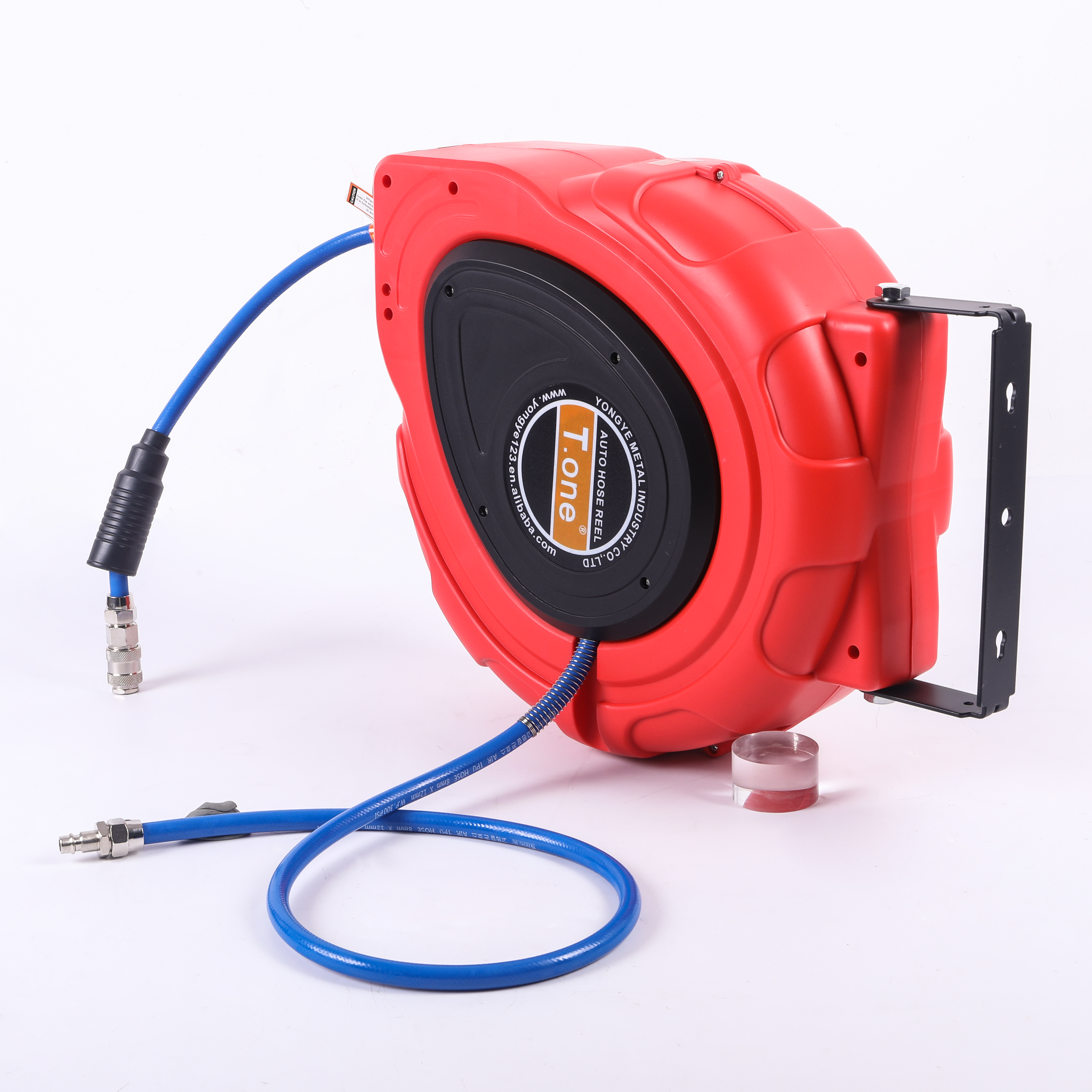
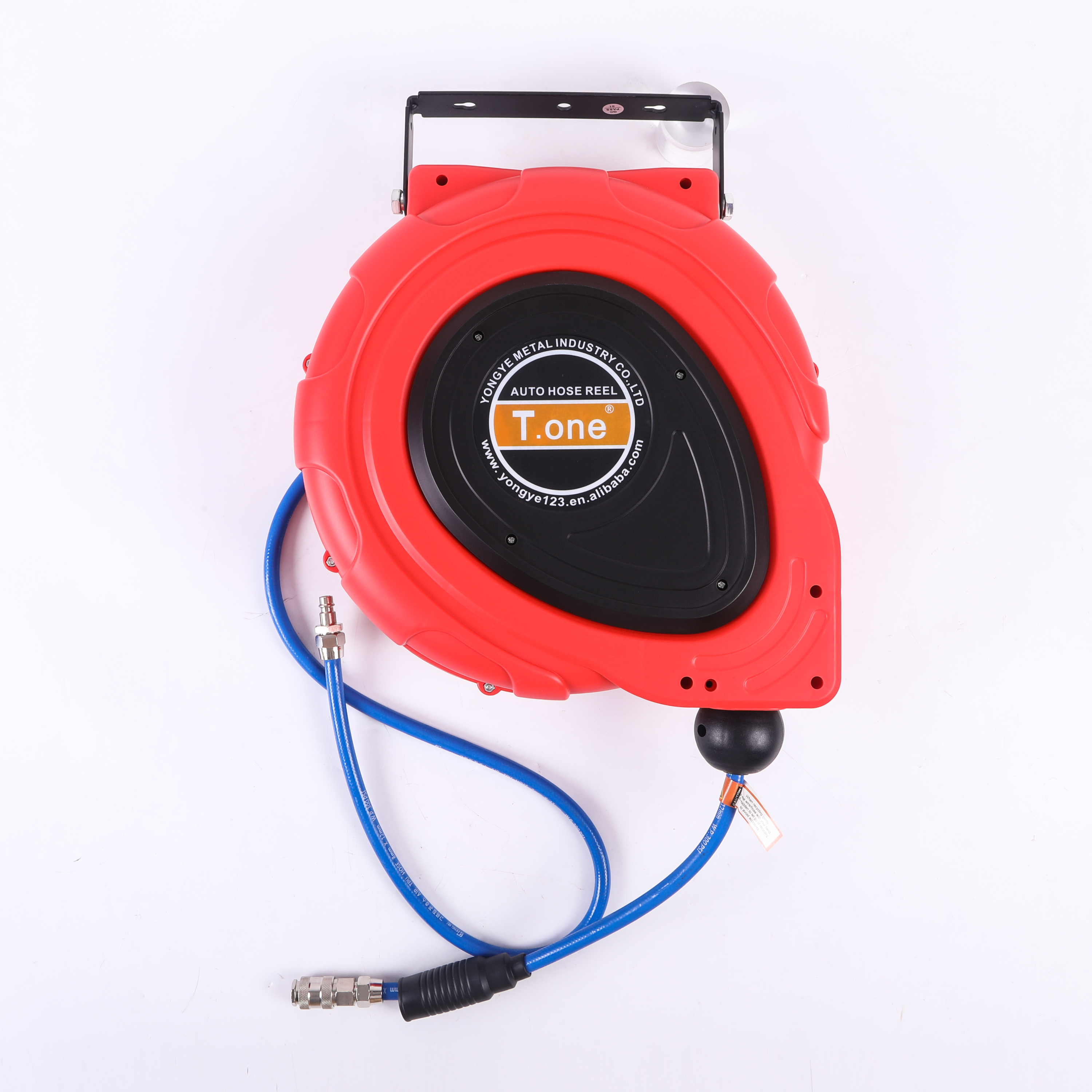
Automatic hose retractors are essential tools designed to streamline the process of managing hoses in various commercial and industrial settings. These devices automatically wind up hoses after use, helping to prevent tangling, wear, and damage while promoting safety and efficiency. For purchasing managers and engineers, selecting the right automatic hose retractor can raise several concerns, including specifications, applications, and cost. This article will provide insights into choosing the best automatic hose retractor for your business needs, along with key specifications to evaluate, wholesale purchasing options, cost factors, and applications across different industries.
Key Specifications to Evaluate in Automatic Hose Retractors
When assessing automatic hose retractors, several specifications should be prioritized to ensure optimal performance:
Hose Length and Diameter: Evaluate the maximum hose length and diameter supported by the retractor. Ensure it matches the requirements of your specific application to prevent overloading or underutilization.
Material Construction: The materials used in the retractor will affect its durability and resistance to environmental factors. Look for models constructed from robust materials such as high-grade plastics or metals that can withstand wear and tear.
Retracting Mechanism: The type of retracting mechanism (e.g., spring-loaded, motorized, etc.) will influence the ease of use and reliability. Spring-loaded mechanisms often provide a more manual approach, while motorized options offer automated convenience.
Weight Capacity: Ensure the retractor can handle the weight of the hose, including any additional accessories or attachments that may be in use.
Safety Features: Check for features such as emergency brakes or locking mechanisms that can enhance safety during operation.
Warranty and Certifications: Look for products that come with warranties and relevant industry certifications, indicating compliance with safety and quality standards.
By understanding these key specifications, you can make a more informed decision that aligns with your operational needs.