EN


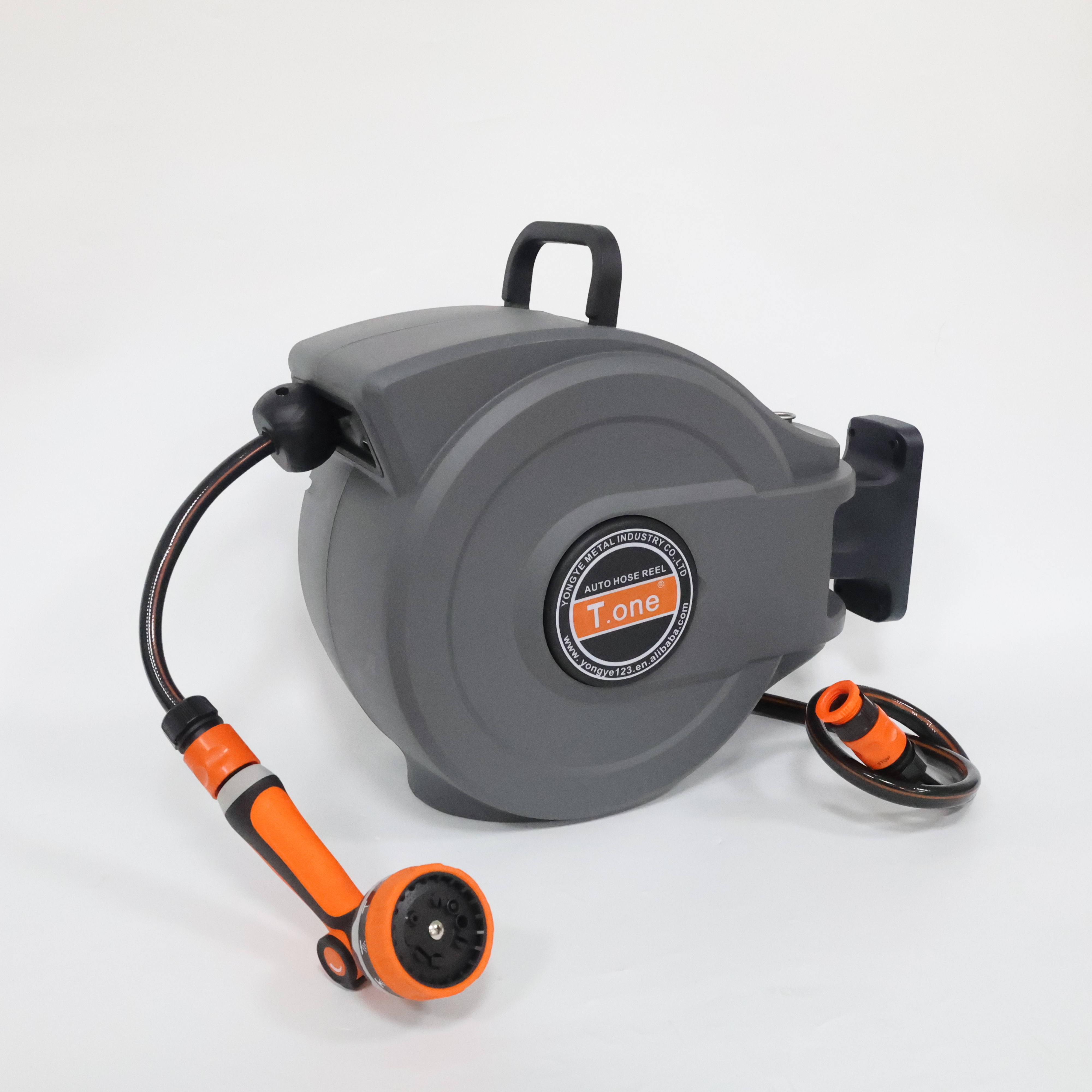
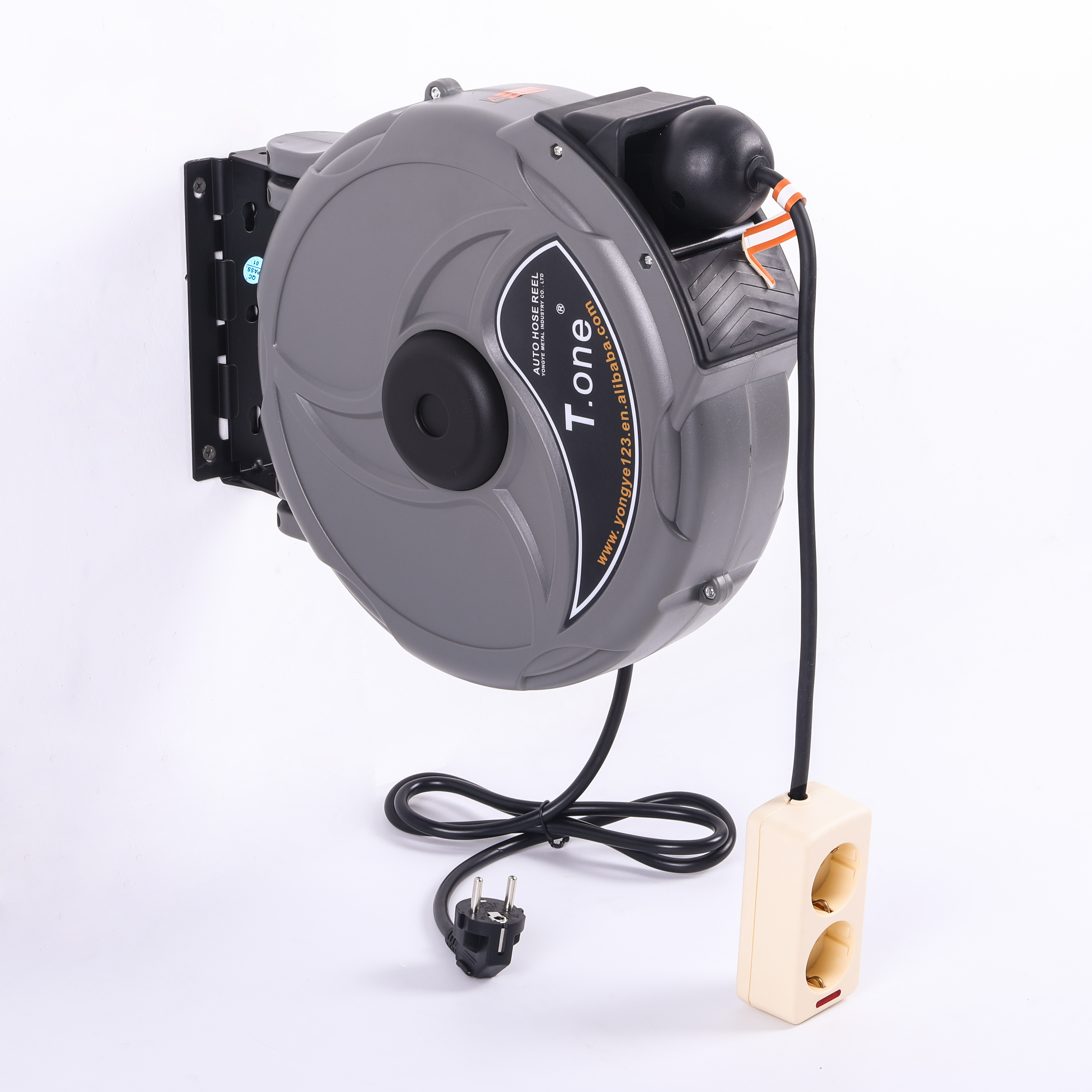
Auto hose reels are essential tools for efficiently managing hoses in various industrial and commercial settings. They provide a practical solution to the common issues of tangled hoses and inefficient storage. When purchasing an auto hose reel, buyers often have concerns regarding quality, durability, and compatibility with existing systems. This article will explore sourcing options, key specifications to evaluate, quality control processes, practical tips for contractors, and common issues associated with auto hose reels, helping buyers make informed decisions.
Key Specifications to Evaluate When Purchasing Auto Hose Reels
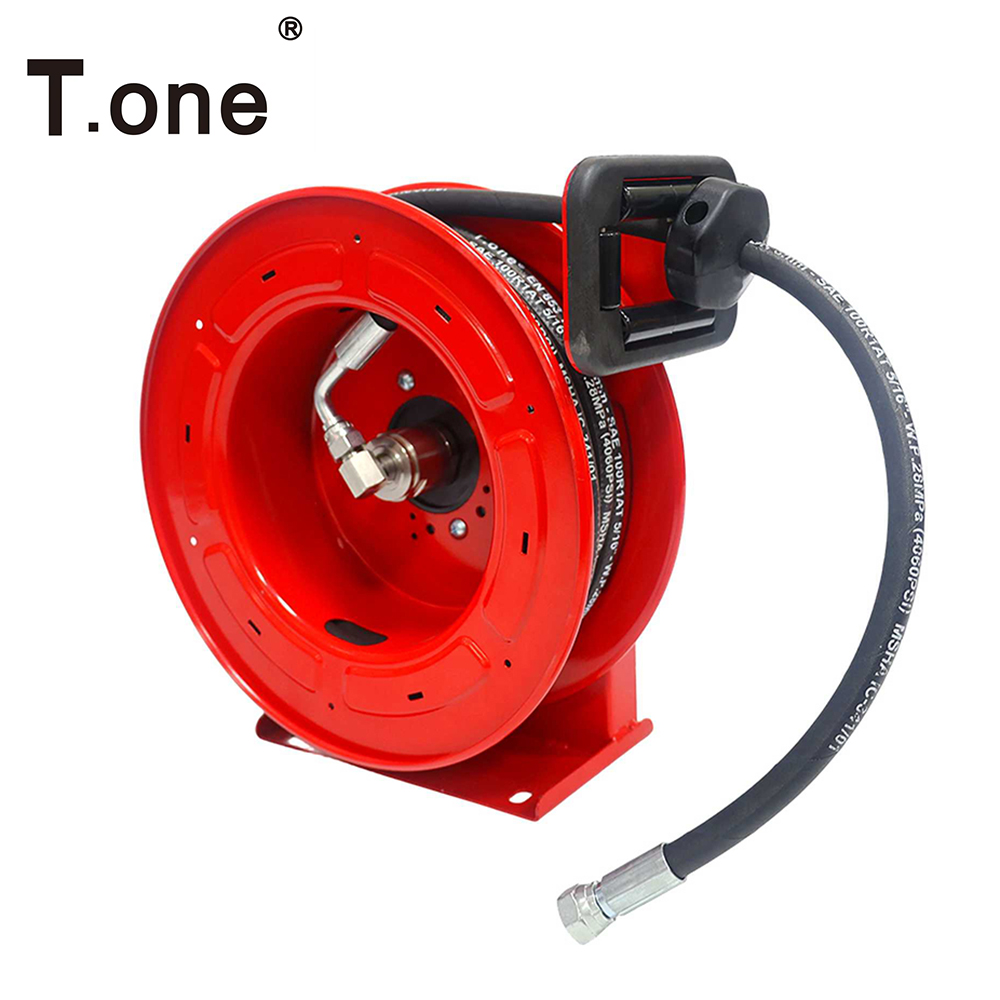
Several key specifications should be scrutinized when selecting an auto hose reel for your application.
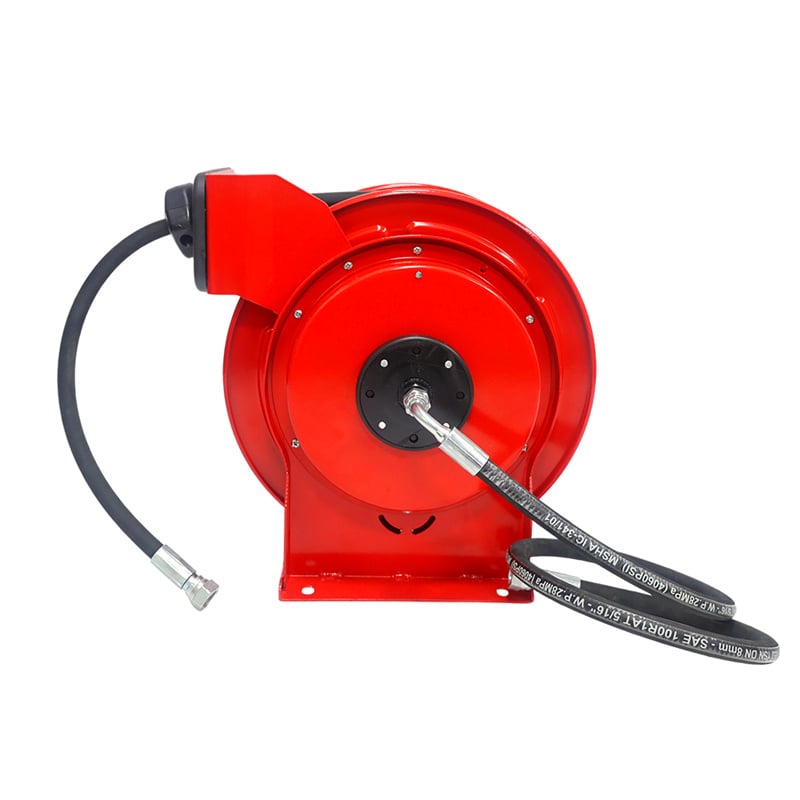
Material: The material affects durability, corrosion resistance, and overall performance. For example, metal reels typically offer higher durability compared to plastic ones but may require additional weight considerations.
Hose Length and Diameter: Ensure the reel can accommodate the intended hose size and length. This is crucial for efficient operation and preventing kinks or damage to the hose.
Rewind Mechanism: Evaluate the type of rewind mechanism—manual versus automatic. Automatic reels often feature spring-loaded or pneumatic systems that improve convenience but may require more maintenance.
Mounting Options: Check whether the reel is designed for wall, floor, or ceiling mounting to ensure it fits well into your workspace.
Pressure Rating: If the hose will be used in high-pressure applications, confirm that the reel can handle the required pressure levels without risk of failure.
Understanding these specifications will help buyers select a hose reel that meets their operational needs and enhances productivity. For instance, exploring options like the 100ft Automatic Water Garden Hose Reel can provide additional insights into high-pressure capabilities.