EN


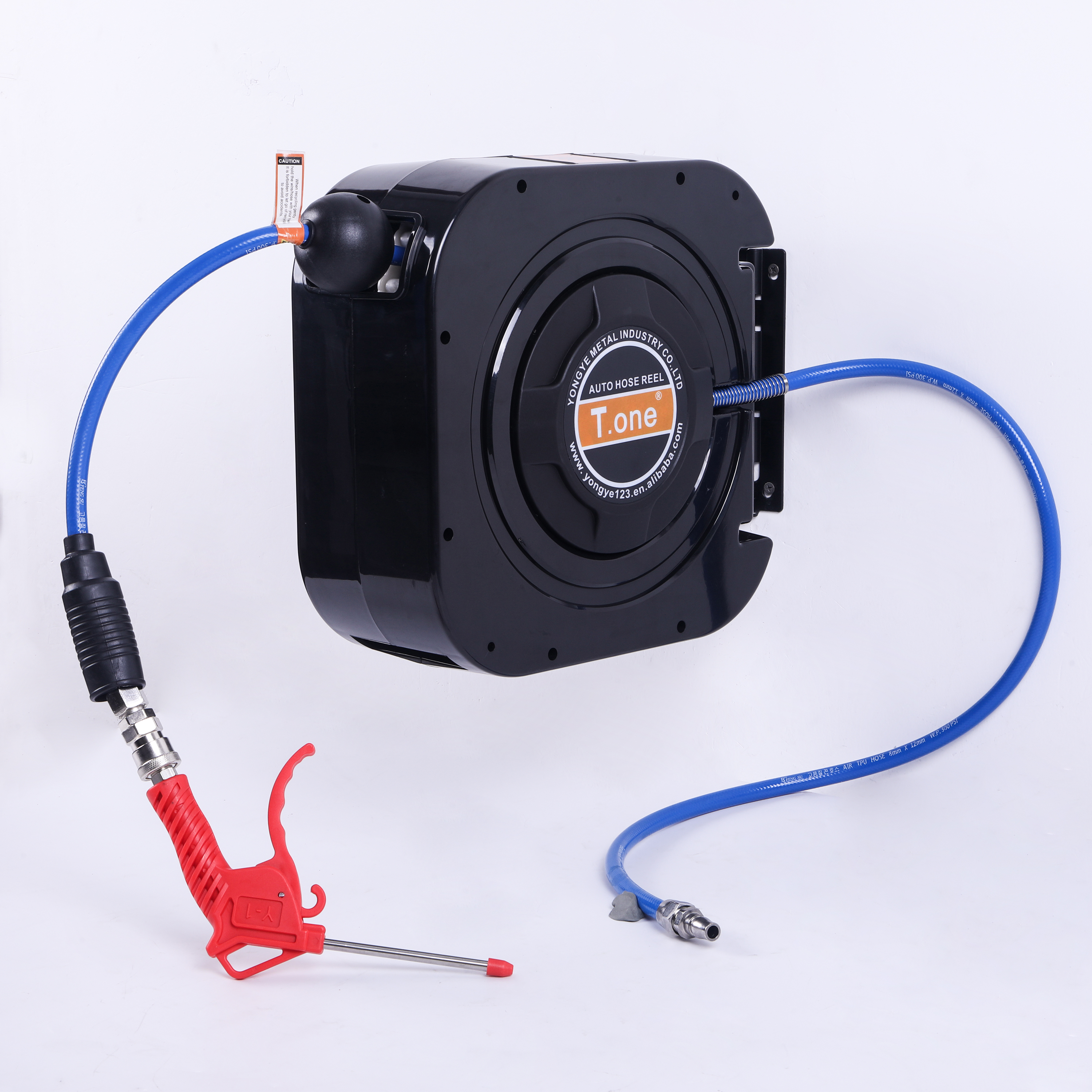
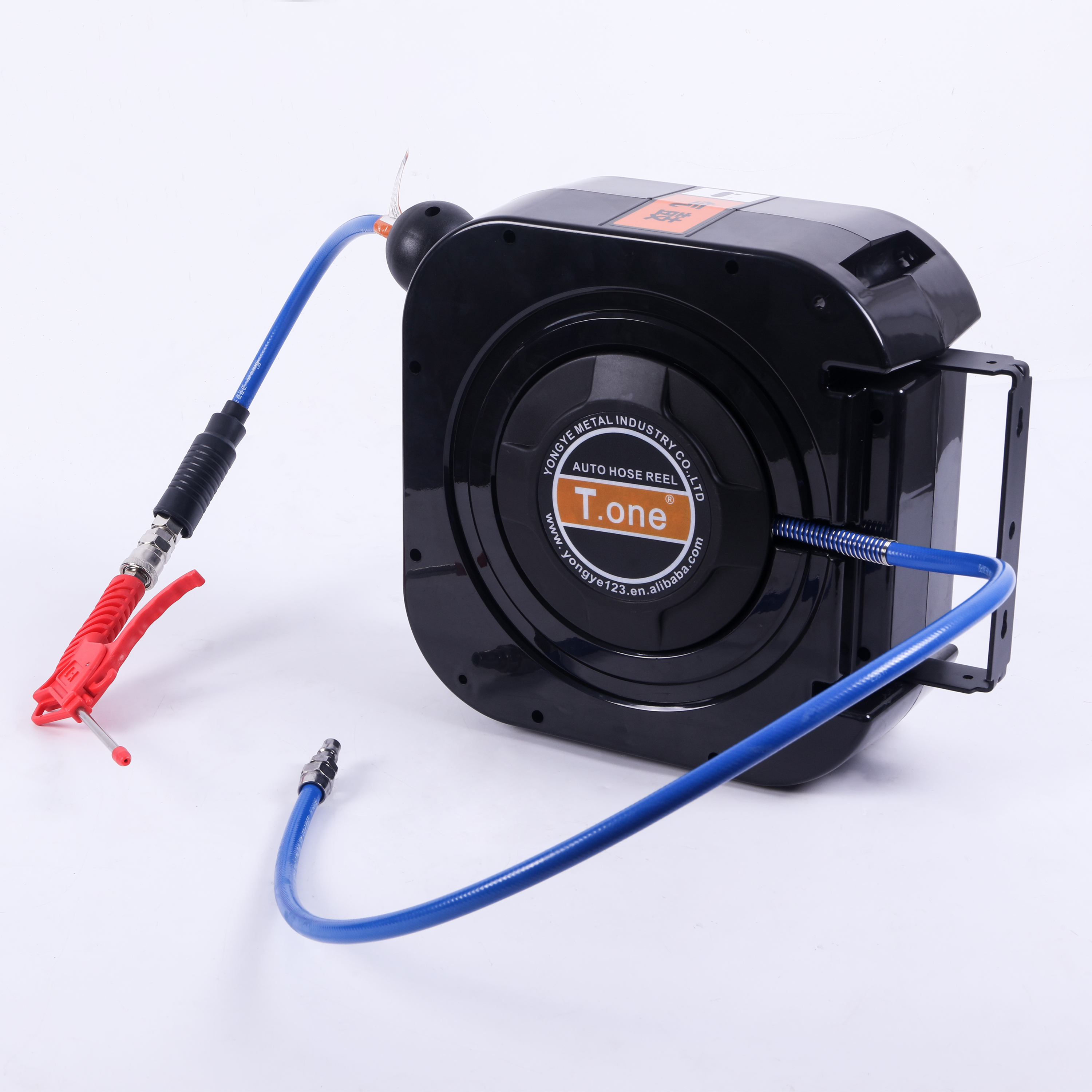
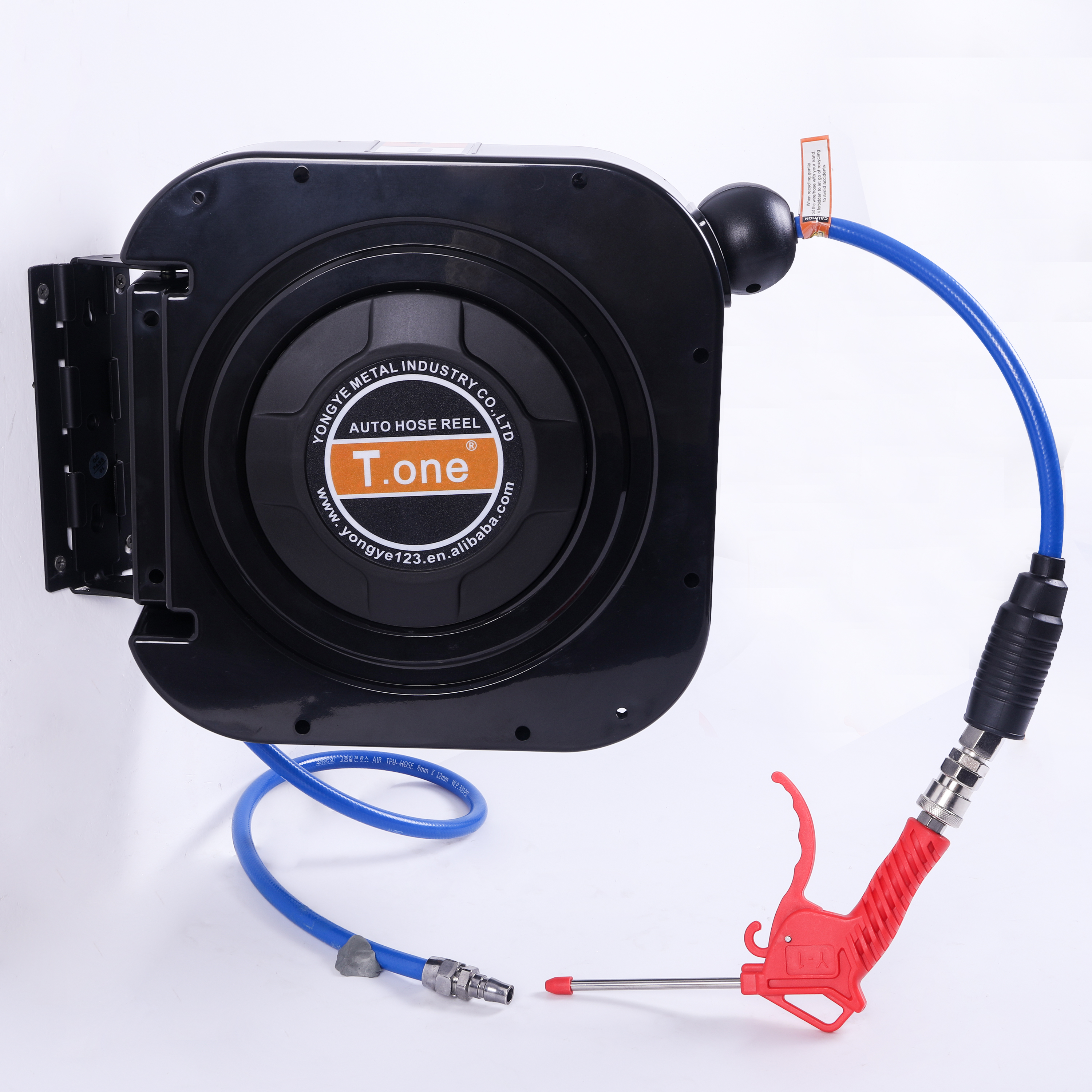
Air hose coilers are essential tools designed to neatly store and manage air hoses, preventing tangles and extending the lifespan of the hoses. For B2B buyers, such as purchasing managers and contractors, the main concerns often revolve around durability, efficiency, and cost-effectiveness. This article will guide you through the key considerations when selecting an air hose coiler, provide practical tips for contractors, address common problems and solutions, and explore the applications of air hose coilers across various industries.
A Buyer's Guide
When selecting an air hose coiler, several specifications should be considered to ensure the product meets your operational requirements:
Material: The construction material affects durability and resistance to environmental factors. Common materials include high-density plastic and metal, each offering different advantages in terms of weight, strength, and resistance to wear.
Size and Capacity: Assess the dimensions and capacity of the coiler to ensure it can accommodate your specific air hose sizes. A coiler that is too small may lead to improper storage, while an oversized unit may take up unnecessary space.
Ease of Use: Consider features such as automatic winding mechanisms or manual cranks. Tools that simplify operation can enhance productivity and reduce labor costs.
Quality Assurance: Ensure the supplier has a robust quality control system in place. Certifications and compliance with industry standards can indicate a reliable product.
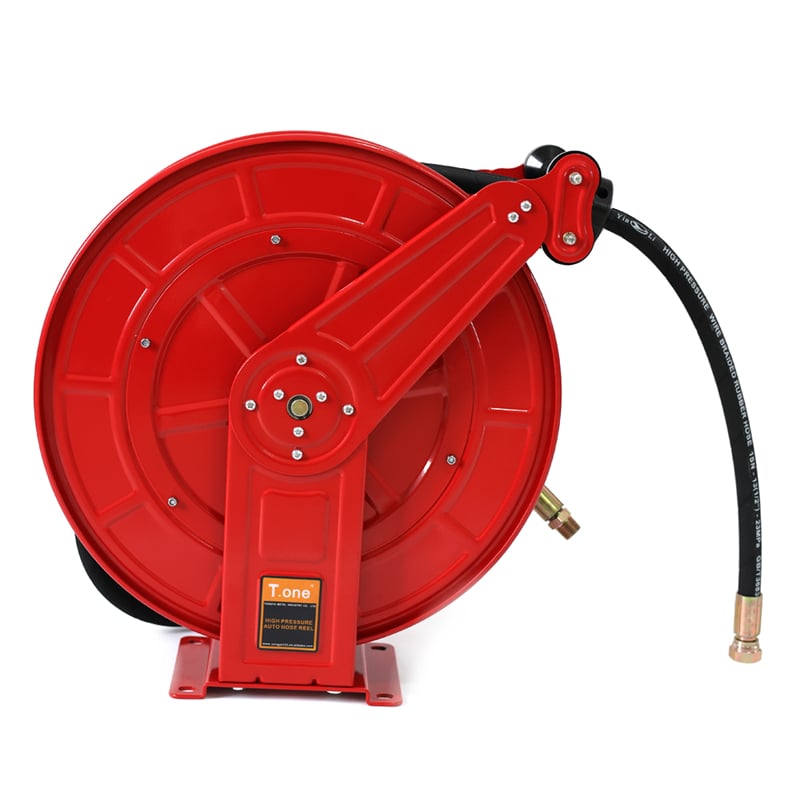
Customization Options: If your application has unique requirements, check whether the manufacturer can provide customized solutions, such as specific dimensions or branding options. For example, if you require a High pressure hose reel, ensure the supplier can accommodate this need.
Before making a purchase, gather all relevant information, including the intended application, required specifications, and any potential customization needs, to facilitate a smooth RFQ process.